The success of strawberry cultivation largely depends on the quality of the seedlings. Good seedlings are practically a guarantee of a bountiful harvest. So how are strawberry seedlings cultivated? Let's take a look.
1. How are strawberry seedlings cultivated?
1. Seed propagation method
This method is quite straightforward; it involves sowing strawberry seeds to obtain seedlings. However, the seedling survival rate is very low, and it's prone to phenotypic variations, so it's generally not used in production. Seed propagation should only be used as a last resort.
2. Propagation by division of mother plant
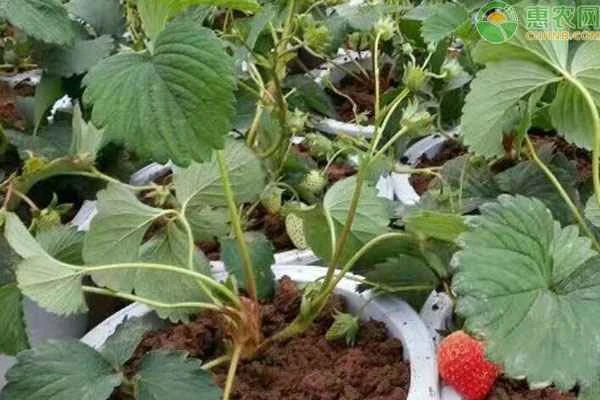
This method, also known as strawberry rhizome propagation, is generally used in strawberry varieties that do not develop runners. After harvesting the strawberries, strengthen the management of the mother plant by timely cultivating, watering, and fertilizing to promote the early growth of new stems and branches. Once the new stems have developed roots, dig up the entire mother plant, cut off the lower, aging rhizomes and black adventitious roots, and select plants that have grown 3-5 leaves and healthy root systems for transplanting.
3. Propagation by cuttings
This propagation method is quite simple, but it is temperature-dependent and is generally more commonly used during the hot summer months. The method involves planting runners with few or no roots, or leaf clusters that have not yet developed into seedlings, in soil or water to promote growth, root development, and eventually cultivate them into independent seedlings. To create a humid, warm, and suitable environment, cuttings can be taken inside a small arched greenhouse. Inside the greenhouse, it is important to maintain warmth, humidity, and a suitable temperature.
4. Runner propagation method
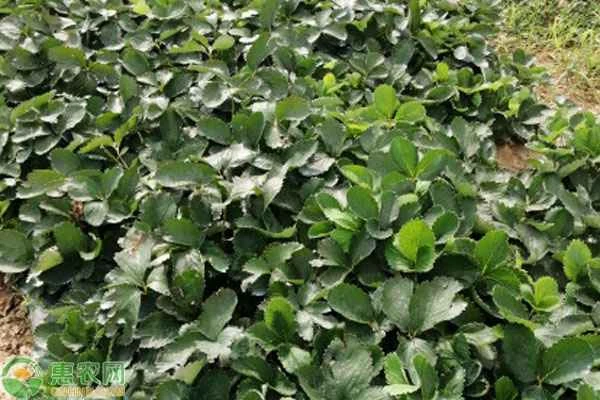
Runners are the main reproductive organs of strawberries, and we can utilize this characteristic for propagation. Strawberries produce a large number of runners in the same year, and we use the offshoots growing on these runners for propagation. Using runners to propagate strawberry seedlings has the advantages of fast propagation speed, good seedling quality, simple operation, and high propagation coefficient.
II. Factors affecting the number of strawberry runners
Only with a sufficient number of runners can we ensure the propagation of a large number of strawberry seedlings; the number of strawberry runners is affected by factors such as variety, temperature, light, soil moisture and hormones, and the number of runners will vary depending on the level of each factor.
1. Varieties
Different varieties have varying abilities to produce runners, and the number of strawberry runners is greatly influenced by the variety's own genetic factors. Varieties that are insensitive to light or bear fruit year-round produce fewer runners, while uni-fruiting varieties produce more runners.
2. Temperature and light
Generally, stolons will develop when the temperature is around 10-20 degrees Celsius and the light exposure time is greater than 12 hours, with rapid increase in stolon production after more than 16 hours. However, at lower temperatures, such as below 10 degrees Celsius, even with longer light exposure, stolons rarely develop. On the other hand, excessively high temperatures are detrimental to stolon development. In the height of summer in southern regions, temperatures exceeding 35-40 degrees Celsius can inhibit stolon growth and may even cause existing stolons to wither and die, or cause scorching of the seedlings.
3. Soil moisture
Soil moisture also affects the occurrence and quantity of stolons. Once suitable conditions for stolon development are met, it is crucial to monitor soil moisture, keeping it consistently moist to facilitate root growth in the seedlings. However, care must be taken to avoid waterlogging to prevent waterlogging and disease.
4. Plant hormones
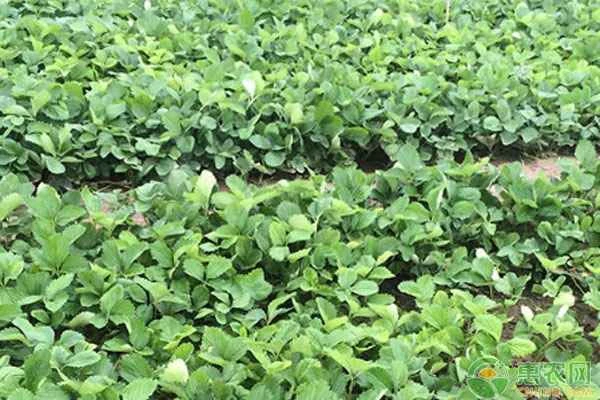
Plant hormones can promote the development of strawberry runners. For example, gibberellin can break the dormancy of strawberries and promote the development of runners. However, different varieties have different sensitivities to gibberellin, so we should pay attention to the dosage and concentration when using it.