Urea is a fast-dissolving fertilizer with the highest nitrogen content and is commonly used in agricultural production, playing a vital role in crop growth and yield. So how can urea be applied for optimal results? Let's find out below.
1. Apply deep covering soil
Many people, for convenience, like to apply urea directly to the surface near the plant roots when fertilizing. This method is very unscientific and leads to a serious waste of nutrients. Therefore, urea should be applied deeply and covered with soil (at least 5 cm deep) to greatly improve its fertilizer efficiency.
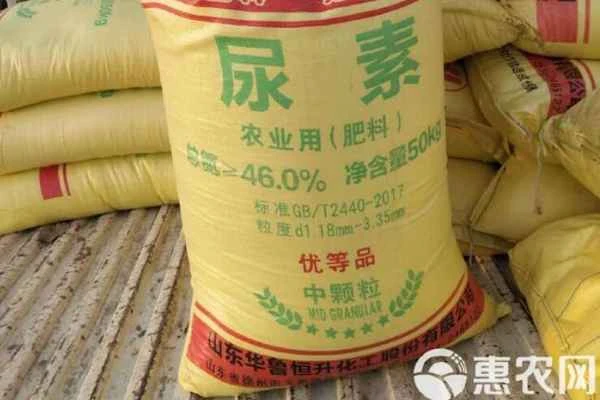
2. Soil moisture content
To ensure timely release of urea's fertility and improve its effective utilization rate, the soil moisture content needs to be maintained within an appropriate range. Generally speaking, when the soil moisture content is maintained at around 75%, the activity of soil microorganisms and the soil's ability to absorb ammonia reach a suitable balance. In other words, the application of urea fertilizer is most effective when the soil moisture content is around 75%.
3. Determine the root system distance
Applying urea too close to the roots can damage them. However, applying it too far from the roots can prevent the released nutrients from being absorbed in time. In production, urea should be applied by trenching or hole-burying, with the trench or hole being 10-15 cm away from the outer roots.
4. Foliar spraying
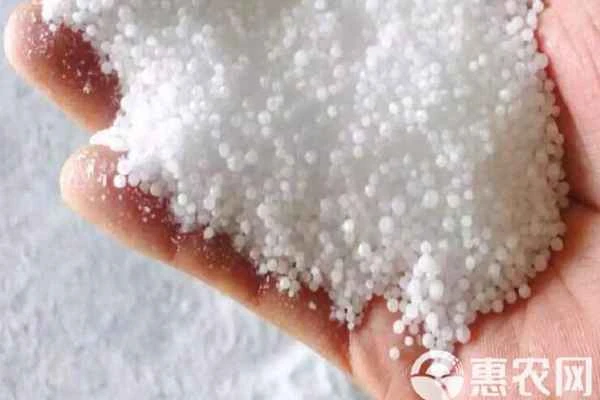
Urea is a small-molecule organic compound that is easily soluble in water and can be absorbed by plants through stomata and leaf gaps. Therefore, urea is also a common foliar fertilizer . Compared with soil fertilization, foliar fertilization has the advantages of rapid absorption, low dosage, strong effect, and high efficiency, and can effectively alleviate the symptoms of crop nutrient deficiency. When spraying foliar fertilizer, it is best to avoid spraying during the midday hours when the sun is strong. Spraying can be done on cloudy days or in the early morning or late evening on sunny days to improve fertilizer efficiency.
5. When used in combination with potassium dihydrogen phosphate
Potassium dihydrogen phosphate combined with urea can simultaneously supplement the three major elements of nitrogen, phosphorus, and potassium, replenishing the nutrients consumed by crops during flowering and other processes. Furthermore, the combination of the two allows for rapid absorption, and its effect is particularly pronounced when the root system's absorption capacity is limited. It can also prevent excessive nitrogen fertilizer from causing overly vigorous vegetative growth, leading to delayed maturity.