Implementing the Grain for Green Program is an important measure for controlling soil erosion and improving the ecological environment. In recent years, relevant national departments have issued Grain for Green Program plans, marking the official launch of a new round of this program. So what are the requirements for this new round of Grain for Green Program? The details are as follows:
What are the requirements for the new round of returning farmland to forest?
1. Farmers volunteer
Farmers' wishes should be fully respected; whether or not to return farmland to forest should be decided by the farmers themselves. However, in this process, government departments at all levels should strengthen guidance on relevant policies and plans.
2. Adapt to local conditions
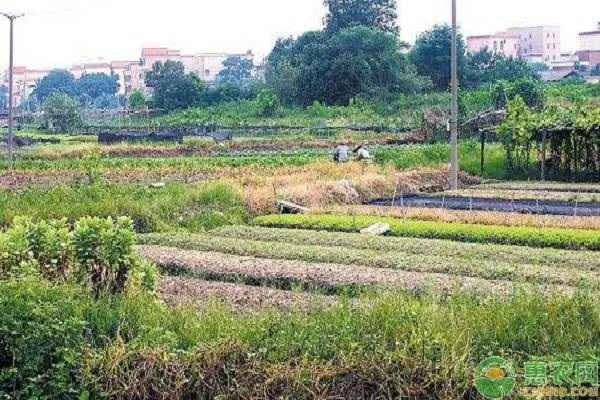
The approach should be tailored to local conditions, taking into account different geographical, climatic, and site conditions. For example, based on local industrial development plans, tree species with both ecological and economic value can be selected for conversion of farmland back to forest, which can improve the environment while also increasing the income of local people.
3. Strict Scope
The scope of conversion of farmland to non-basic farmland must be strictly limited to sloping farmland with a gradient of 25 degrees or more, severely desertified farmland, and sloping farmland with a gradient of 15-25 degrees in important water source areas.
4. Strengthen supervision
Relevant departments are required to improve the inspection and supervision mechanism for returning farmland to forest, strengthen basic work such as establishing files and systems, and improve the level of standardized management.
What is the subsidy standard for converting farmland back to forest?
According to current policy regulations, the central government will provide a subsidy of 1,600 yuan per mu for the new round of returning farmland to forest (of which 1,200 yuan is a cash subsidy from special fiscal funds and 400 yuan is a subsidy for seedlings and afforestation from budgetary investment). The subsidy will be allocated to the provincial people's government in three installments: 900 yuan per mu in the first year (including 400 yuan for seedlings and afforestation), 300 yuan per mu in the third year, and 400 yuan per mu in the fifth year.
In addition, provincial governments may independently determine the specific subsidy standards and installments to be paid to farmers who have returned farmland to forest, provided that they are not lower than the central government's subsidy standards. Any portion of the local increase in the standard that exceeds the central government's subsidy scale shall be borne by the local government.