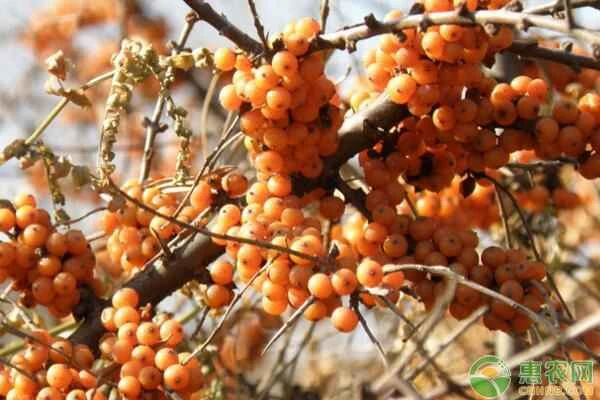
Sea buckthorn is a shrub that grows on the edges of deserts. It is very resilient. Proper management is essential when cultivating sea buckthorn. The following are four key points for sea buckthorn cultivation:
1. Site selection and land preparation
Sea buckthorn is a sun-loving tree species that thrives in full sun. It is not particular about soil type and can grow normally in gravelly soil and slightly saline-alkaline soil, but it does not like overly heavy clay soil. It is not demanding in terms of temperature. When planting, apply 2500-4000 kg of well-rotted farmyard manure per acre during land preparation. Apply the manure to the bottom of the raised beds, making sure to mix it evenly with the soil to avoid burning the roots.
2. Seedling cultivation
Before spring sowing, sea buckthorn seeds should be germinated. First, soak the seeds in a 0.5% potassium permanganate solution for 2 hours to disinfect them. Then, soak them in warm water (40-60℃) for 1-2 days. Afterward, mix them with river sand. Sow when 30%-40% of the seeds have cracked open. When sowing, the row spacing should be 10-15cm, and the sowing depth about 3cm. In spring sowing, spray water to maintain a moderate moisture level. Seedlings will generally emerge in one week and be uniform in half a month. Autumn sowing is best done in late autumn. Water in winter to prevent freezing, and seedlings will emerge the following year.
3. Field Management
After planting sea buckthorn, careful management is essential, including regular soil loosening to improve aeration. To enhance soil fertility, weeding is crucial. In areas with favorable conditions, applying urea after rain can promote growth. Sea buckthorn is sensitive to phosphorus fertilizer; therefore, applying calcium phosphate appropriately can promote plant growth.
4. Pruning the tree
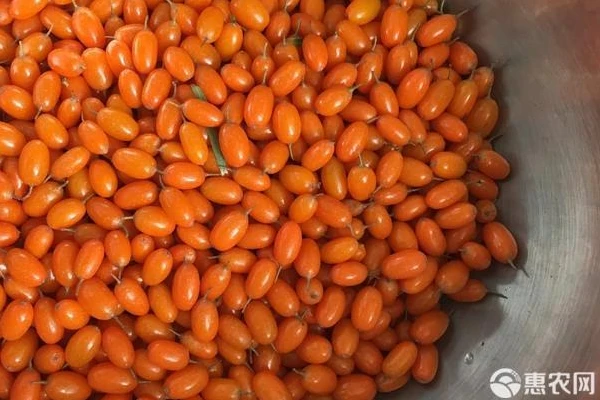
When planting sea buckthorn, it is essential to promptly prune and remove diseased and dead branches, and scrape off diseased bark to prevent fungal infection. During the bud stage, young fruit stage, and fruit enlargement stage, apply a fruit-strengthening agent to thicken the fruit stalk, increase nutrient transport, prevent flower drop, improve pollination capacity, increase fruit set rate, accelerate fruit enlargement, and ensure high-quality and high-yield fruit.