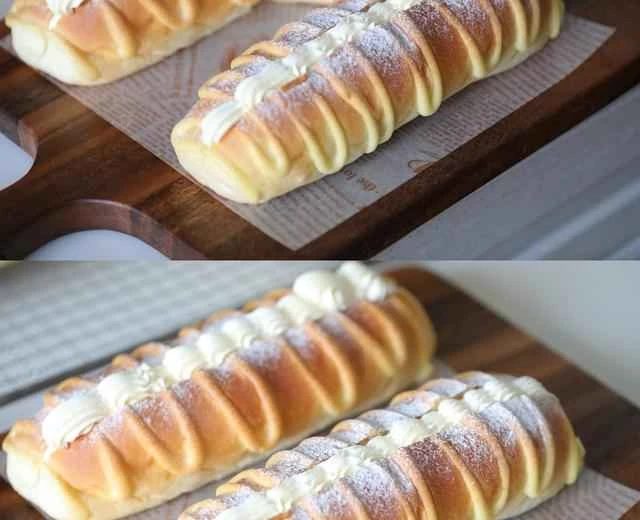
This bread evokes childhood memories for so many. Its classic, cute, and incredibly simple design, combined with an extra-soft bread crust encasing a rich, silky cream filling, makes it an absolute must-try. The cream filling can be made by whipping heavy cream and sugar, or using custard cream or cheese sauce cream. I'm making the old-fashioned cream version here, so please pay attention to the steps! Old-fashioned dough recipe: https://mp.weixin.qq.com/s/r7RvYbyCjBs3Q5I0Go0rnA Tangzhong (water roux) recipe: https://mp.weixin.qq.com/s/o-qxK0t902KSFiT5z5vwUw
Materials
Super! Soft! Classic Caterpillar Bread Recipe Steps
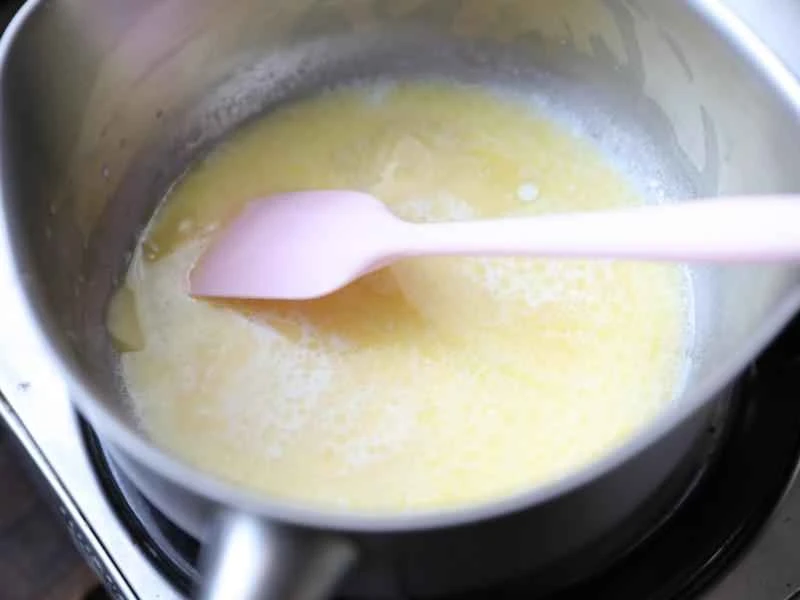
Cream puff filling: (Can be made during the first fermentation) Butter + water + salt, simmer over low heat until boiling.
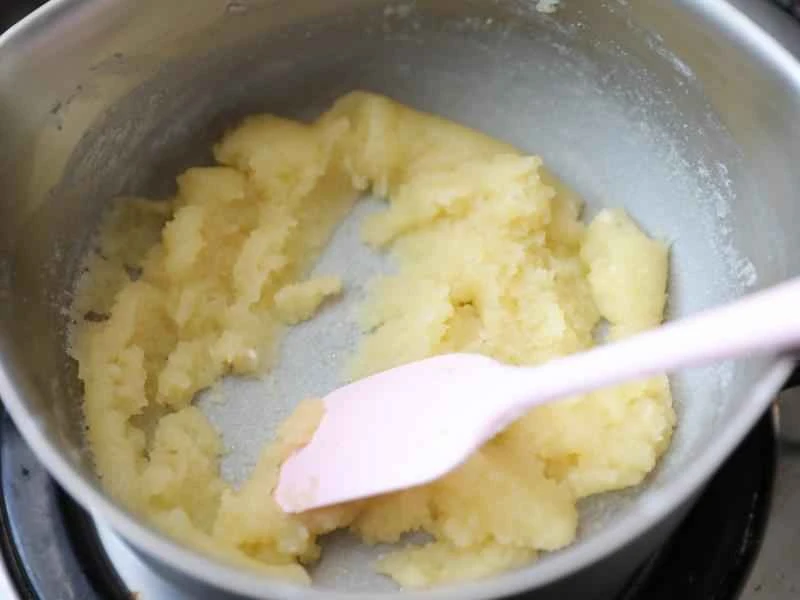
Add the cake flour and stir quickly until a thin film forms on the bottom of the pot. Turn off the heat.
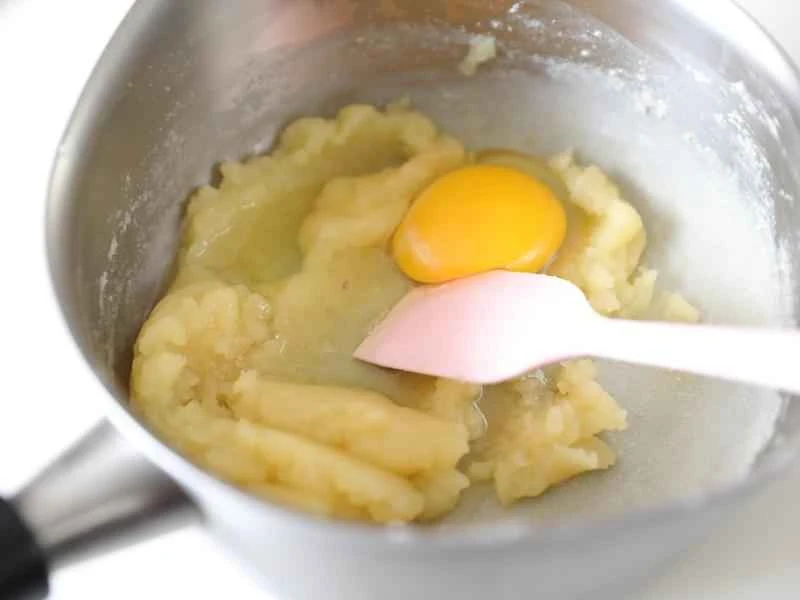
Spread the mixture out to cool slightly, then add the whole egg and stir.
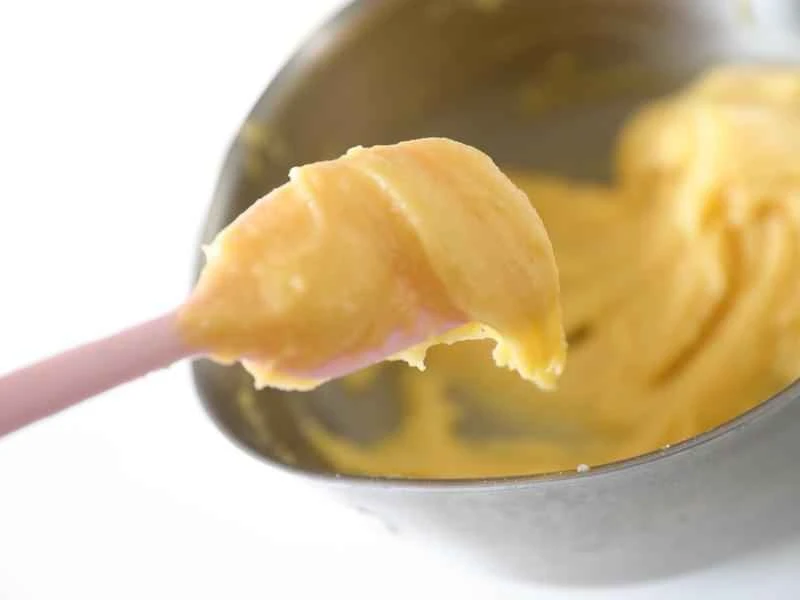
Stir until the mixture clings to the spatula without quickly dripping off, forming a triangular shape.
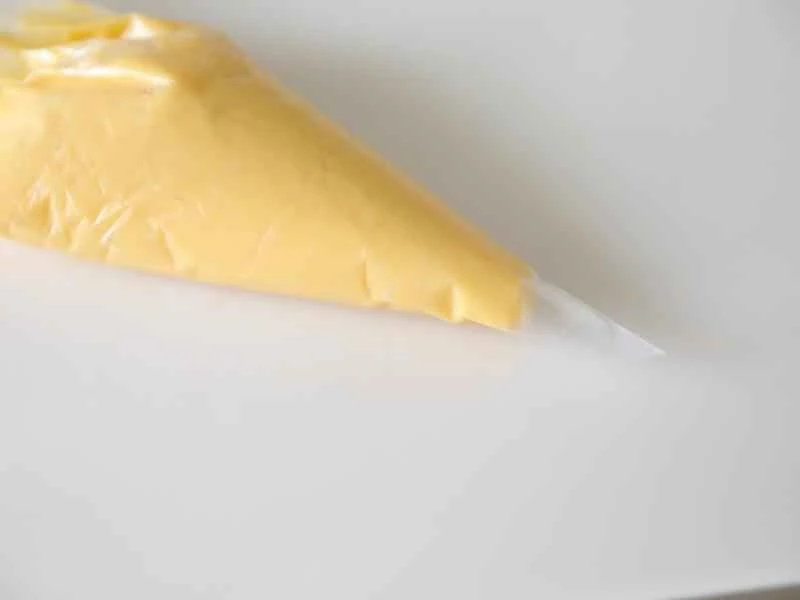
Put it into a piping bag and set aside.
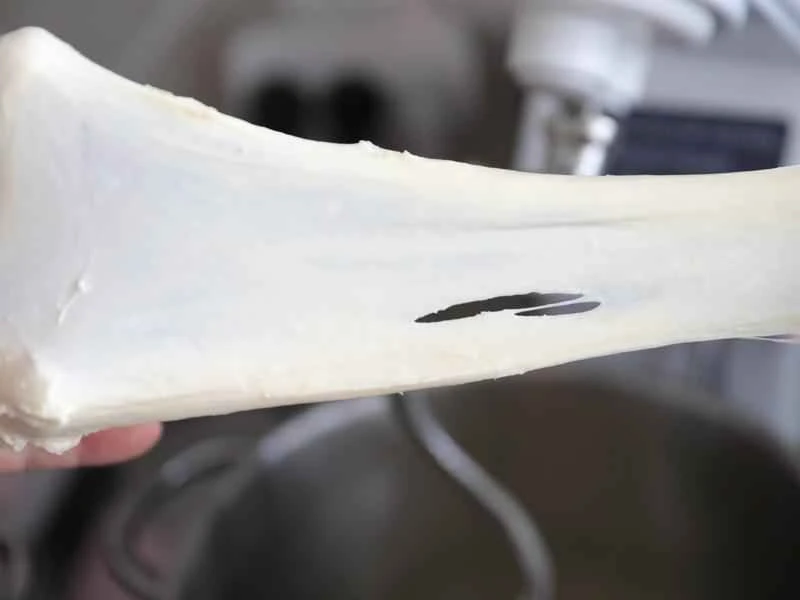
Weigh all ingredients except butter for the dough in the delayed butter method and place them in the mixing bowl of a stand mixer. Mix on low speed for about 1 minute, until no dry flour remains, then increase the speed to 6-7. As the gluten gradually develops, you can stretch it into a large, relatively thick membrane.
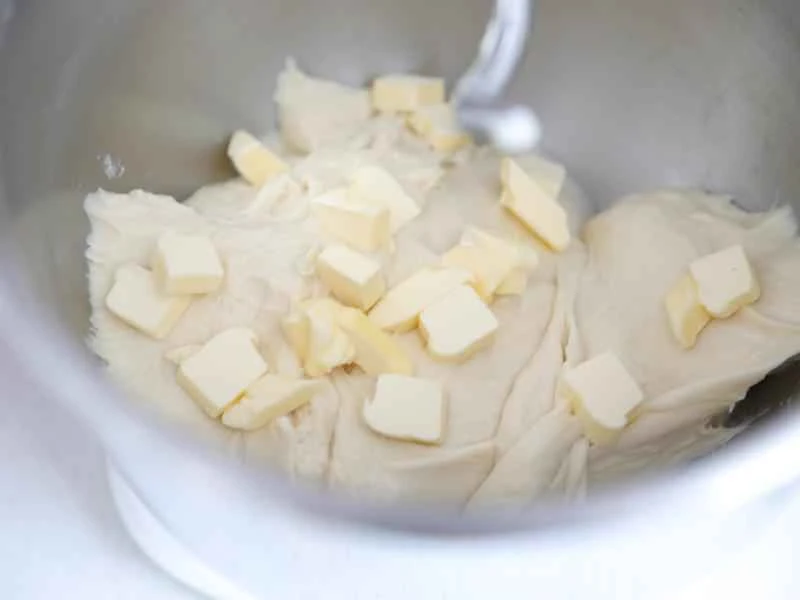
Add the softened butter and knead it in at low speed.
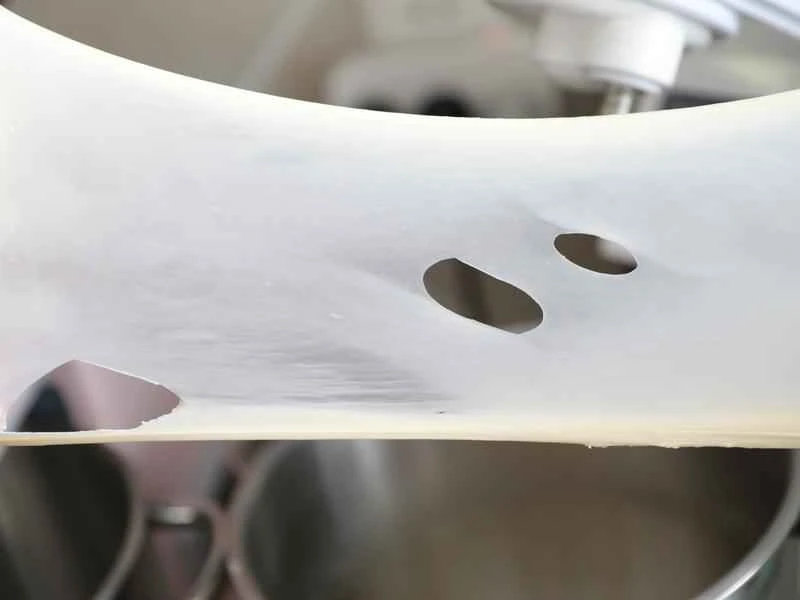
After incorporating the butter into the dough, switch to speed 5-6 and continue kneading until the dough reaches the fully developed stage; it should be able to stretch into a relatively transparent, highly elastic membrane.
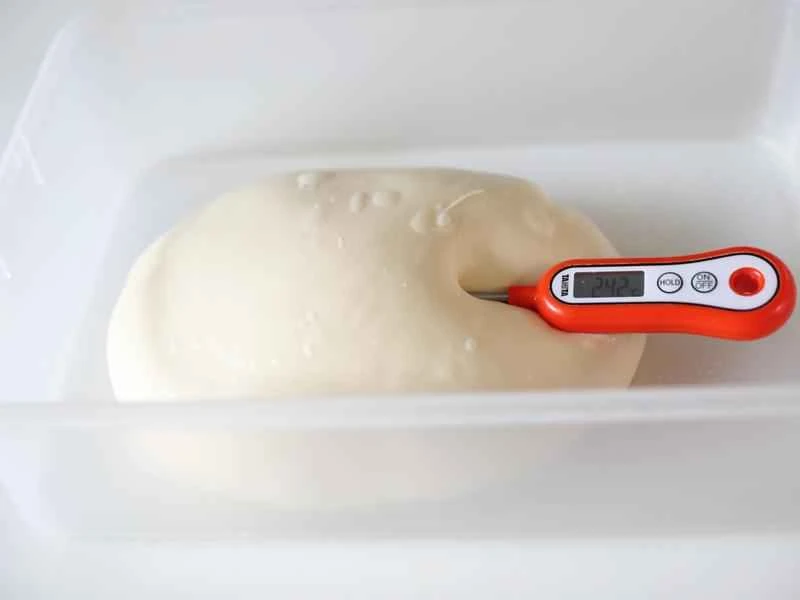
When the dough comes out of the kneading container, the temperature should be around 26 degrees Celsius. Take the dough out, shape it, and place it in a container.
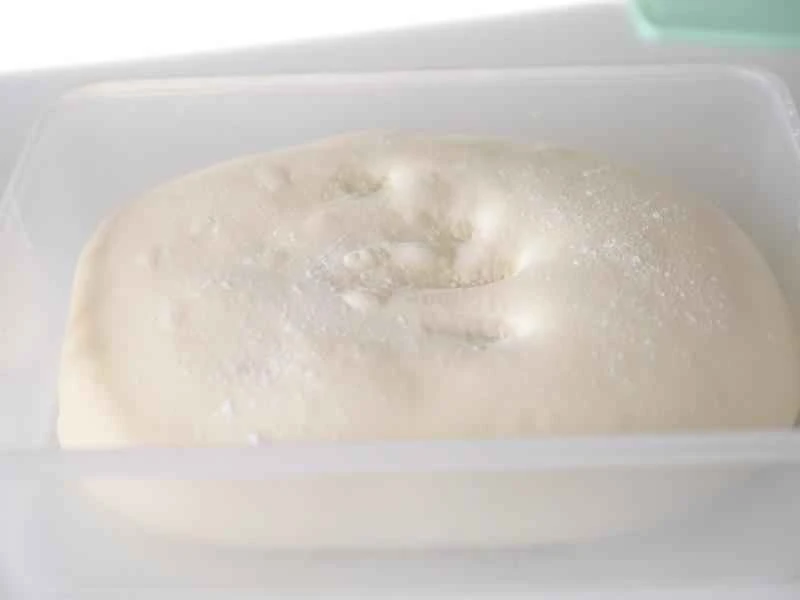
Place the dough in a fermentation box, set the temperature to 28°C and the humidity to around 75%, and let it ferment for about 60 minutes, until the dough has risen to about 2.5 times its original size.
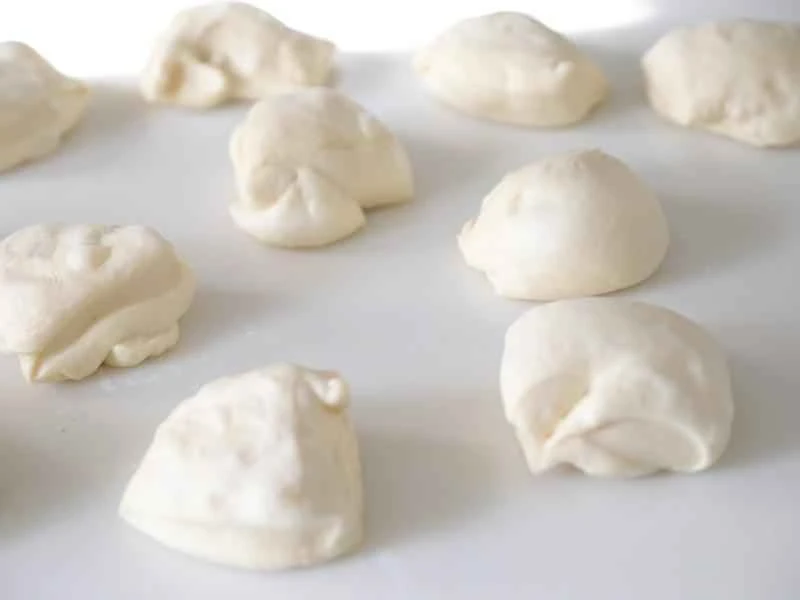
Take out the dough and divide it into portions of about 100 grams each.
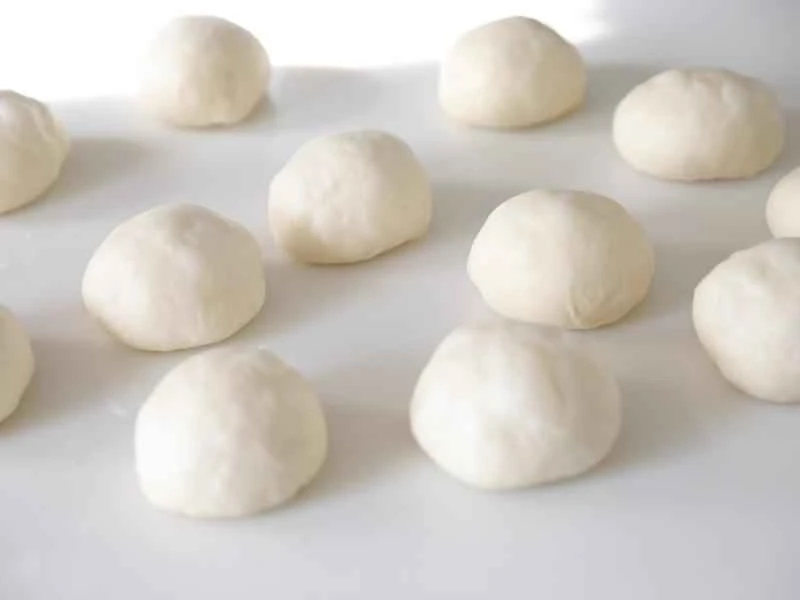
Fold and shape into a round shape, place in a fermentation box, and let it rise for 20 minutes at a temperature of 28°C and a humidity of 75-80%.
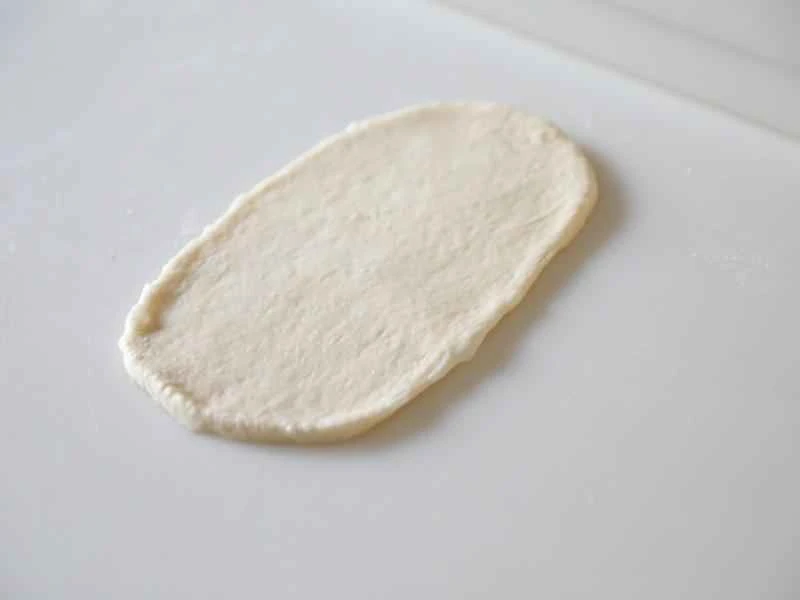
Take a relaxed dough ball and roll it out.
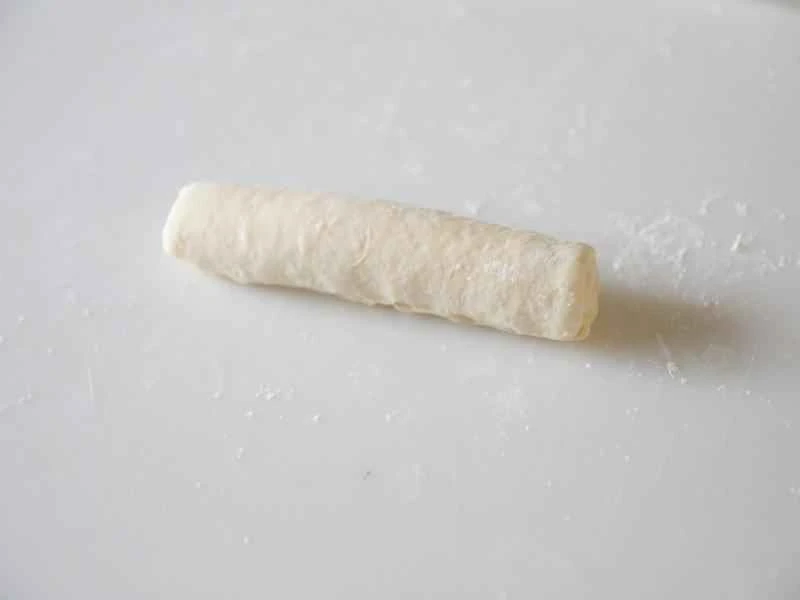
Turn it over, roll it up from top to bottom, and press the seam closed.
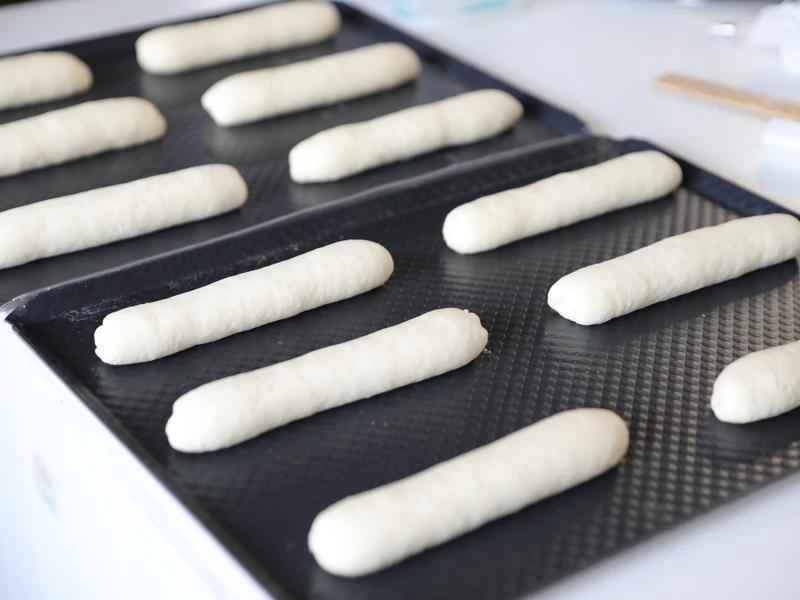
Roll it out slightly, seam side down, and place it on a baking tray.
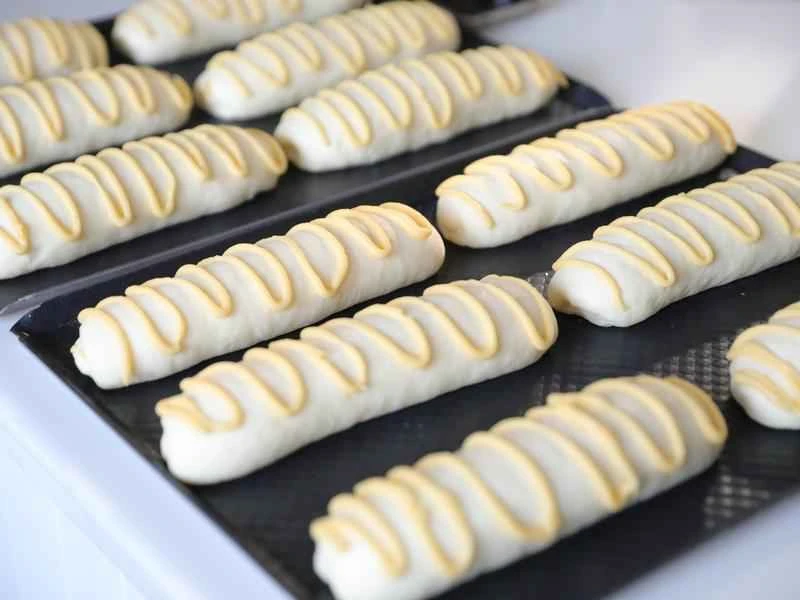
Place in an environment with a temperature of around 32-34 degrees Celsius and a humidity of 80% to ferment until doubled in size. Pipe choux pastry on top for decoration.
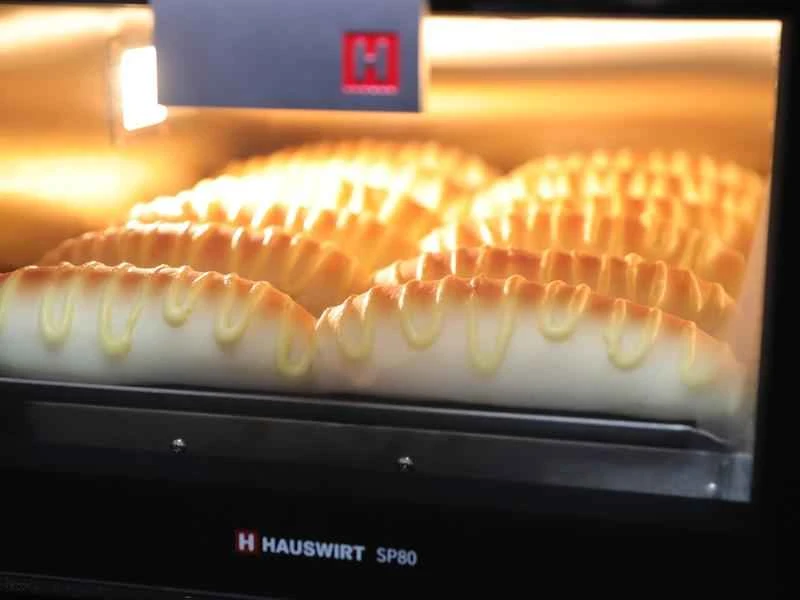
Place in a preheated SP80 oven and bake at 220/200 degrees Celsius for 12 minutes. Note: You can adjust the temperature by 10 degrees Celsius depending on the actual baking situation. For home ovens, just set the temperature as you would for regular dinner rolls.
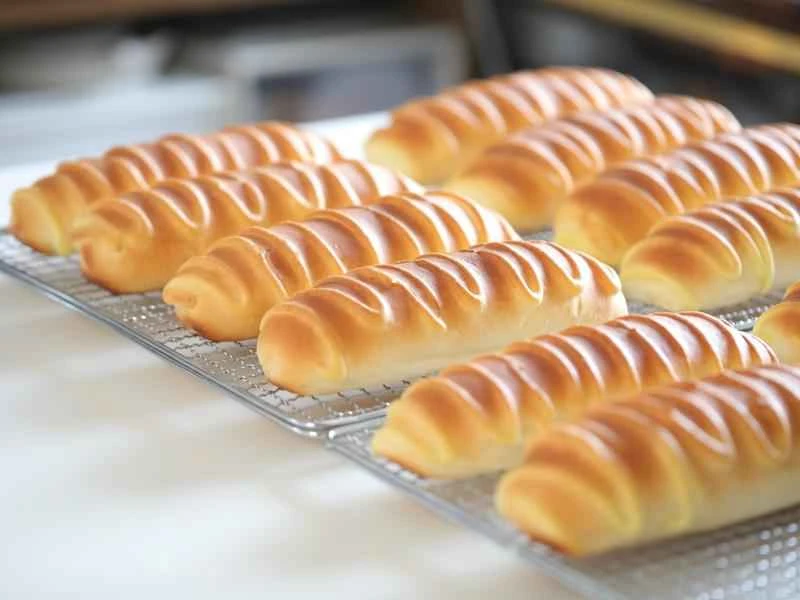
Demolding after shaking the mold after baking;
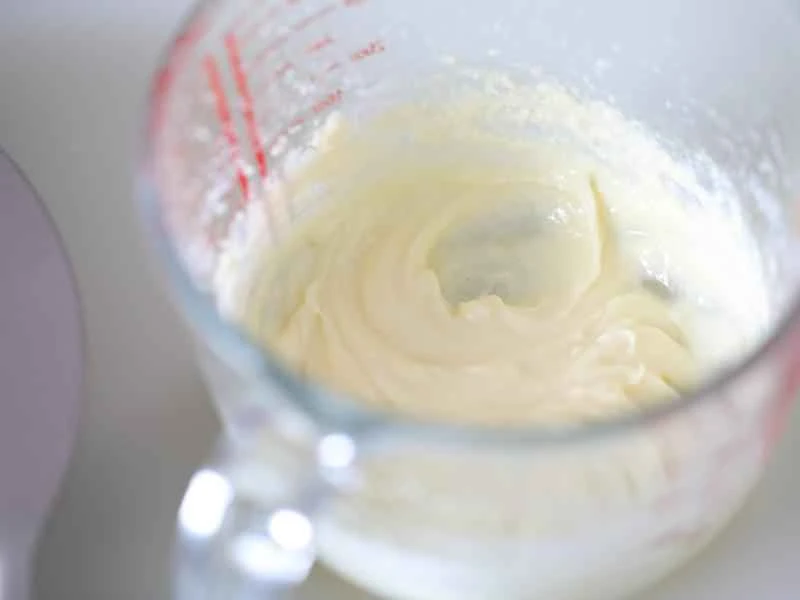
Softened butter, sugar, and salt are mixed together and then whipped.
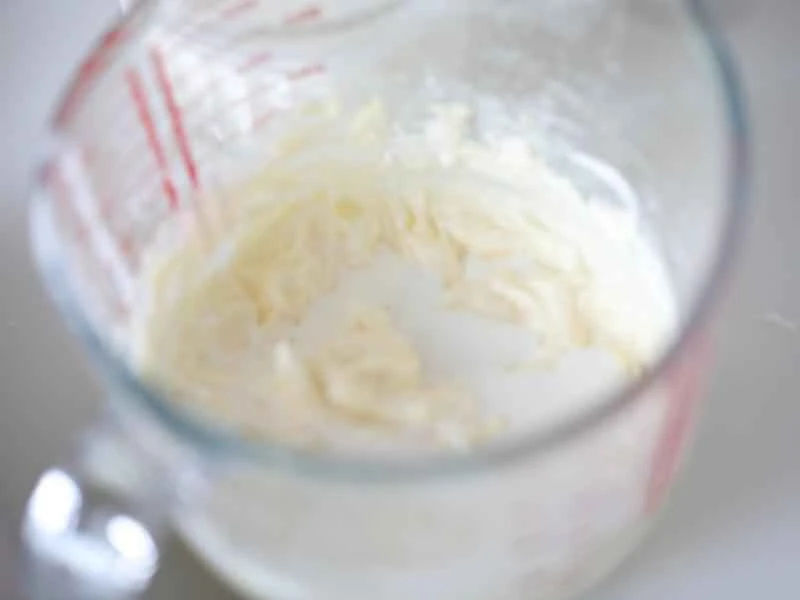
Gradually add room temperature heavy cream in small amounts and mix while whipping.
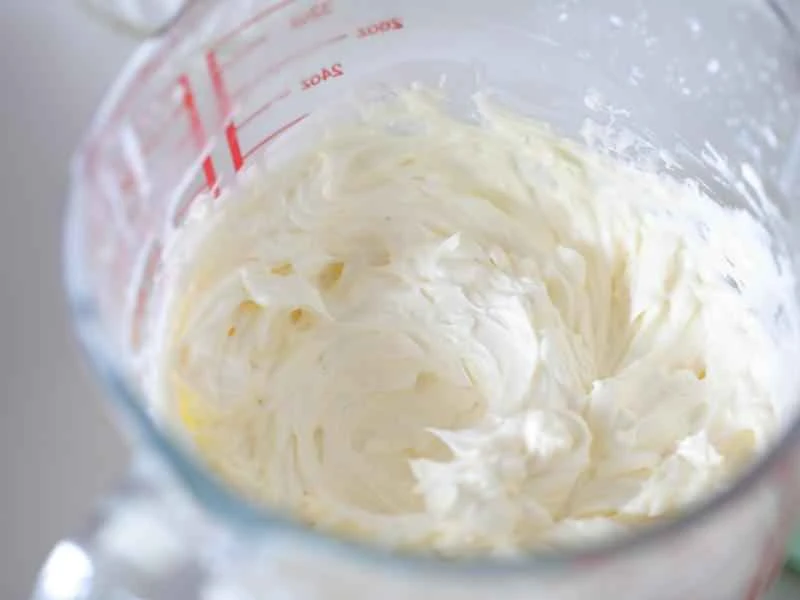
Each time, make sure to mix well before adding the next batch. If the temperature is too low during the process and the water and oil separate, you can immediately stir it in warm water to restore it. After whipping, choose your favorite piping tip, put it in a piping bag and set it aside.
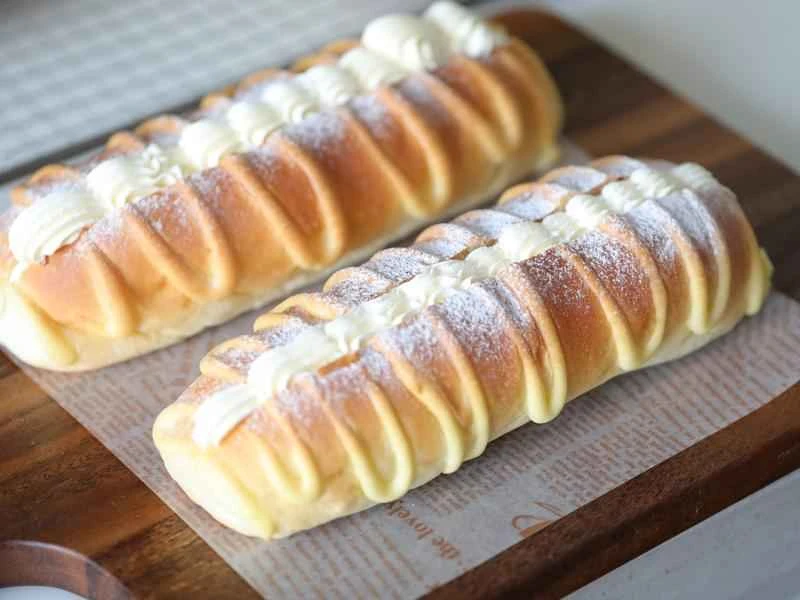
After the bread has cooled, slice it open but not all the way through. Pipe on the cream. (P.S.: For easier packaging and storage, you can also make a horizontal cut from the side without cutting all the way through. Pipe the cream in the middle, trying not to leak out, and then you can safely pack it in a bag!)