Soybeans are a very important food crop, widely planted in China, and can be grown in many regions. However, pests and diseases often occur during soybean cultivation. So what are the prevention and control methods and pesticides for soybean pests and diseases? Let's take a look.
1. Gray spot disease
Soybean gray spot disease has a wide range of damage, affecting soybean seeds, stems, leaves, and later pods.
When soybean gray spot disease appears in the field, timely application of pesticides is necessary for prevention and control. Suitable pesticides include oxadiazon·tebuconazole, thiophanate-methyl, carbendazim, chlorothalonil, etc. The appropriate pesticide should be selected based on the local resistance.
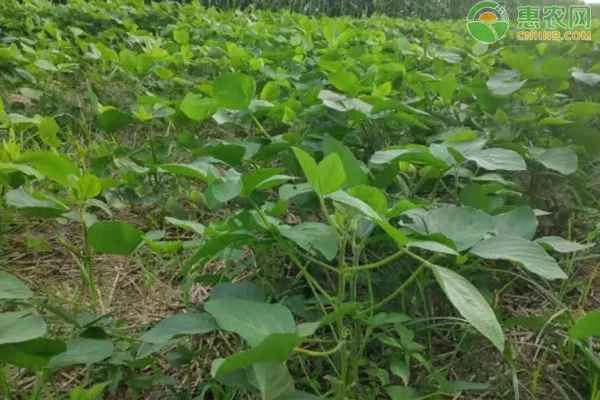
2. Anthrax
Soybean anthracnose can cause damage from emergence to harvest, mainly affecting the pods, leaves, and stems. Continuous rainy weather can exacerbate the occurrence of anthracnose.
When anthracnose occurs in the field, the earlier the prevention and control, the better. Purchase fungicides in time for treatment. Suitable fungicides include carbendazim, thiophanate-methyl, bromuconazole, and imazalil. Depending on the severity of the disease and the resistance, the dosage can be increased or the number of sprays can be increased.
3. Purpura
Soybean purple blotch occurs in almost all soybean growing areas in both the north and south, with a wide distribution. It mainly damages seeds and pods, but stems and leaves can also be infected, seriously affecting the quality and yield of soybeans.
To prevent and control soybean purple blotch, the earlier the better. Suitable fungicides include carbendazim, thiophanate-methyl, and difenoconazole. Depending on the severity of the disease in the field, multiple applications may be necessary.
4. Viral diseases
When soybeans are infected with a viral disease, the affected plants are stunted, produce fewer pods, and ultimately have a low yield.
For viral diseases, the earlier the prevention and control, the better. If prevention is not possible in advance, the available agents are potassium dihydrogen phosphate (or brassinolide) + morpholine guanidine hydrochloride. Some organosilicon adjuvants can also be added to improve the efficacy of the fungicide. 
5. Root rot
Soybean root rot mainly affects the roots of soybeans. The disease can occur from the time soybeans germinate after sowing until harvest, and can seriously affect soybean yield.
When root rot appears in soybean fields, purchase pesticides as soon as possible for prevention and control. Available pesticides include single agents such as difenoconazole, thiram, and carbendazim. If the effect of single agents is not significant, compound agents can be used, such as hymexazol + thiram, hymexazol + thiabendazole, or hymexazol + thiram. These agents can be used for root irrigation or spraying to treat root rot.
6. Downy mildew
Soybean downy mildew is widespread and is mainly caused by infection with downy mildew fungus. When soybeans are infected with downy mildew, the entire soybean plant can be infected, including the beans, pods, and leaves, affecting the final quality and yield.
Currently available fungicides include single agents such as thiram, carbendazim, and chlorothalonil. If the control effect is not significant, you can try pyraclostrobin or azoxystrobin, or use compound fungicides such as metalaxyl + mancozeb , mancozeb + cymoxanil, or azoxystrobin + dimethomorph.
7. Aphids
Aphids are one of the more common pests of soybeans during their growth. They mainly infest the tender stems, tender leaves, and top leaves of soybeans. When aphid infestations are severe, soybean leaves curl up, the number of pods decreases, and the yield and quality of soybeans are low.
There are many pesticides for controlling aphids, such as single agents like acetamiprid, imidacloprid, cypermethrin, and pirimicarb, or compound agents like high-chlorpyrifos-imidacloprid, thiamethoxam-high-chlorpyrifos-fluorine, and chlorpyrifos-chlorpyrifos. In fields with a large aphid infestation, you can walk a little slower and make sure to spray thoroughly and evenly when controlling aphids.
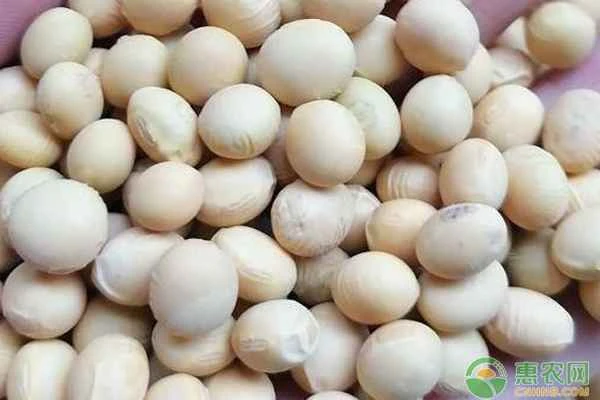
8. Heartworm
The seed borer occurs in almost all soybean growing areas, is widely distributed, and damages soybean grains.
Currently available insecticides include single agents such as cypermethrin, lambda-cyhalothrin, deltamethrin, malathion, and chlorpyrifos. If these single agents are not effective in some areas, compound agents can be selected, such as cypermethrin·phoxim, cypermethrin·chlorpyrifos, and chlorantraniliprole·high-chlorpyrifos.