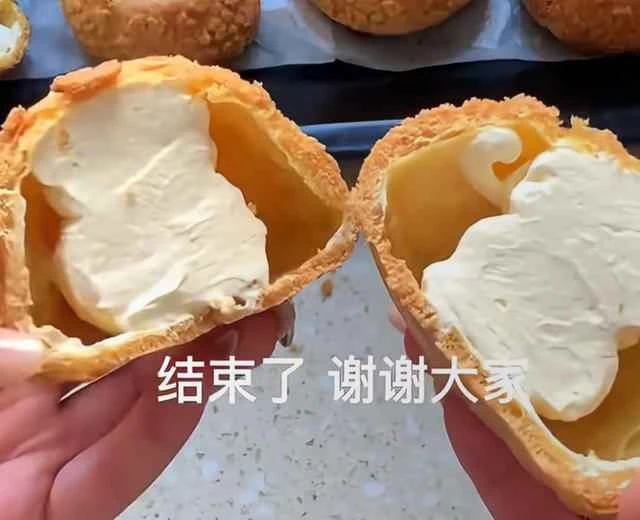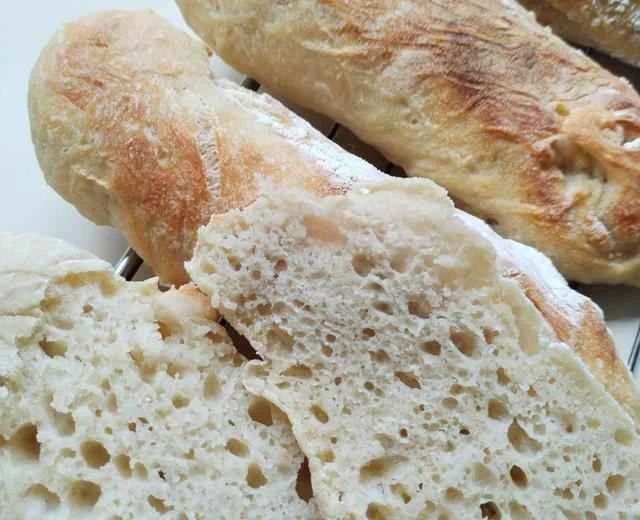
I excitedly started baking as soon as I received the baking stone, but my first attempt turned into a major disaster... I'm documenting this blunder to warn other bakers who might want to try it too 👇
Materials
A Beginner's Guide to Ciabata Failure | Lessons Learned from Baking Stones and Transferring Techniques 😭
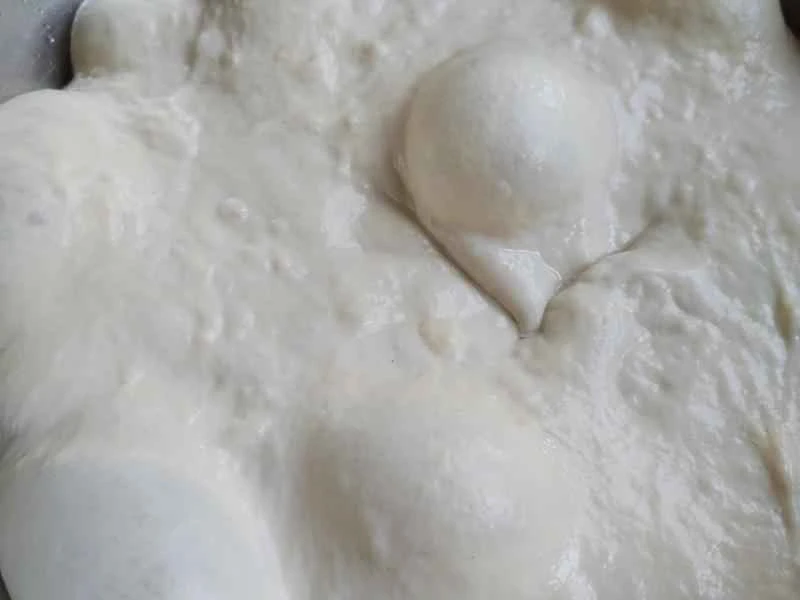
The Polish starter was mixed with French flour and stirred until smooth. After folding and fermentation, it was refrigerated overnight. When it came to room temperature the next day, the dough was still full of air.
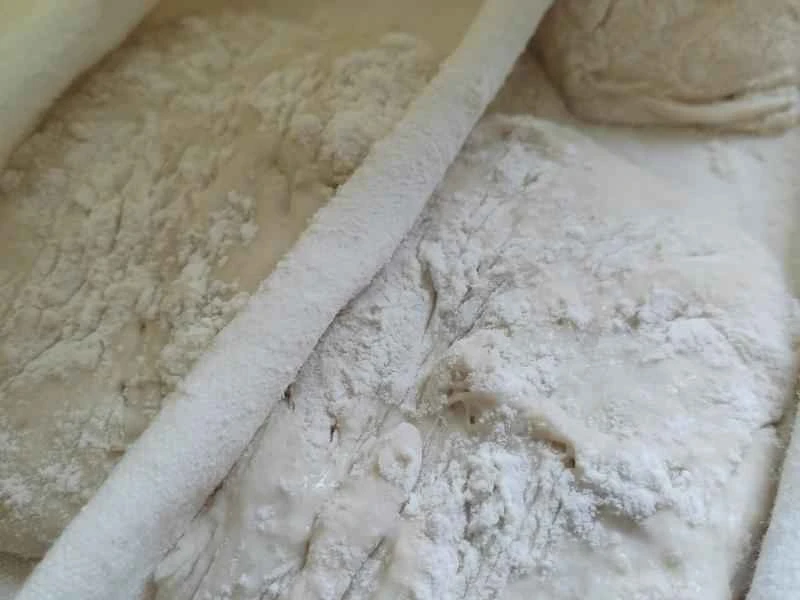
After being cut and fermented, the dough volume increases again.
🍞 Memorable baking disaster: - Dough "deflates" and shrinks: Without a baking transfer board, I was frantically handling the dough by hand, and all the air bubbles burst! The once round dough instantly "deflated," shrinking by two sizes after being transferred 😤. Watching my little air bubbles disappear was heartbreaking 😭
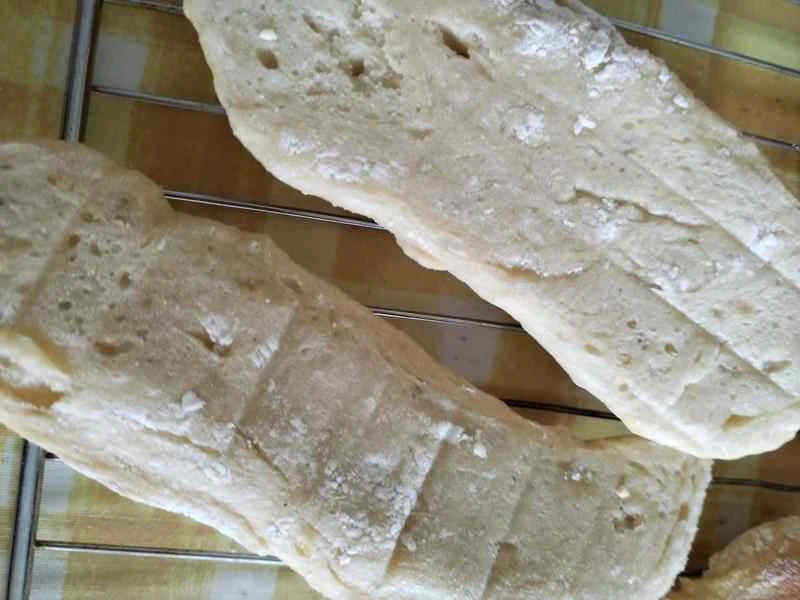
🍞 Famous baking disaster: - Soggy bottom: The baking stone wasn't preheated enough!! Thinking "it'll be hot enough," the dough didn't make any sizzling or caramelizing sound when placed on it, and the bottom looked like a steamed bun after coming out of the oven 😢
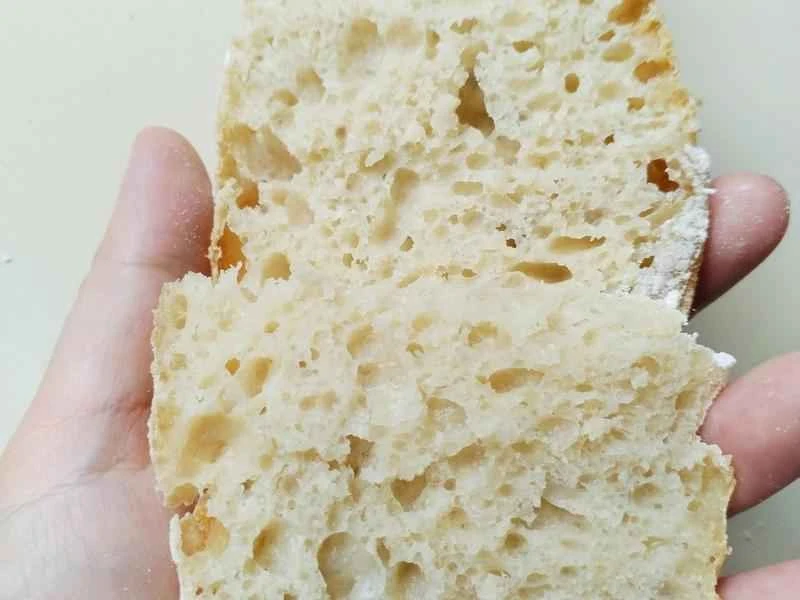
🥖 Although it was a disaster, I'm still happy to smell the wheat aroma~ The dough surprisingly had air pockets, the color came through, and it even seemed to have a slight gelatinous texture 😍, it's just that the appearance wasn't great 😅 I'll try again next time! (Attached is an ugly picture of the finished product: the bottom is soft and collapsed + the size is a shrunken version of ciabatta 😂)
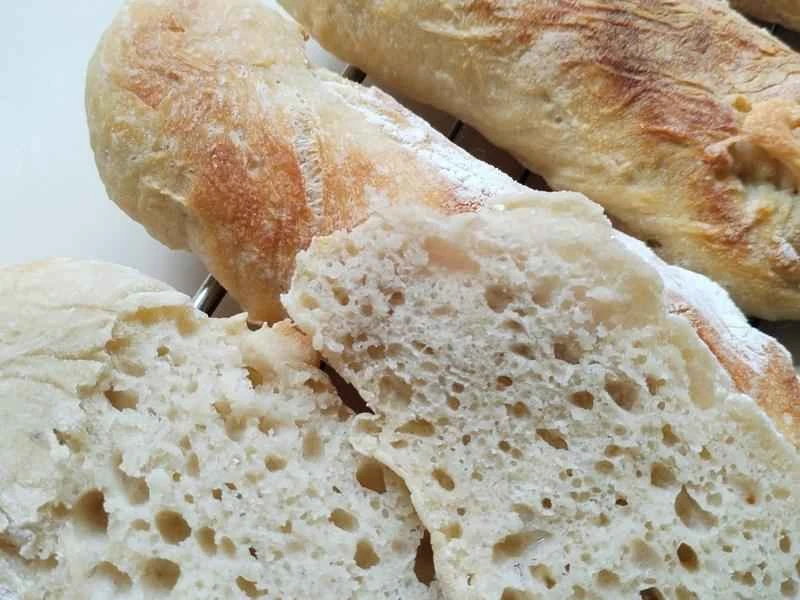
A Beginner's Guide to Ciabata Failure | Lessons Learned from Baking Stones and Transferring Techniques 😭
💡 Lessons Learned Through Hard Work (Key Points!): 1. Preheat the baking stone thoroughly - Place it in the oven at 230℃+ (top and bottom heat) for at least 1 hour beforehand, and bake until the crust is so hot you dare not touch it (wear gloves!). 👋 - Don't be lazy like me; the baking stone needs to be thoroughly heated to quickly seal the bottom and create a crispy crust! 2. Transfer tools are essential - Don't have a wooden transfer board? At least find a flat baking pan/pizza spatula and sprinkle it with cornstarch to prevent sticking! - Handle the dough gently, supporting the bottom like you're handling a fragile item to prevent air bubbles from escaping. 💨