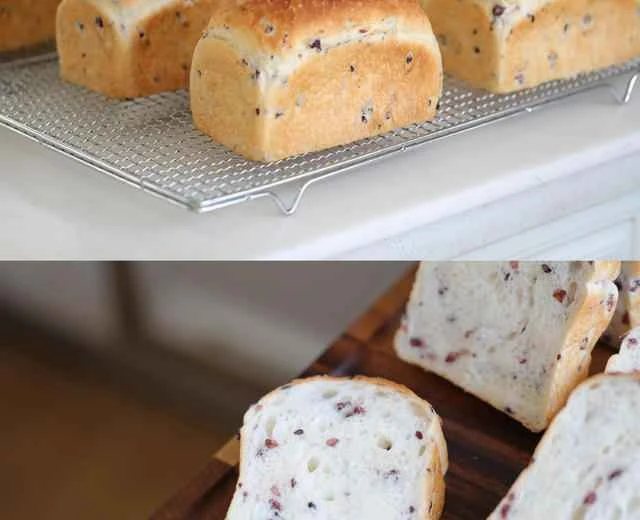
Seven Grains Rice Crispy Toast ~ A slight adjustment to the basic dough of 【Ying's Crispy Toast】, this crispy toast smells so good! The finished product has a thin, crispy crust, a rich wheat aroma, and a soft, moist interior. It's savory and delicious. A couple of slices for breakfast is simply perfect! Old dough: https://mp.weixin.qq.com/s/r7RvYbyCjBs3Q5I0Go0rnA Tangzhong: https://mp.weixin.qq.com/s/o-qxK0t902KSFiT5z5vwUw
Materials
English Crispy Series - Steps for Making Mixed Grain Rice Crispy Toast
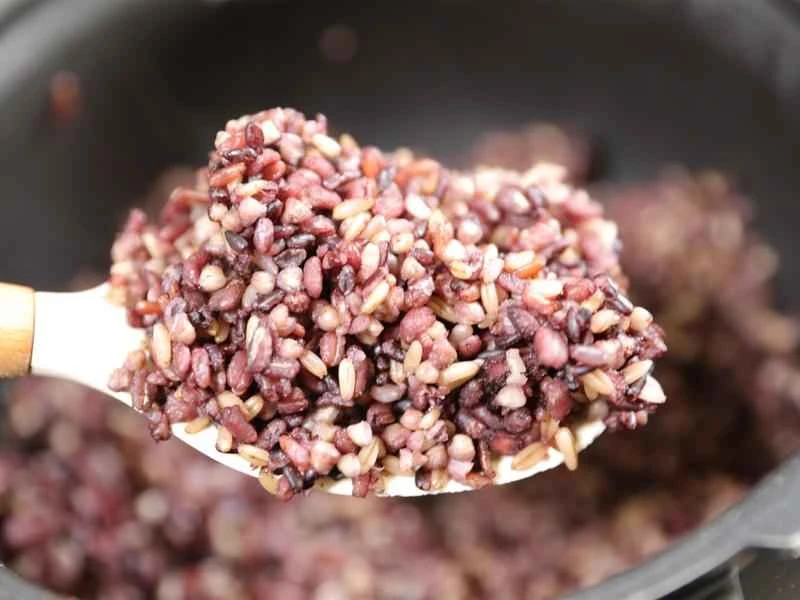
Note on preparing mixed grain rice in advance: I used various types of rice that I usually use when cooking mixed grain rice, including barley rice, oat rice, brown rice, black rice, buckwheat rice, wheat kernels, purple rice, etc. Just use the same water ratio as you would when cooking mixed grain rice. It is recommended to soak the rice first and then cook it. Considering that the mixed grain rice is added later when making noodles, I did not add white rice when cooking it here.
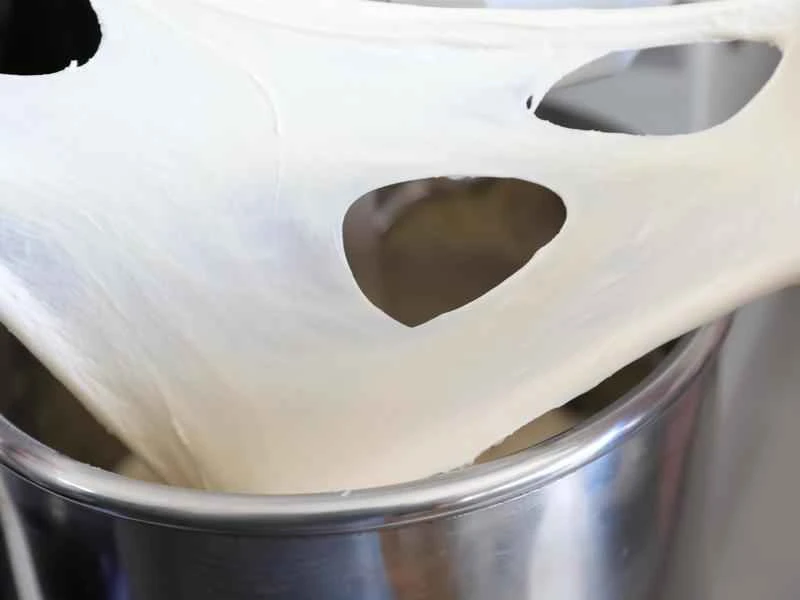
Weigh all ingredients except butter for the dough in the delayed butter method and place them in the mixing bowl of the U10 stand mixer. Mix on low speed for about 1 minute, until no dry flour remains, then increase the speed to ultra-high speed. As the gluten gradually develops, it can be stretched into a large, relatively thick membrane.
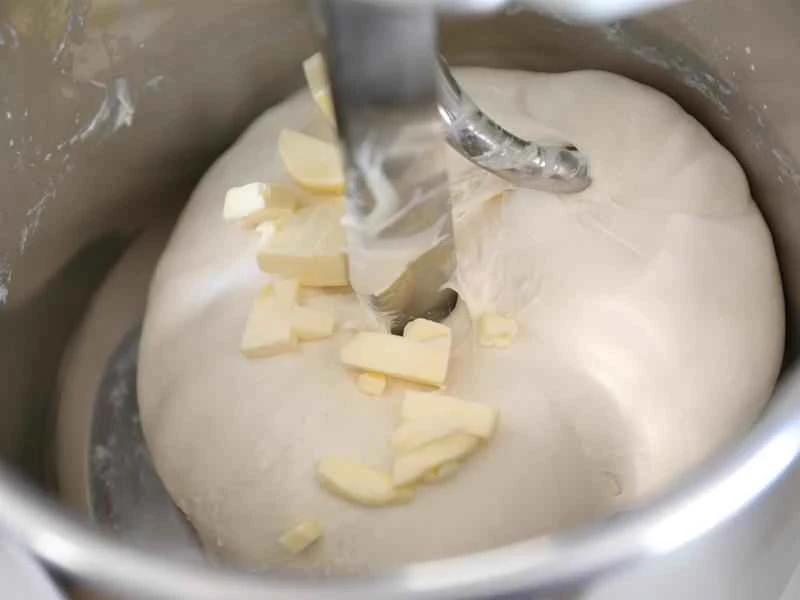
Add the softened butter and knead it in at low speed.
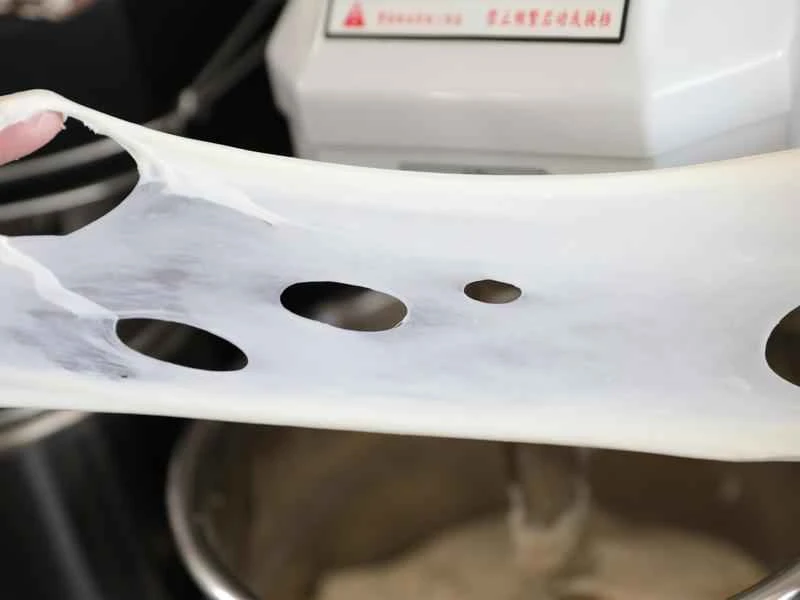
After incorporating the butter into the dough, switch to ultra-high speed and continue kneading until the dough reaches the extended stage; it should be able to stretch into a relatively transparent, highly elastic membrane.
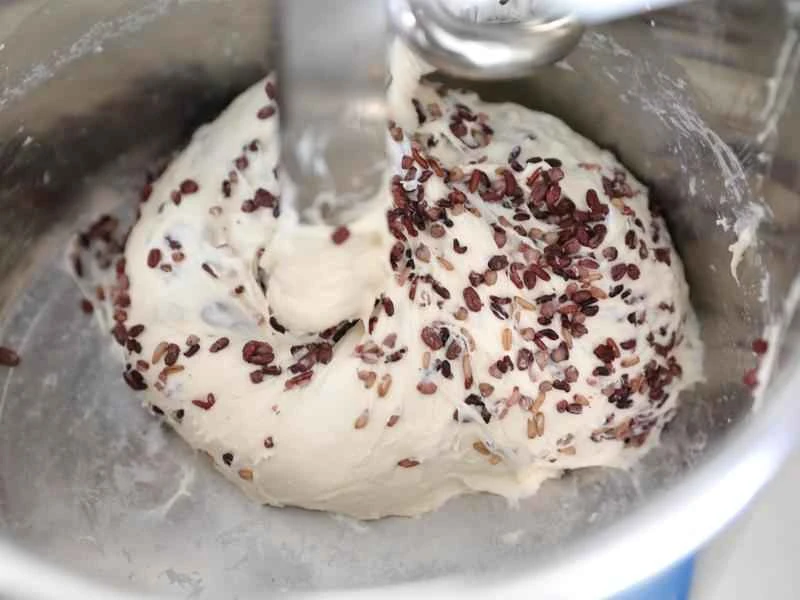
Add the mixed grain rice and stir slowly until well combined.
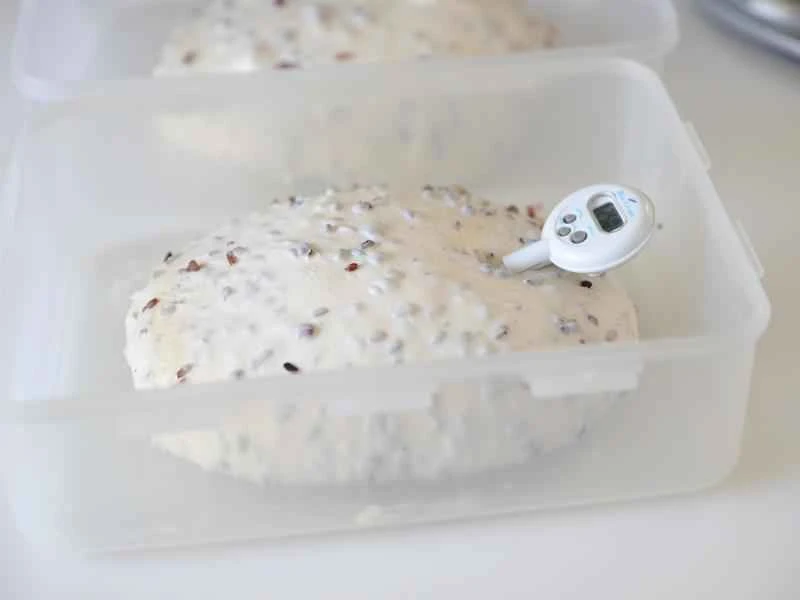
When the dough comes out of the kneading container, the temperature should be around 24 degrees Celsius. Take the dough out, shape it, and place it in a container.
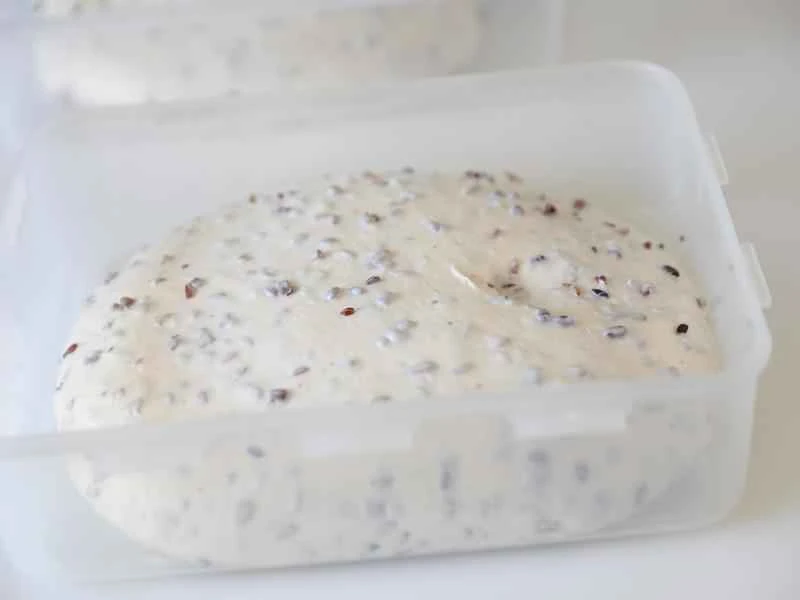
Place the dough in a fermentation box, set the temperature to 28°C and the humidity to approximately 75%, for primary fermentation. Primary fermentation should take about 60 minutes, until the dough has risen to approximately 2-2.5 times its original size.
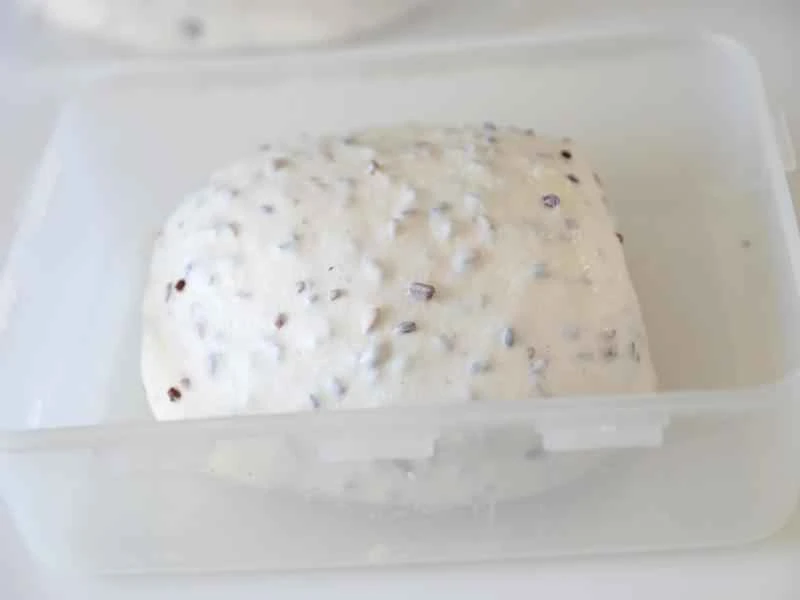
Folding and Turning Notes: After the dough has fermented, remove it from the refrigerator, sprinkle with flour to prevent sticking, and fold it over like a blanket from top to bottom and left to right.
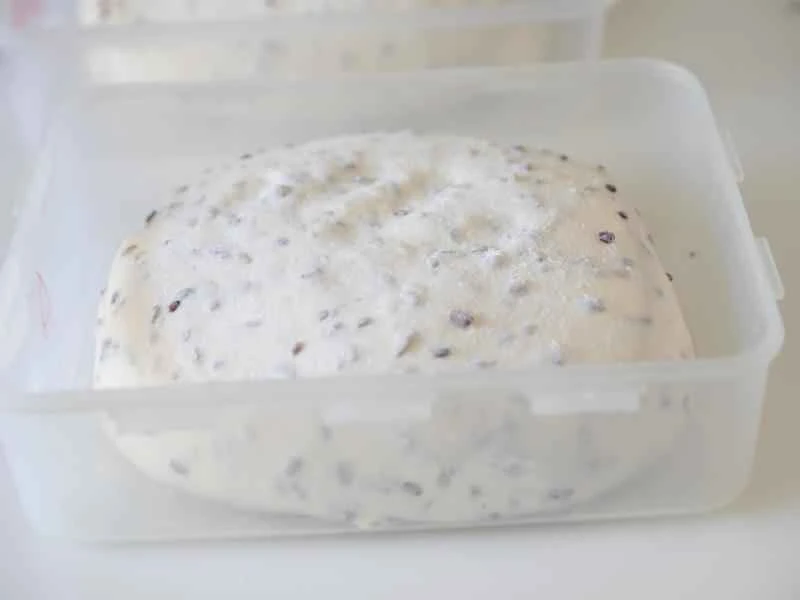
Place in a box and continue fermenting at 28 degrees Celsius for 30 minutes.
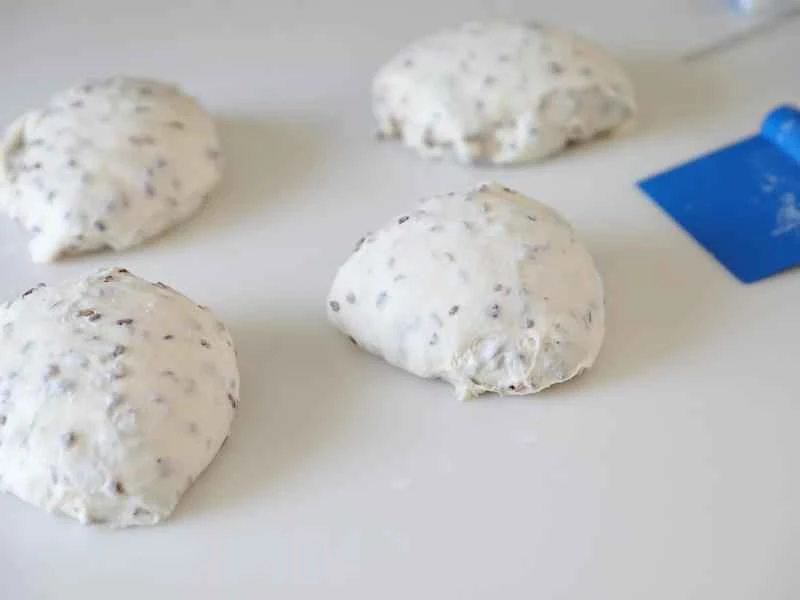
Take out the dough and divide it into portions of about 350 grams each.
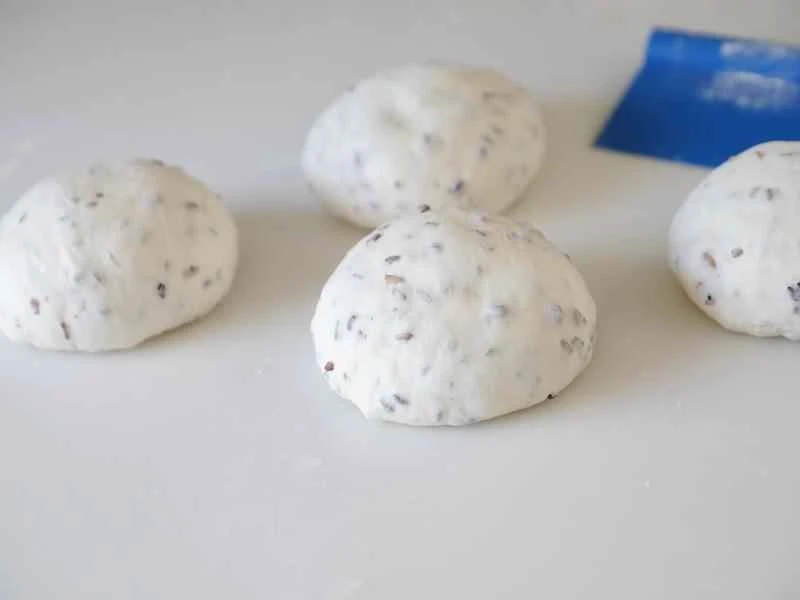
Fold and tighten, shape into a round shape, and place in a fermentation box. Proof for 20 minutes at a temperature of 28°C and a humidity of 75-80%.
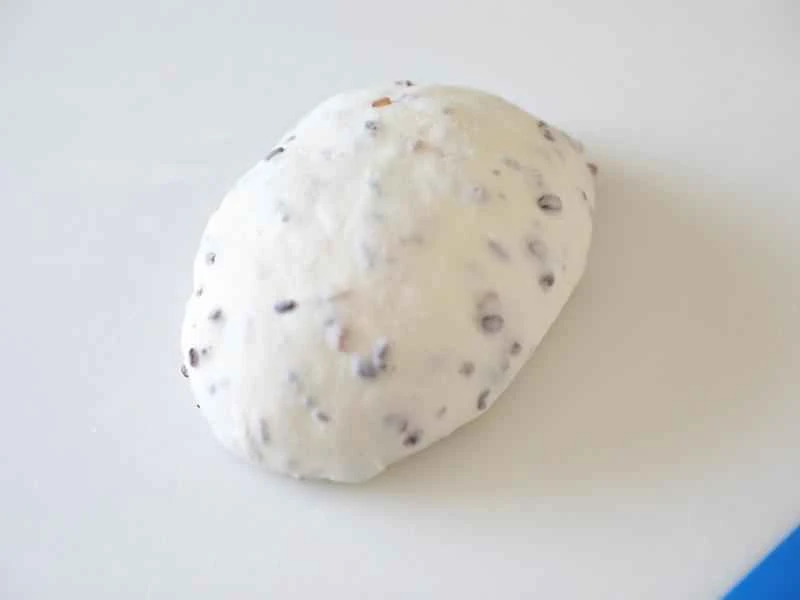
Take a relaxed dough ball and tuck the two sides inwards to shape it.
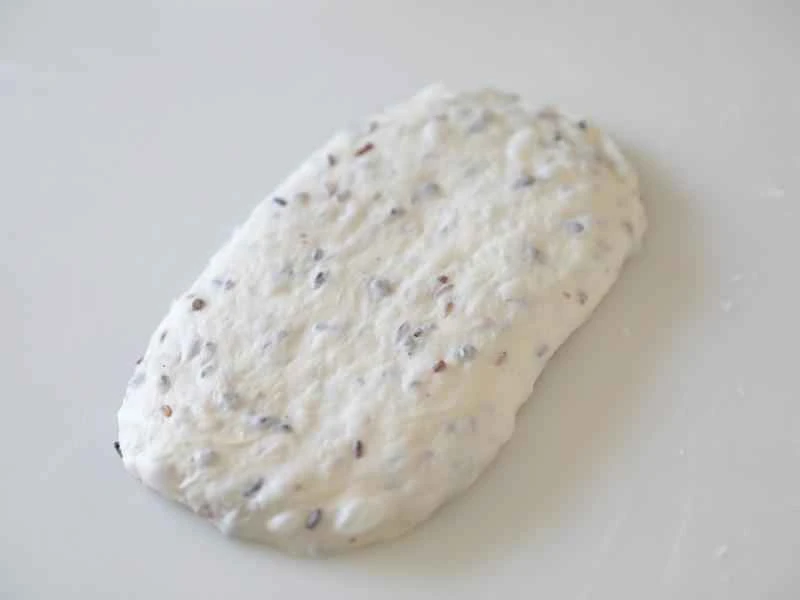
Use your palm to gently pat from the center upwards and downwards to remove large air bubbles; you can use a rolling pin to gently roll and press only the surface air bubbles to make the finished product more uniform; this is not a necessary step.
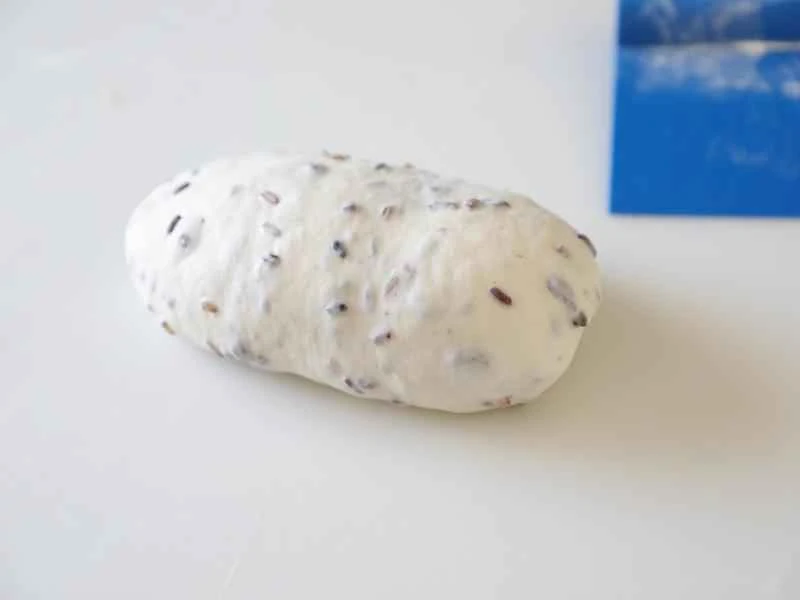
Turn it over, roll it up from top to bottom, and press the seam closed.
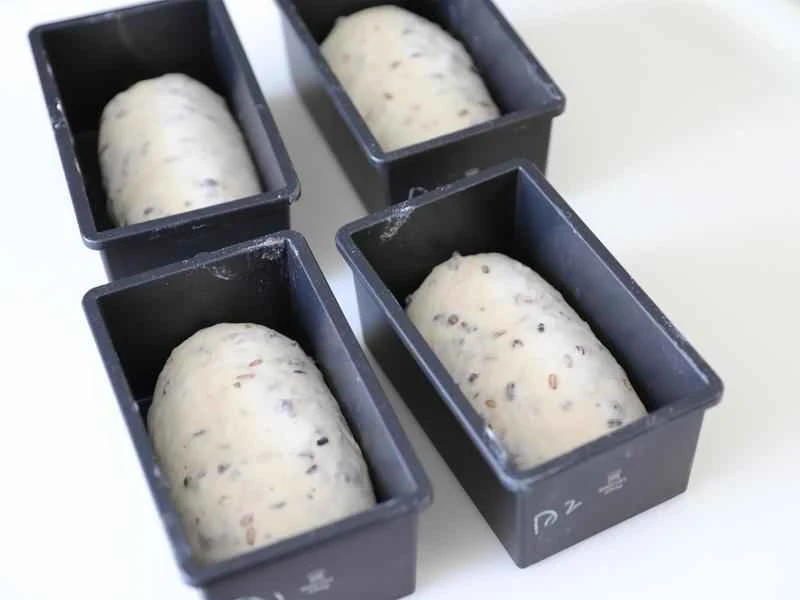
With the seam facing down, tidy up both ends and place in a loaf pan. Let it ferment in an environment with a temperature of around 32 degrees Celsius and a humidity of 80%.
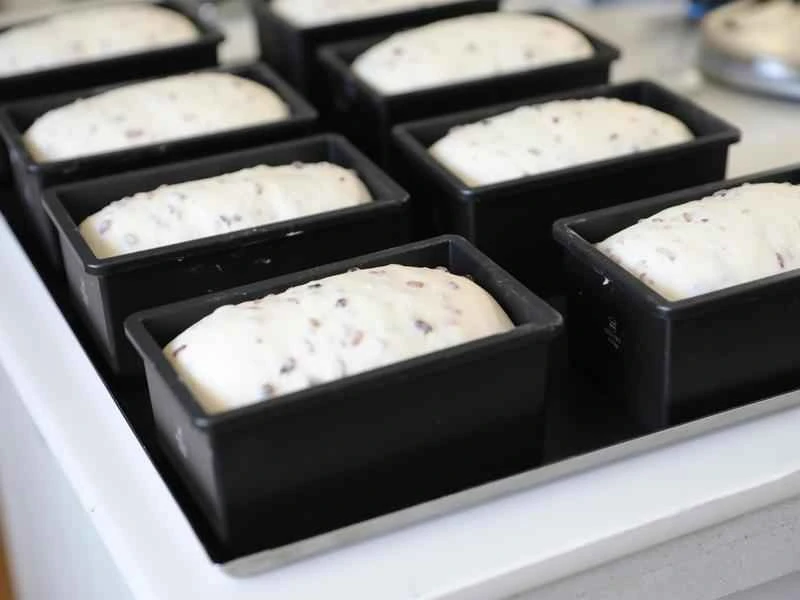
Preheat the oven 30 minutes before the end of fermentation. Once preheated, press the steam button to preheat the steam. Ferment until 90% or more.
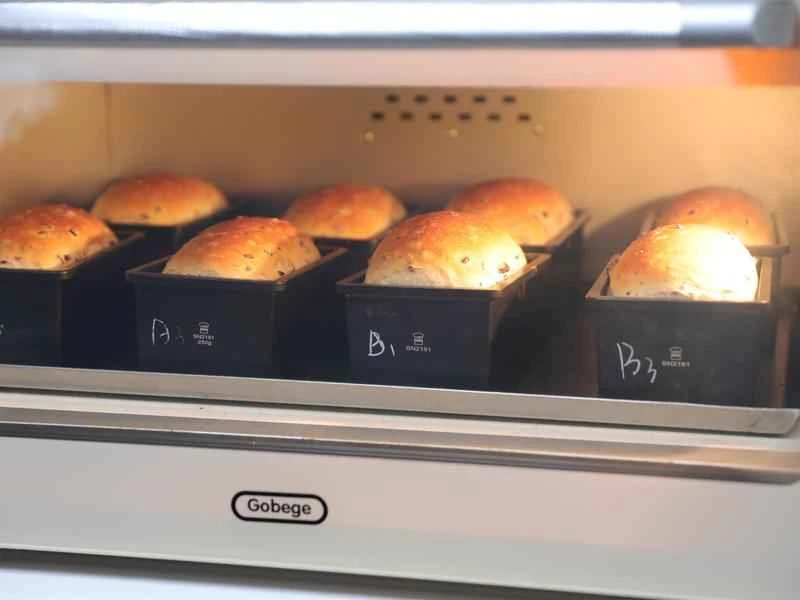
Place in a preheated GUK E9 oven, with the loaf pan on the SN baking tray. Steam for 6 seconds. For 4 loaves: bake at 190/260 degrees Celsius for 25 minutes; for 8 loaves: bake at 190 degrees Celsius (top heat) and 290 degrees Celsius (bottom heat) for 25 minutes. Note: Adjust the temperature by 10 degrees Celsius depending on the baking conditions. For the same mold, baking tray, and quantity, SP50 and AC90 ovens are recommended to use the same settings. If you are not using a baking tray at the bottom, please lower the bottom heat setting. For home ovens, 190/230 degrees Celsius is recommended.
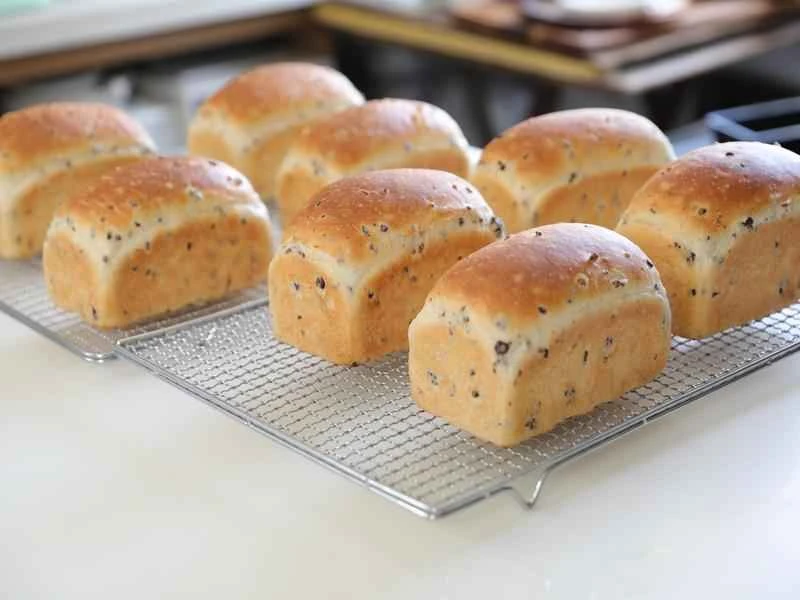
Demolding after shaking the mold after baking;