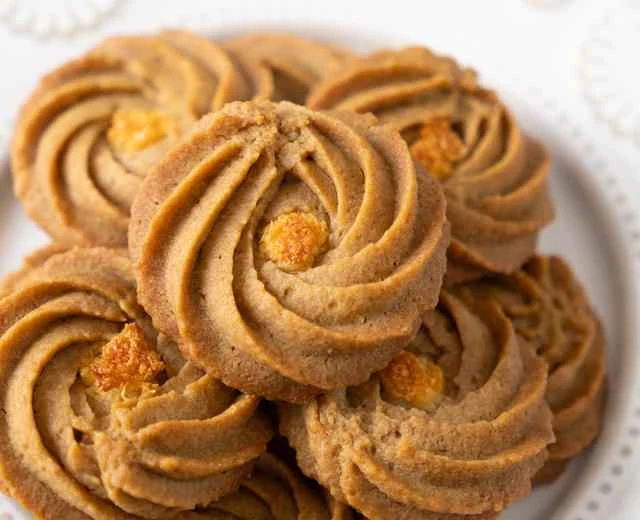
Since its inception, the coconut latte has consistently topped the beverage and dessert charts. Originally a flavored coffee, unlike a regular latte, it uses coconut milk instead of regular milk. Coconut milk contains a higher proportion of coconut oil than pure milk, which smooths the otherwise bitter coffee, and the rich coconut aroma complements the coffee's full flavor perfectly. The coffee powder we use is 100% ground coffee beans, without any additives. This results in a richer, purer flavor from the coffee powder, allowing for more flavor profile when the coconut milk is added. Unlike cocoa powder, coffee powder isn't as dark in color, so its proportion relative to flour cannot be too high, otherwise the bitterness will be overwhelming, and the "hyper-stimulation" level will be too high. Coconut milk is another key ingredient in the coconut latte. The coconut milk used in our recipe is pure coconut milk, not coconut juice or coconut milk-based coconut-flavored drinks. This type of coconut milk is often quite thick and has good emulsifying properties, blending well with butter. It contains about 20% coconut oil, which gives cookies a crisp texture similar to butter. For a more crumbly texture, cake flour is usually used to make cookies. However, if we want the cookie patterns to be clearer, we can add a certain proportion of bread flour, with a ratio of about 3:1. This strengthens the gluten in the cookie dough, making it less elastic during baking and better able to maintain the shape of the patterns. The proportion of butter added relative to the total flour is about 75%. This results in cookies that are crumbly yet crisp, rather than completely soft, which is my personal preferred texture. Using fermented butter will enhance the flavor. For making butter cookies with piping, the room temperature is best above 20 degrees Celsius. If the room temperature is too low, the cookie dough will cool down and harden, making it difficult to pipe. Even if you manage to pipe, there will be many jagged edges, severely affecting the appearance. Adding a little coconut filling to the center of the cookie not only enriches the texture but also enhances its visual appeal. The coconut filling is the same type commonly used in bread and pastries, but with increased amounts of whole egg liquid and butter to make it more fluid and easier to squeeze out.
Materials
Coconut Latte Cookies | Crispy Texture, a Coffee Lover's Favorite: Recipe and Steps
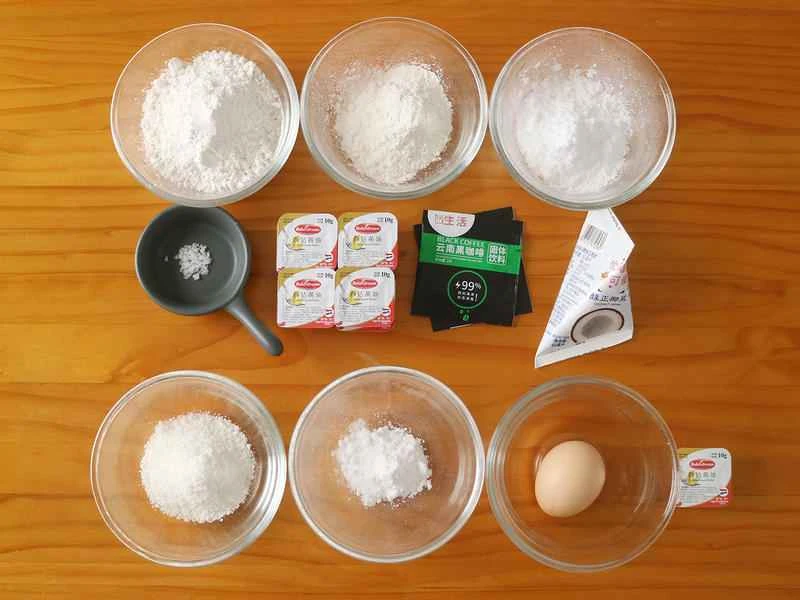
[Environment] Room temperature 21 degrees Celsius, humidity 56% [Quantity] 18 cookies [Storage] Store at room temperature in an airtight container for 10 days

First, make the cookie dough. Cut the butter into small pieces and soften it at around 30 degrees Celsius until you can easily press your finger into it.
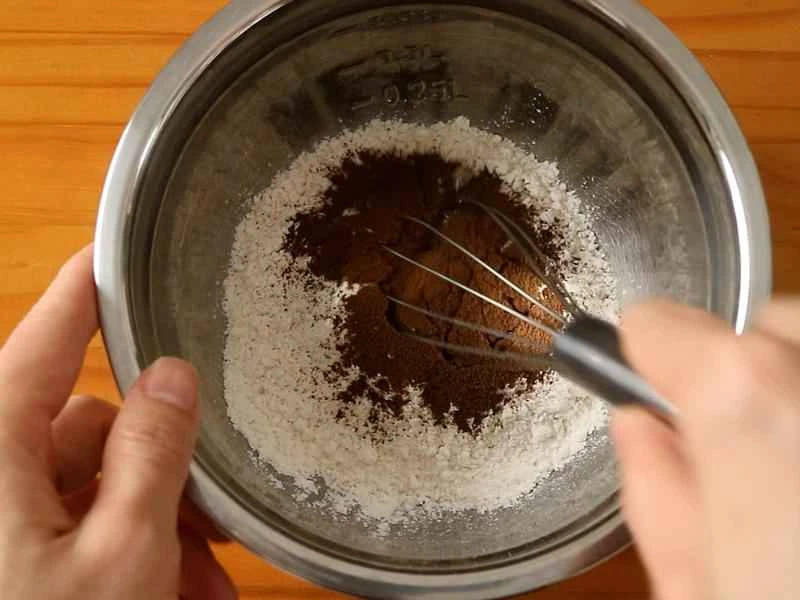
In a container, combine both types of flour and coffee powder, and mix lightly. Adding a certain proportion of high-gluten flour will increase the gluten content of the dough, making the cookie patterns clearer.
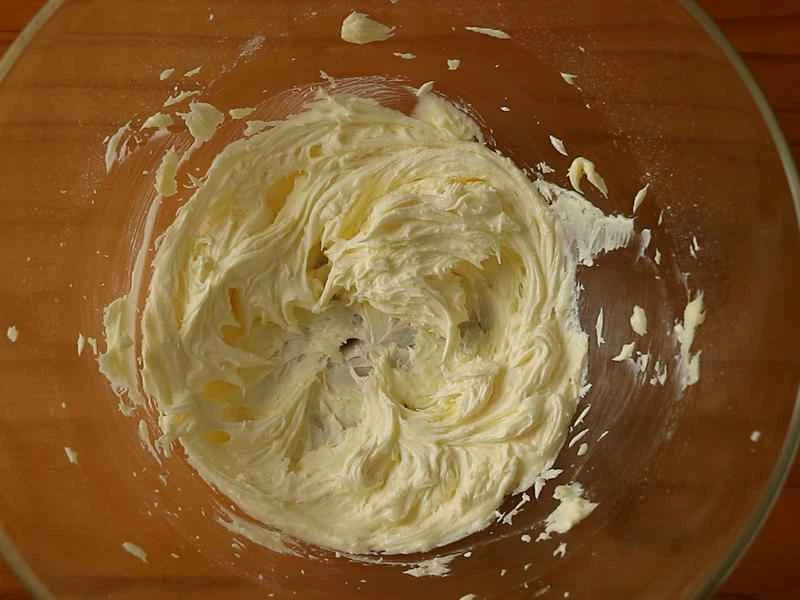
Sift powdered sugar into the softened butter, then add salt. Stir a few times to prevent the powder from splattering, then beat with an electric mixer on low speed until the mixture turns pale. Add coconut milk and continue stirring until well combined. The coconut milk should be at room temperature to prevent oil and water separation.
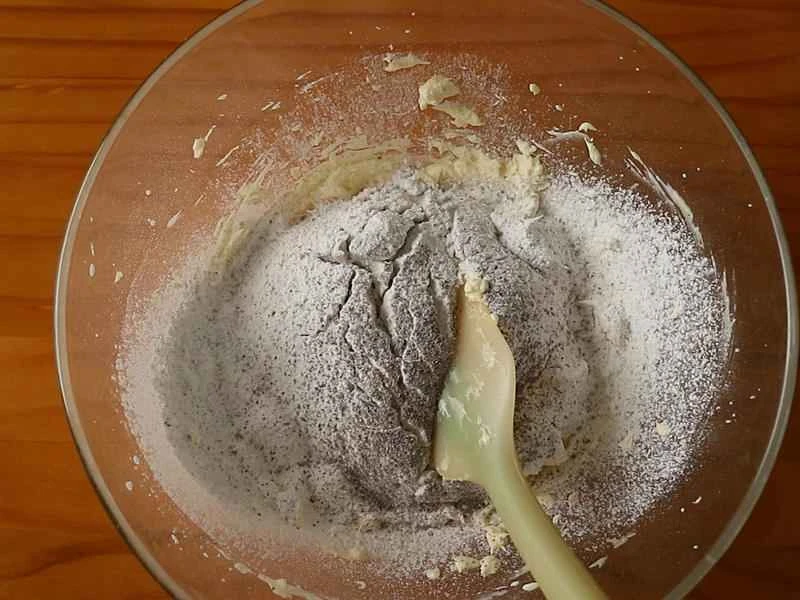
Next, sift in the three powders that were mixed earlier, and stir thoroughly with a spatula until the dry powder is completely gone.

The dough is quite soft at this stage. If the dough gets too cold, it will harden, making the piped cookies prone to jagged edges and increasing the risk of bursting the piping bag. If your room temperature is below 15 degrees Celsius, wait until spring to make them.
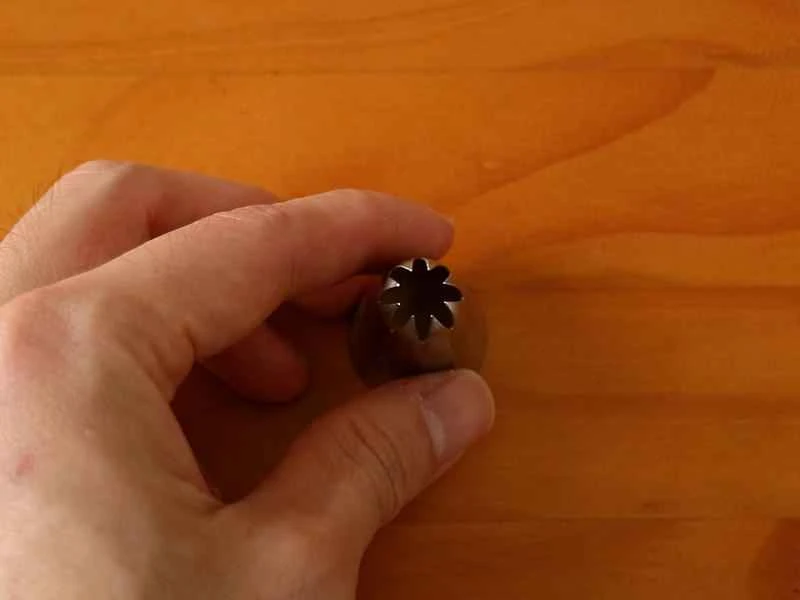
Put the piping tip into the piping bag. I used a medium-sized 8-tooth star-shaped piping tip.
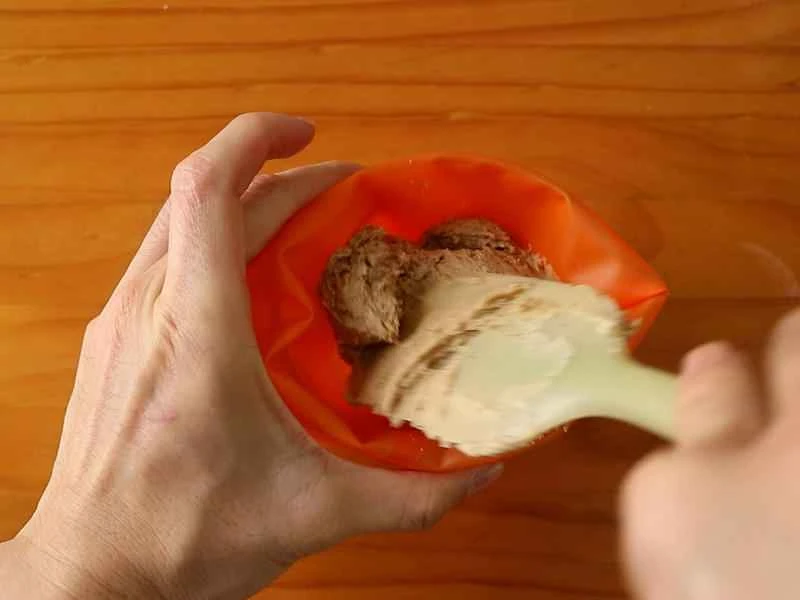
Next, put the dough into a piping bag. I recommend using a silicone piping bag, as it's less likely to burst. You'll know once you try it.
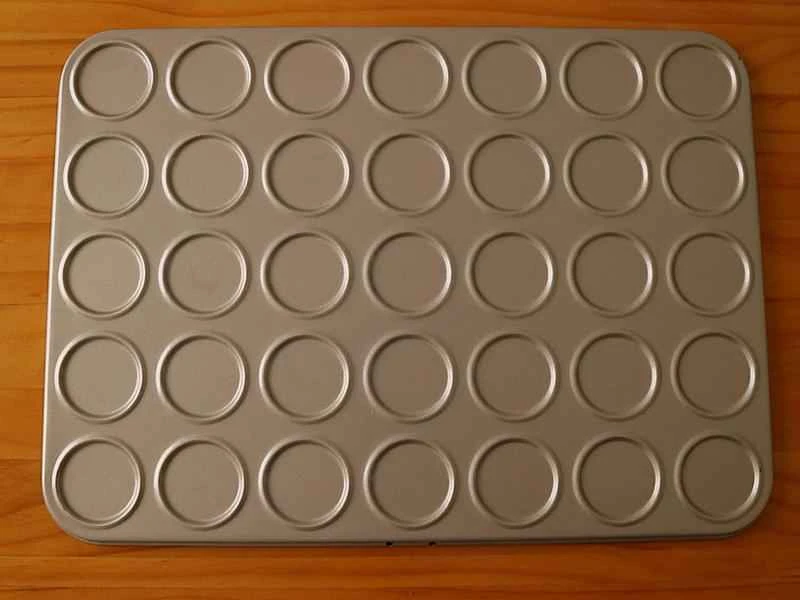
I used a cookie pan (also called a macaron pan), which is a pan with regular circles, so that the cookies piped out are more uniform in size. If you don't have one, you can use a regular baking pan lined with parchment paper.
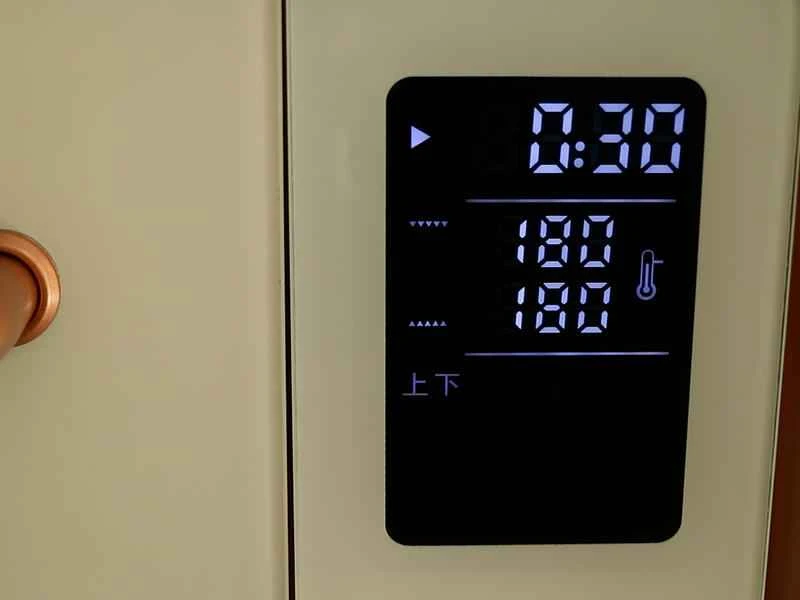
Preheat the oven to 180 degrees Celsius.

The next steps will require you to put in a lot of effort. Apply even pressure when squeezing, making the circles slightly larger so there's a small hole in the center for the filling later. When finishing, press down slightly and then quickly lift, pressing down the top protrusion with your finger to prevent burning.
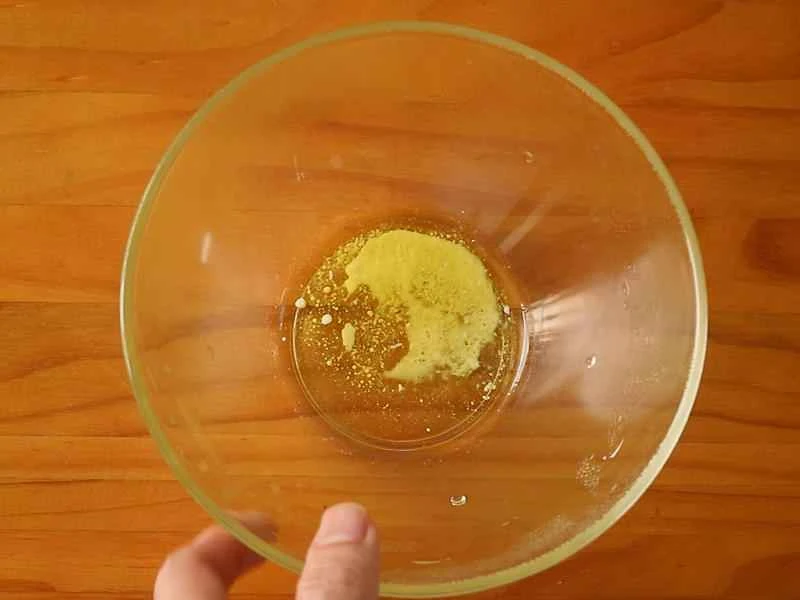
Next, we'll make the coconut filling. Melt the butter completely in a double boiler.
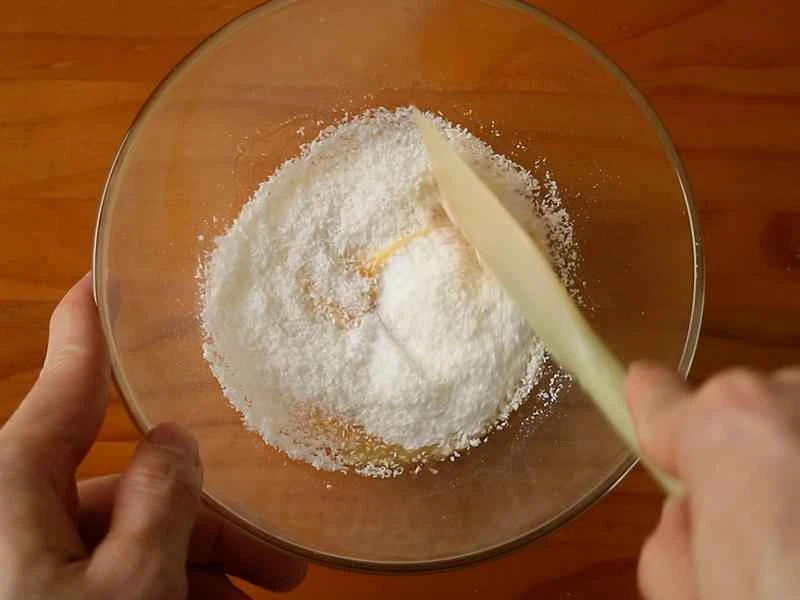
Add room temperature whole egg liquid and stir thoroughly until emulsified. Then sift in powdered sugar, add shredded coconut, and stir well with a spatula.

This coconut filling is softer than the one used for bread, making it easier to pipe. Place it in a disposable piping bag and cut a small opening of about 1.2cm.

Pipe the coconut filling into the center of the cookie dough, making sure the filling doesn't exceed the surface of the dough, otherwise it will look like Optimus Prime after baking—don't ask me how I know. You'll have a little extra coconut filling; you can save the rest for the next batch.
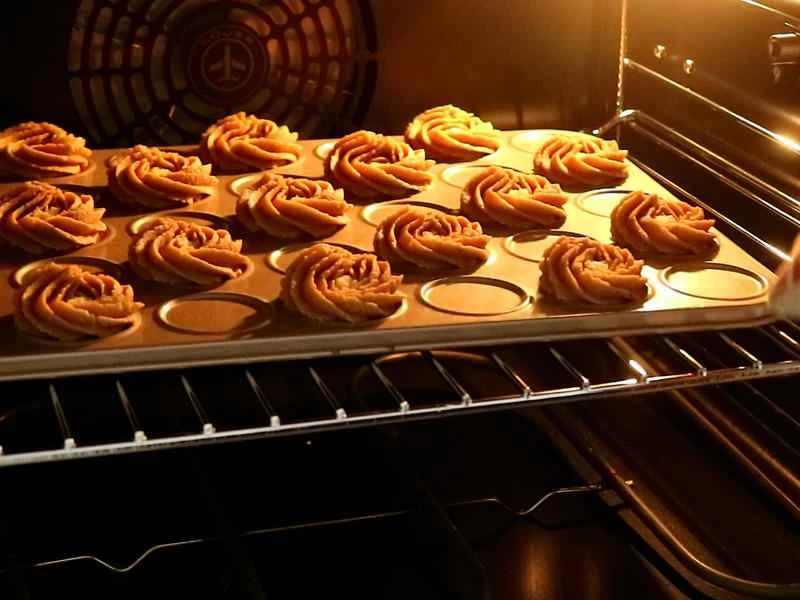
Place in the middle rack of the oven, adjust the top heat to 170 degrees Celsius and the bottom heat to 155 degrees Celsius, and bake for 20 minutes. Adjust the time according to the temperature difference of your oven.

The baking process.
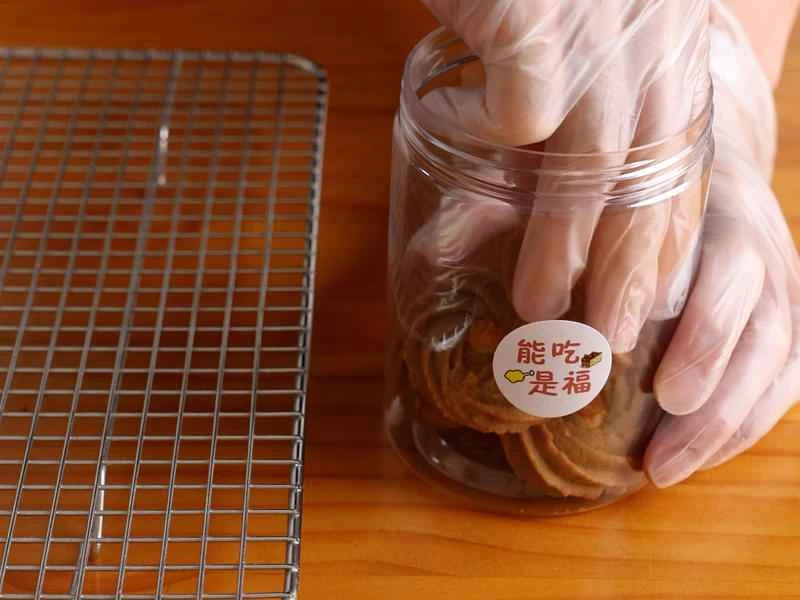
Once the baking time is up, remove the cookies from the oven and let them cool slightly and harden before transferring them to a wire rack to cool completely. After cooling, promptly store them in an airtight container to maintain their crisp texture.

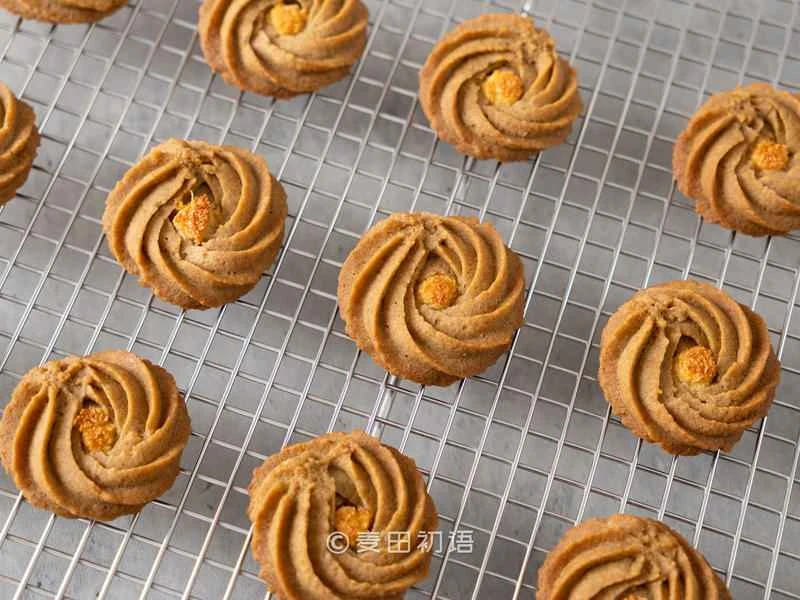
These cookies have a crunchy yet crisp texture, and the aroma of coffee and coconut is incredibly rich. Enjoy a few with a cup of coffee, and you're guaranteed to have plenty of energy for the whole day.
Finally, I've spent a lot of time and effort writing this detailed tutorial, so I'd like to ask you for a small favor: please bookmark it, submit your work, and follow me. Thank you so much for your support; I will continue to write even better tutorials in return.
Coconut Latte Cookies | Crispy Texture, a Coffee Lover's Delight
Common Problems: 1. Oil and water separation after adding coconut milk to butter: Cause: The coconut milk is too cold, causing the butter to solidify. Solution: Heat the coconut milk to about 25 degrees Celsius in a double boiler before adding the butter. 2. Cookie dough is too stiff and difficult to pipe through the piping bag: Cause: 1. The dough temperature is too low; 2. The butter ratio is too low. Solution: 1. Use room temperature ingredients; if the room temperature is too low, turn on the heater; 2. Increase the butter ratio appropriately. 3. Unclear patterns on baked cookies: Cause: Usually, the dough has too high extensibility, causing deformation after baking. Solution: Add an appropriate proportion of high-gluten flour and control the liquid (coconut milk) ratio carefully.