The recovery time for scar pain after surgery varies from person to person, and the pain usually gradually decreases within a few weeks to a few months after surgery. The speed of pain relief is affected by a variety of factors, including the type of surgery, individual constitution, and postoperative care.
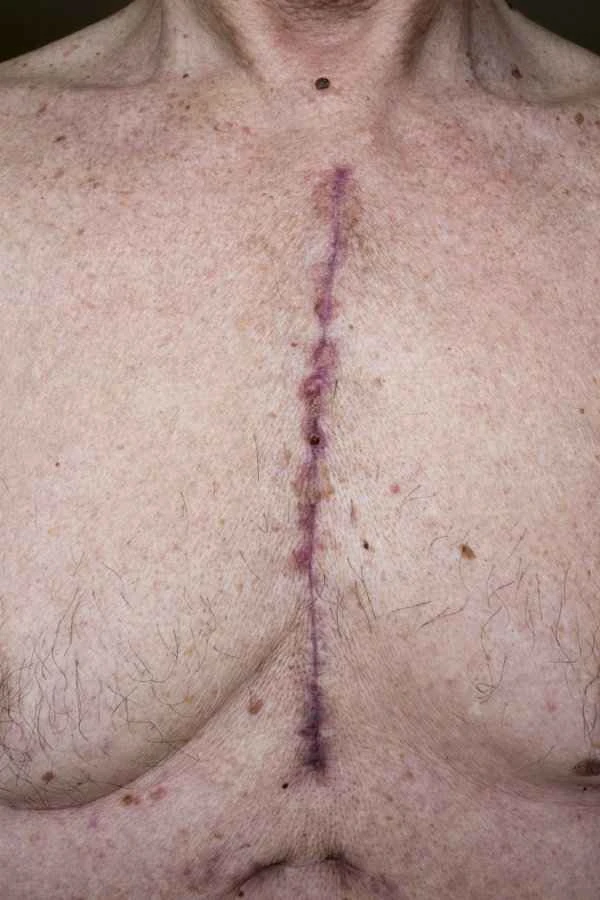
Postoperative scar pain recovery is a complex process involving multiple systems and factors in the body. Surgical trauma causes an inflammatory response in the local tissues, which is the direct cause of pain. Over time, the inflammation gradually subsides, and the pain lessens. The formation and maturation of the surgical scar is also a gradual process, and the stabilization of the scar tissue helps reduce pain. Individual differences also affect the speed of pain recovery, such as age, health status, and the presence of chronic diseases. Good postoperative care, such as regular dressing changes, avoiding strenuous exercise, and keeping the wound clean, also helps to accelerate pain relief.
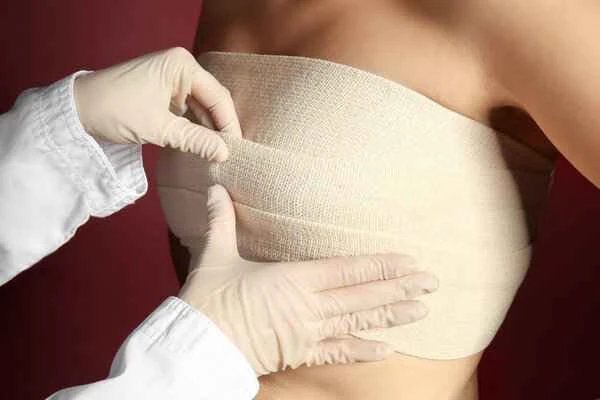
Treating postoperative scar pain requires consideration of multiple factors, including the nature and duration of the pain, as well as accompanying symptoms. Pain management is a dynamic process that may require a combination of methods, including medication, physical therapy, and psychological support. It's important to note that scar pain can persist for a long time, even becoming chronic. Therefore, during pain management, close monitoring of changes in pain is crucial, and treatment plans should be adjusted promptly. Furthermore, self-medication or unproven treatments should be avoided to prevent unnecessary risks or side effects.
[Management Tip:]
1. Keep the wound clean to prevent infection.
2. Use pain medication as prescribed by your doctor to control pain.
3. Regular follow-up examinations to monitor scar healing.
4. If the pain persists or worsens, seek medical attention promptly.