Duck farming is a business with high economic benefits and market potential. To ensure the healthy growth and high yield of ducklings, proper feeding methods and management are crucial. So, how do you raise ducklings ? Let's take a look.
1. Feed selection and formulation
The selection and formulation of feed for ducklings are fundamental to their healthy growth. Common feed types include pellets and slurries. In the early stages, finer slurries can be chosen to facilitate feeding. As they grow, they can be gradually transitioned to pellets. The feed formulation should be adjusted according to the age and growth stage of the ducklings to ensure their nutritional needs are met.
2. Feeding frequency and amount
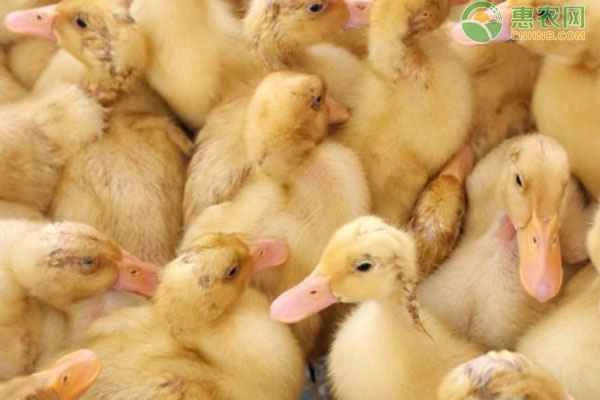
The frequency and amount of feeding for ducklings are also key factors to consider. Generally, ducklings should be fed 2-3 times a day, with each feeding spaced 4-6 hours apart. The amount of food should be adjusted according to the age and weight of the ducklings, avoiding both overfeeding and underfeeding. When feeding, ensure the feed is clean and fresh, and promptly remove any leftover feed.
3. Drinking water management
Water management for ducklings is equally important. Newly hatched ducklings do not need to eat in the first few days, but they do need to drink water. Use shallow dishes or waterers to provide clean drinking water, and change the water source regularly to keep it clean. In dry environments, the frequency and amount of water can be increased appropriately to ensure the ducklings get enough water.
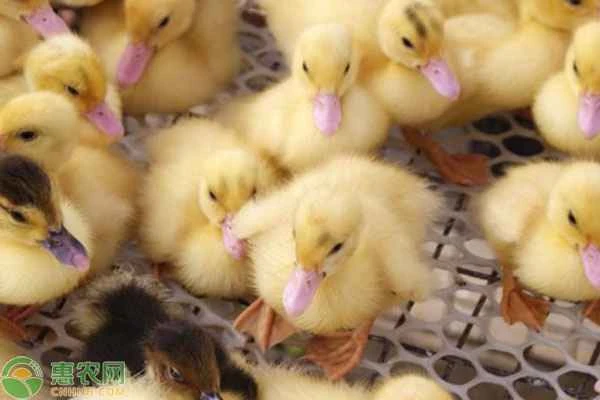
4. Temperature and environmental control
Ducklings are not very adaptable to temperature and environmental changes, so it is necessary to maintain suitable temperature and environmental conditions. In the first few days, the temperature should be kept between 32-35 degrees Celsius, decreasing by 2-3 degrees Celsius each week until it stabilizes at around 25 degrees Celsius. At the same time, it is important to maintain good ventilation and humidity in the duck house , avoiding overcrowding and excessive moisture.
5. Disease prevention and immunization
Disease prevention is crucial for ensuring the health of ducklings. During the rearing process, it's essential to observe for any abnormal symptoms and regularly check the ducklings' health. Simultaneously, it's vital to strengthen hygiene management of the rearing environment, regularly disinfecting drinking water equipment and the duck house. For common diseases such as avian influenza, it is recommended to implement preventative measures and administer vaccinations.
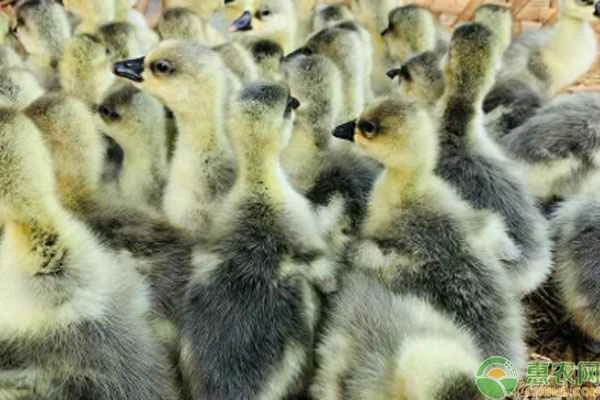
6. Growth monitoring and adjustment
During the rearing process, adjustments and growth monitoring are necessary. Regularly recording and measuring the growth and weight of the ducklings allows for timely detection of problems and appropriate adjustments. Simultaneously, close attention should be paid to water intake and feed consumption to adjust the feeding plan based on actual conditions.