Compound fertilizers are widely used in flower cultivation. They can promote nutrient absorption and synthesis in plants, improve plant immunity, and increase the fullness, color vibrancy, and nutrient content of flowers. So what happens if you add 20 granules of compound fertilizer to a potted plant? Let's find out below.
What happens if you put 20 granules of compound fertilizer in a potted plant?
It will burn the roots. It's not recommended to put too much compound fertilizer in one pot when growing flowers. Generally, for small potted plants , 3-4 granules are enough each time. For large potted plants, you can add a few more granules.
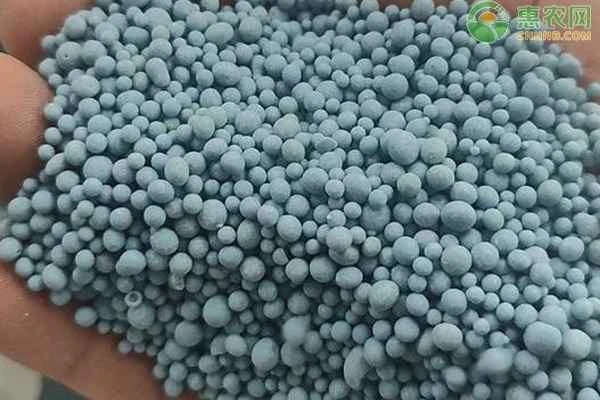
How to use compound fertilizer for growing flowers?
1. Control ratio
When using compound fertilizer to fertilize flowers, it's crucial to pay attention to the ratio. It's generally recommended to keep it at 1/1000, which is roughly 1 gram of compound fertilizer dissolved in 1 liter of water. When fertilizing, follow the principle of "applying diluted fertilizer frequently."
2. Apply fertilizer by burying it in soil.
When fertilizing flowers, you can bury the fertilizer directly in the soil, but this method is relatively risky because granular fertilizer is not easily decomposed after being buried in the soil. If it is too close to the root system, it can easily burn the roots. If you want to bury it in the soil, you must keep it away from the root system.
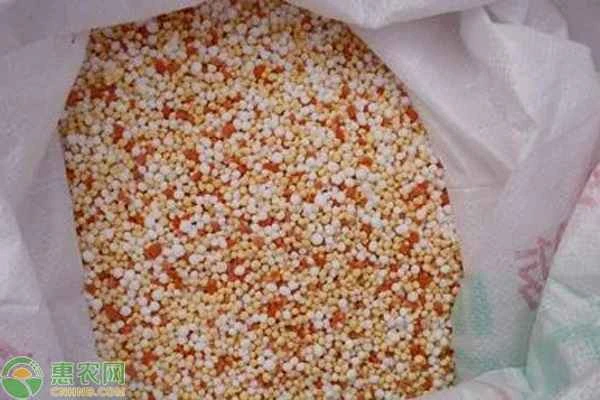
3. Irrigation and fertilization
Compound fertilizer is also a water-soluble fertilizer , so watering is a very good option. For example, fill a mineral water bottle with water (usually 500 ml), add five to ten granules of compound fertilizer, and then water the soil directly.
4. Use in combination
Prolonged use of compound fertilizers can deplete the soil's natural micronutrients from plant growth. Therefore, it's essential to use micronutrient fertilizers in conjunction with compound fertilizers to prevent issues such as yellowing leaves and slowed growth.