Apple bagging has become an important method for improving the appearance quality of apples in various regions over the past decade or so, increasing profits for fruit farmers. So how exactly do you quickly bag apples? Let's find out below.
1. Bagging time
The best time for bagging is generally from mid-to-late May to early June; it should not be done too late or too early.
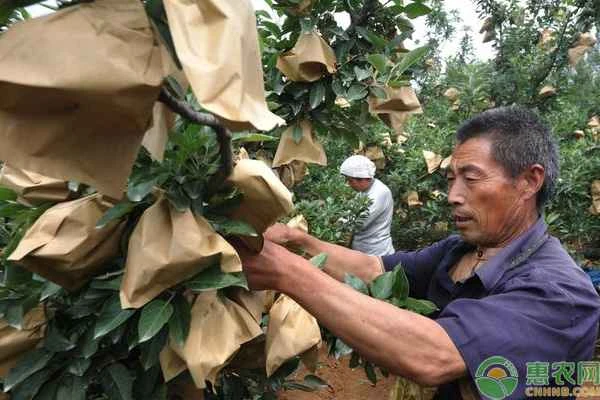
2. Choose a paper bag
Choose high-quality fruit bags. Only high-quality bags can withstand prolonged exposure to wind, rain, and sun without deforming or breaking, and they are also antibacterial and insect-resistant. It's best to buy three-color wood pulp paper bags; although they are more expensive, the quality is excellent.
3. Preparations before bagging
To make the bag opening softer and easier to close when bagging, you can lightly dampen the bag opening with water the night before bagging to soften it. Also, carefully check if there are ventilation holes on both sides of the bottom of the bag. If not, or if they are not suitable, you will need to recut the ventilation holes.
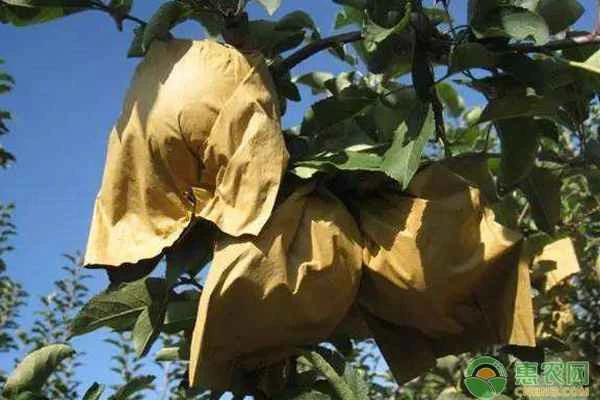
4. Bagging method
First, open the bag. Use your hand to open the air vent, and use your other hand to support the bottom of the bag, shaping it like a lantern. Hold the bag firmly on both sides of the middle, allowing the apple to safely enter. Tuck the stem into the bottom of the central slit, with the side with the wire pressing down on the other side. Fold the slit tightly with your right hand. With your left hand, press the wire-covered side backward, keeping the top of the bag flat, and pinch firmly. Then, use your right hand to fold the remaining right side towards the left, making the top of the bag parallel. Finally, fold the wire forward in half and press it firmly.
5. Pay attention to the order.
When bagging the fruit, put the bag on the tree first, then the bag on the ground, and put the bag on the inner part of the fruit first, then the outer part. After bagging, gently lift the bottom of the bag so that the young fruit is suspended in the air inside the bag and does not stick to the bag wall to prevent sunburn. Also, do not bag the fruit when it is raining, when there is dew on the leaves, when it is hot at noon, or when it is windy.
6. Precautions
When bagging fruit, any deformed, diseased, or densely packed fruit that was missed during thinning should be removed to ensure the quality and quantity of the remaining fruit.