Corn is widely cultivated in my country, but the quality and yield of corn vary depending on the planting level and techniques used in different regions. So, what cultivation techniques are needed to achieve high yields and high efficiency in corn cultivation? Let's find out below.
1. Scientific seed selection
To achieve high yields, it is best to select early-maturing, high-density-tolerant, and lodging-resistant high-yielding corn varieties. After purchasing the seeds, soaking, drying, and mixing them with chemicals can help ensure a high germination rate.
2. Fertilize the soil
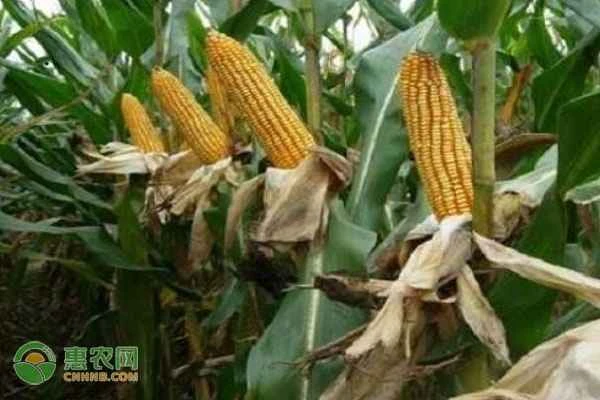
To ensure that soil moisture and nutrients can be absorbed more effectively by corn roots, scientific land preparation is essential. First, soil fertility should be improved by applying fully decomposed organic fertilizer and bio-fertilizer to enhance soil aggregate structure, improve soil aeration and water and fertilizer retention capacity, ensure uniform seedling emergence and strong seedling vigor, and ensure high-quality and high-yield production in the middle and late stages.
3. Scientific sowing
First, the sowing depth should not be too deep, depending on the specific soil conditions. Under normal circumstances, a depth of 3-5 cm is sufficient. If the field is somewhat dry, the sowing depth can be appropriately increased to 5-7 cm, but it should not be less than 3 cm. In addition, special attention should be paid to the sowing density. Too dense or too sparse a planting will not allow the yield to reach its maximum. However, the sowing density is not a fixed value and needs to be determined based on factors such as the variety and soil conditions.
4. Water and fertilizer management
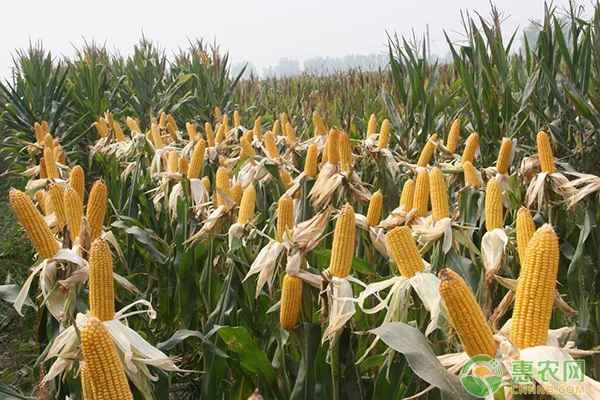
Because corn stalks are relatively thick, they require a large amount of water and fertilizer , which is crucial for ensuring high-quality and high-yield corn production. Special attention should be paid to irrigation during several growth stages, such as sowing, seedling, tasseling, and flowering/filling. If the field becomes too dry during these periods, timely irrigation is necessary. For fertilization, sufficient base fertilizer should be applied, followed by periodic topdressing, and foliar fertilizer should be sprayed later in the growth cycle depending on field conditions.
5. Harvest at the right time
Harvest corn when the kernels are fully mature. The signs of physiological maturity in corn are the disappearance of the milk line in the kernels and the appearance of a black layer at the tip of the kernel. Harvesting at this time can ensure a high yield and avoid premature harvesting.