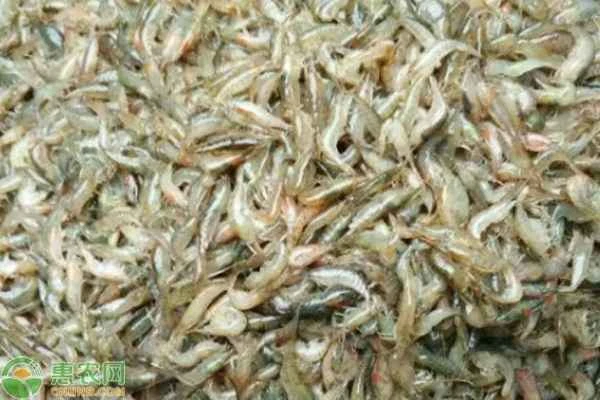
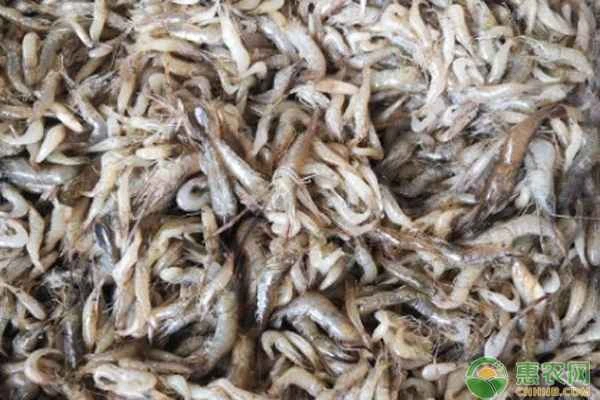
Small shrimp are actually very small shrimp. Don't let their small size fool you; they are not picky eaters and are easy to raise. So, what do small shrimp eat to keep them alive? Let's find out below.
What should small shrimp eat to keep them alive?
Small shrimp have a varied diet, typically feeding on algae, plankton, and organic residue in the water. In artificial breeding, they can be fed fine rice bran, bread crumbs, breadcrumbs, fly larvae, minced fresh fish meat, tubifex worms, and specialized feed, among other things.
What are the techniques for raising small shrimp ?
1. Water quality
Good water quality is essential for raising small shrimp; ideally, they should be raised in flowing water such as rivers or streams. If this is not possible, tap water can be used, but it should be exposed to sunlight for 3-5 days before use. Furthermore, it is best to change the water every 1-2 days.
2. Water temperature
When raising small shrimp, it is recommended to keep the water temperature between 22-25℃, as this is very beneficial for their growth. The water temperature should not be too low, otherwise the small shrimp will grow very slowly and will be prone to disease.
3. Feeding
Small shrimp are omnivorous and can be fed aquatic insects, plant fragments, organic debris, fish food, etc., once a day. It is important not to overfeed them to avoid food scraps rotting in the water and polluting it, and also to avoid waste.
4. Disease prevention
Regularly inspect the shrimp's body surface and intestines, and treat any parasites promptly. Additionally, antibacterial drugs such as oxytetracycline and florfenicol can be added to the feed for prevention. Of course, proper disinfection is also crucial; regularly disinfect the aquaculture ponds and tools to reduce the spread of pathogens.
5. Management
Regularly inspect the ponds to observe the growth of the shrimp and adjust the feeding amount and method accordingly. At the same time, implement disease prevention and escape prevention measures to ensure the safety of the aquaculture.