Curling of chili pepper leaves can affect the normal photosynthesis of chili peppers, leading to reduced yield. Therefore, it is important to prevent and control chili pepper leaf curl virus in a timely manner. So, what medicine can be used to treat chili pepper leaf curl virus? Let's take a look below.
1. What medicine should be used to treat pepper leafroll virus?
1. Choosing medication
For chili pepper plants that show signs of leaf curling and wilting, you can generally spray the leaves with a mixture of 1000 times diluted miticide, 600 times diluted plant virus vaccine, and 1500 times diluted Shennongsu chelated fertilizer. Spray the leaves once every 7-10 days, for 2-3 consecutive times.
2. Other prevention and control methods
① Disease-resistant chili pepper varieties should be selected, such as Zhongjiao No. 2 and Jinjiao No. 3. Before sowing, the seeds can be soaked in 0.1% potassium permanganate solution for 30 minutes, then rinsed clean and then germinated before sowing.
② When cultivating, it is important to avoid planting sugar beets, as sugar beet top virus can easily cause pepper leafroll virus disease. However, intercropping with corn is acceptable. When peppers enter the early stages of flowering and fruiting, corn can attract aphids and also provide shade for the peppers, thus reducing the chance of pepper leafroll virus disease.
③ Starting from the seedling stage of chili peppers , it is necessary to spray pesticides such as imidacloprid in a timely manner to eliminate insects that transmit the virus, such as aphids and leafhoppers.
II. What causes pepper leaf curl virus?
1. Reasons
① If chili peppers are cultivated in low-lying areas or are continuously cropped with solanaceous crops, the occurrence and spread of this disease are more likely to occur.
② In dry and hot weather, the disease resistance of peppers is usually reduced, and pests and diseases are more likely to occur. In particular, aphids can transmit the virus, which makes pepper leaf roll virus disease more likely to occur. This disease usually occurs more severely in environments with strong sunlight.
③ This disease is also prone to occur when the land is deficient in fertilizer and water, resulting in poor plant growth.
2. Symptoms
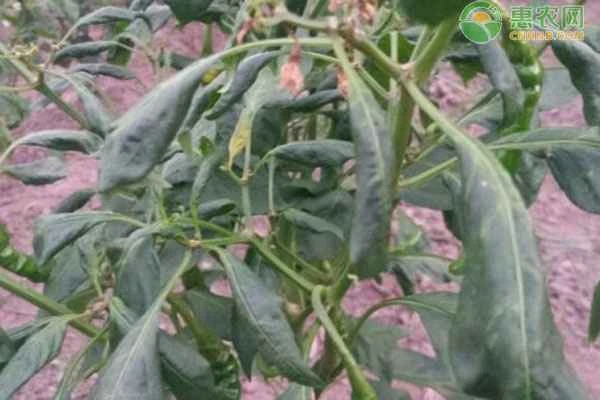
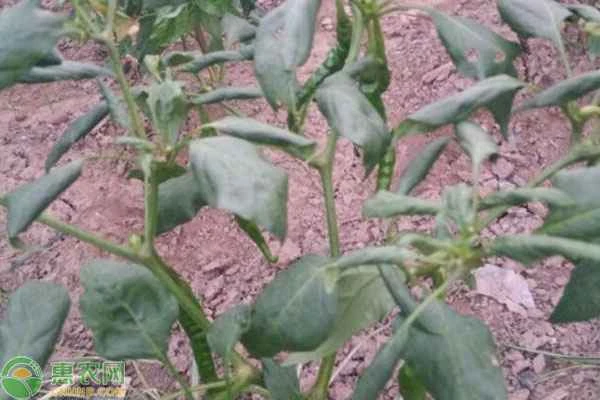
①The pepper and sweet pepper virus disease caused by beet top virus is characterized by petioles that bend downwards, young leaves that curl noticeably, and the leaf margins of older leaves that curl upwards.
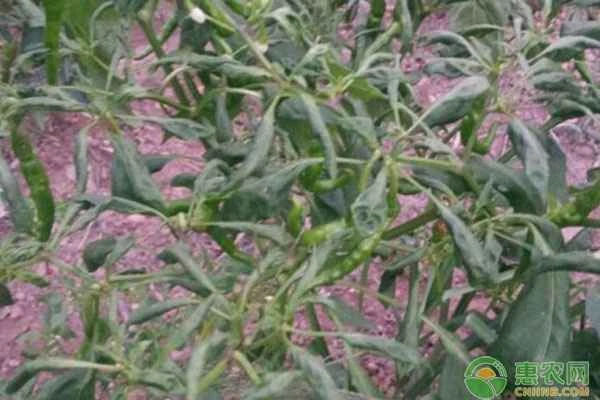
② For some plants that develop the disease early, there will usually be obvious stunting and yellowing, resulting in no fruit or few fruits. Even if fruits are produced, they will be deformed or smaller.