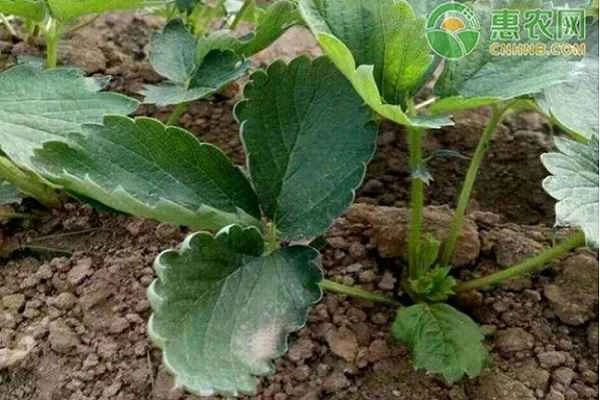
The optimal spraying temperature for wheat herbicides is between 10-24℃. Application should only be done when the wind is light (below level 3) and the temperature is consistently above 10℃. Therefore, wheat herbicides should generally not be applied when the temperature is between 0-7℃.
Can wheat herbicides be applied at temperatures between 0 and 7 degrees Celsius?
If the wheat was sown in early to mid-October, the best time to spray herbicides is when the wheat has grown to 3-5 leaves, which is generally around early to mid-November. At this time, the temperature in some areas is around 20 degrees Celsius, which is more conducive to the effectiveness of herbicides.
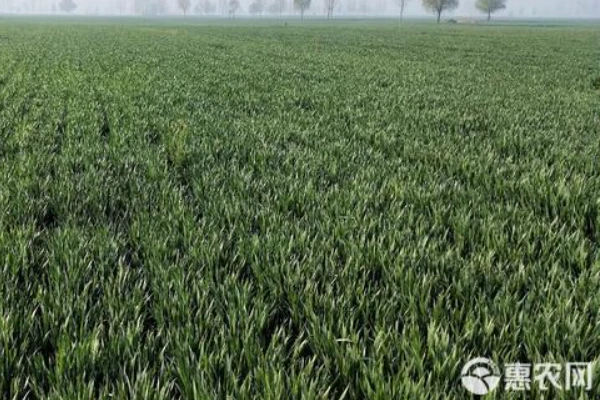
For some farmers who planted their wheat late, by the time the wheat reached the 3-5 leaf stage, it would be late November or December. At this time, many winter wheat planting areas had already experienced a drop in temperature, with temperatures ranging from 0 to 7 degrees Celsius, which is not suitable for applying wheat herbicides.
How to apply herbicides to wheat?
1. Usage time
The optimal time to apply herbicides to wheat is around 40 days after sowing, at the four-leaf stage, which is early to mid-November in northern wheat-producing areas. This is because at this stage, wheat is a seedling, and weeds are relatively young and less resistant to herbicides, making them more effective. Satisfactory weed control can be achieved without increasing the dosage. Furthermore, herbicides are temperature-sensitive; low temperatures can affect their effectiveness. In early to mid-November, before winter, the average temperature is usually no lower than 8°C, making this a good time for herbicide application.
2. How to use
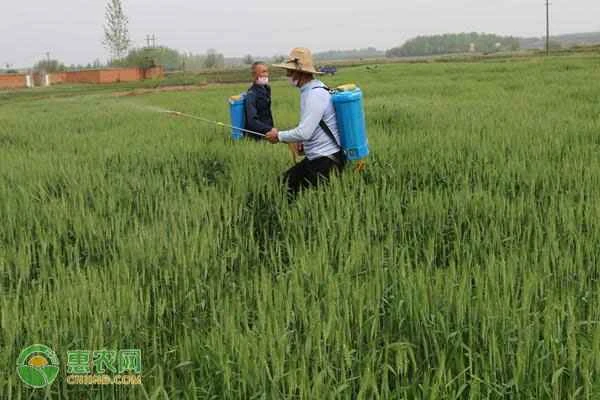
When wheat is in the 3-4 leaf stage and weeds are in the 2-3 leaf stage, use 0.9-1.8 g/mu of 75% bensulfuron-methyl dry suspension + 16-27 g/mu of cypermethrin, diluted in 30 kg of water, mixed and then sprayed evenly. Alternatively, cypermethrin can be mixed with isoproturon, atrazine, 2,4-methyl-4-chloropropionic acid, 4-D propionic acid, etc., to broaden the range of weeds that can be controlled and improve the control effect.
3. Precautions
Wheat herbicides should be applied on windless days to ensure efficacy and avoid herbicide damage. When spraying herbicides, pay attention to temperature changes, as herbicides require time to work. To guarantee effectiveness, check the weather forecast before spraying; ideally, there should be no rain within a week.

![[Jellycat Series] Eggplant Soft European Bread with Mochi, Pork Floss, and Red Bean Filling - Kids Love It! A Low-Oil, Low-Sugar Recipe for Parent-Child Baking](/upload/20260210/d9b3bf29d1e053.webp)