The waterhen, also known as the tiger frog or field frog, is popular among consumers for its unique flavor and high nutritional value. However, due to habitat destruction and overhunting, the tiger frog population in the wild is declining. So, what level of protected animal is the waterhen? Details are as follows:
What level of protection does the waterhen belong to?
The term "water chicken" generally refers to the tiger frog. It is a common aquatic frog, commonly known as a water chicken or field frog, and is a Class II protected animal in China.
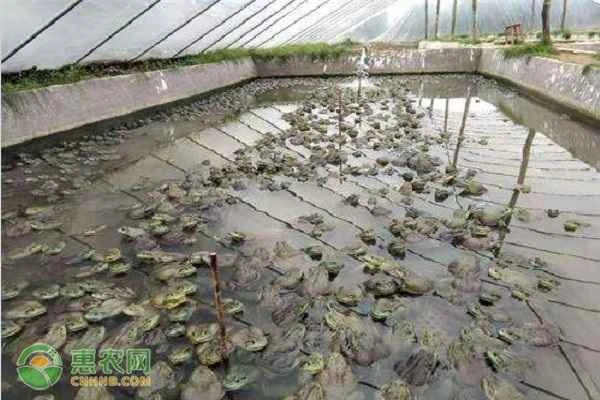
What's the difference between a frog and a field frog ?
1. Variety differences
The frog usually refers to the black-spotted frog , while the field frog usually refers to the tiger frog. They are not the same species.
2. Differences in appearance
Frogs are generally 70-80mm in length, with a smooth, yellowish-green, dark green, or grayish-green back. Their heads are flat, slightly triangular, with a slightly pointed snout, and the head length is slightly greater than its width. Their forelimbs are short, while their hind limbs are long and well-developed. In contrast, field frogs are larger than frogs, with a yellowish-green or grayish-brown back, rough skin, no lateral folds, and dark, irregular markings on the sides of their head and body. Their throat and chest have grayish-black or brown markings.
3. Differences in Reproduction
Frogs breed from April to July, and they usually croak after rain to attract females to lay eggs; while field frogs breed from May to August.
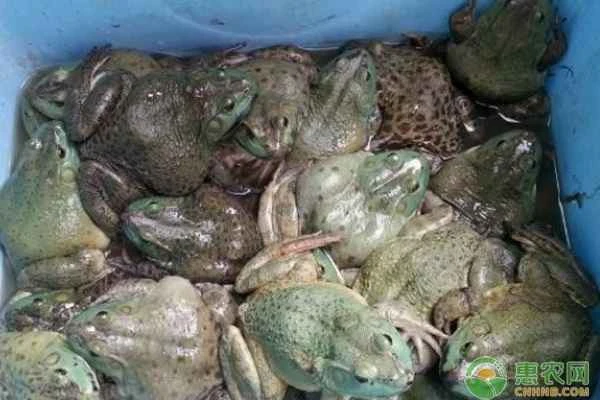
4. Dietary differences
Frogs are omnivorous, with plant-based foods making up only about 7% of their diet and animal-based foods making up about 93%. Their main food sources include rice leaf rollers, rice stem borers, rice leaf beetles, armyworms, corn borers, and cotton bollworms. In contrast, field frogs have a wider diet, mainly feeding on beetle insects, as well as spiders, earthworms, myriapods, shrimp, crabs, loaches , and animal carcasses.
5. Habitat
Frogs mostly live in fields, ponds, or grassy areas; while croakers mostly live in water .