With prolonged continuous cropping, soil health is a serious concern. Therefore, soil testing to understand the specific conditions of the soil is crucial for subsequent soil remediation and adjustments to farming methods. However, many people lack the technical expertise. So, what kind of organization can help with testing? Details are as follows:
Which organization should I contact for soil testing?
For soil testing, you can contact the China Geological Survey. The China Geological Survey is a vice-ministerial-level public institution directly under the Ministry of Land and Resources. According to the national land and resources survey plan, it is responsible for the unified deployment and organization of national basic, public-interest, and strategic geological and mineral exploration work.
What are the sampling methods for soil testing?
1. Sampling time
Soil samples are typically collected after all autumn crops have been harvested or before spring fertilization has been applied. During sampling, the depth and amount of soil collected at each sampling point should be uniform.
2. Sampling location
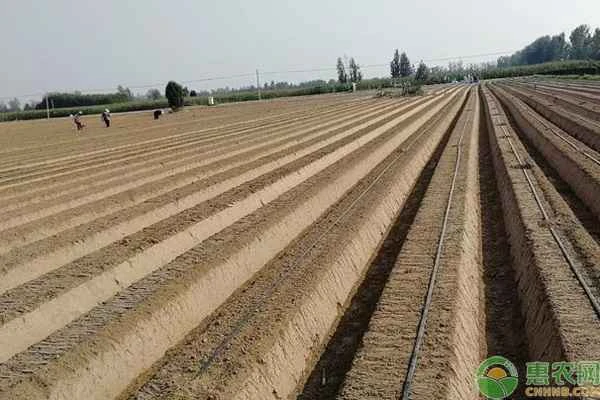
The number of samples is determined based on the area occupied by the soil to ensure sufficient sampling points. Generally, 3-5 points are taken for about one acre, 7 points for 2-3 acres, and the number of sampling points increases with the area. The sampling location uses the five-point method, S-shaped sampling, etc.
3. Sampling tools
The two most commonly used professional tools for soil sampling are small shovels and soil drills. Farmers usually choose shovels or small shovels when collecting soil samples themselves.
4. Sampling Method
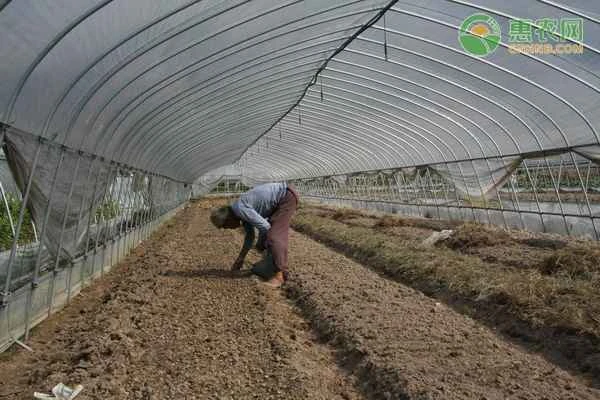
For each soil sample, select 3-5 points. When sampling at each point, remove the topsoil and insert the soil auger vertically into the soil to a depth of 5-25 cm, mainly into the root distribution layer. Take 1-2 kg of soil at each point.
5. Record the samples submitted for testing.
Make thorough records of the soil sample collection site. After collection, place the soil samples in sample bags, seal them, and label them with the sampling number, name, sampling depth, sampling location, and other information. Then send the samples for testing. The testing organization can be the China Geological Survey, etc.