Corn is one of the most important food crops, with a very large planting area. However, it is frequently affected by pests and diseases during cultivation, leading to reduced yields and impacting the profitability of farmers. Ear rot is one of the more serious diseases affecting corn. So, what are the methods for controlling corn ear rot? Let's take a look.
I. Causes of the disease
The occurrence of ear rot is related to the resistance of the variety and is also closely related to the climate. If the corn ears in the field are eaten by pests, the ear rot will be more severe. Corn ear rot is a disease caused by infection with a variety of pathogens, mainly caused by nearly 20 kinds of molds such as Trichoderma, Aspergillus, Penicillium, Cladosporium, Fusarium moniliforme, and Fusarium graminearum.
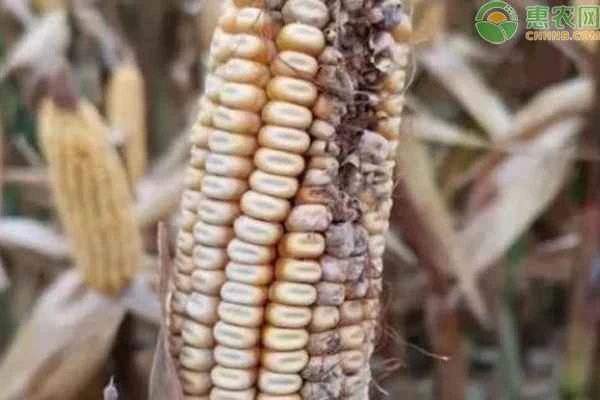
II. Symptoms of the disease
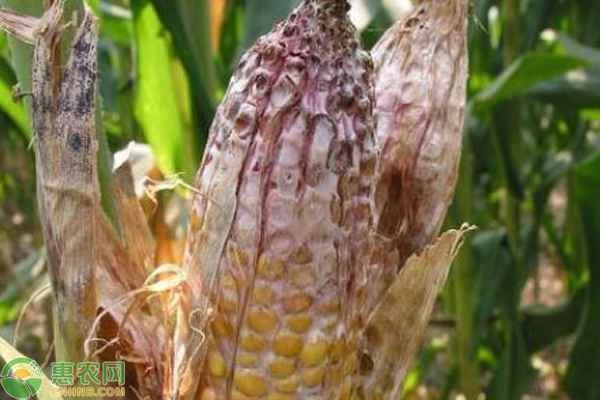
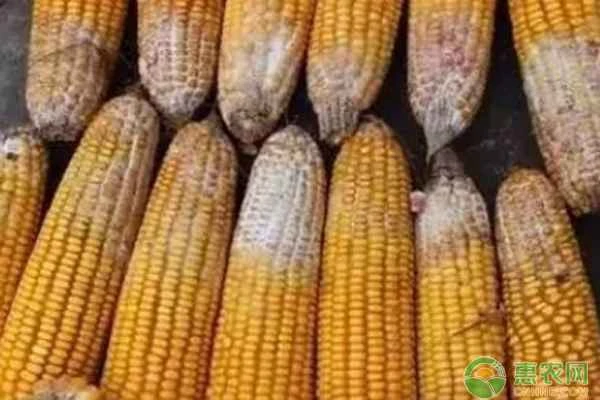
Corn ear rot primarily affects the kernels and ears of corn. Infected ears show discoloration at the top center, ranging from blackish-gray to pink, due to conidia produced by the ear rot pathogen. Infected kernels become shriveled, dull, and hollow due to the presence of abundant mycelium inside. The husks of diseased ears adhere to the ear and are difficult to remove, often becoming pierced by mycelium. Stored corn is also susceptible, exhibiting conidia of various colors and a musty odor.
III. Prevention and Control Measures
1. Physical prevention and control measures
(1) Reasonable dense planting
Reducing field humidity through reasonable dense planting is an important measure for disease prevention. Generally, the density of spreading and intermediate varieties should be below 4,000 plants per mu, while the density of compact varieties should be 4,000-4,500 plants per mu.
(2) Eliminate pathogens
Eliminating pathogens in the field is an important measure to prevent and control this disease. When harvesting corn, the corn stalks in the field should be thoroughly rotted in the soil during deep plowing or burned to prevent pathogens from breeding.
(3) Apply fertilizer rationally
Soil testing and fertilizer recommendation should be adopted to ensure a reasonable combination of potassium, phosphorus, nitrogen and trace elements.
2. Chemical control measures
During the heading stage, spray with a 1000-fold dilution of 50% thiophanate- methyl wettable powder or 50% carbendazim wettable powder, using 50 kg of solution per acre, focusing on the lower stems, leaves, and ears, spraying once every 7 days. At the initial stage of disease, spray the ears with 5% jinggangmycin aqueous solution, using 50-75 ml per acre, diluted in 75-100 kg of water, or spray with a 1500-fold dilution of 50% benomyl wettable powder or a 700-800-fold dilution of 50% carbendazim suspension. Treat 1-2 times depending on the severity of the disease.