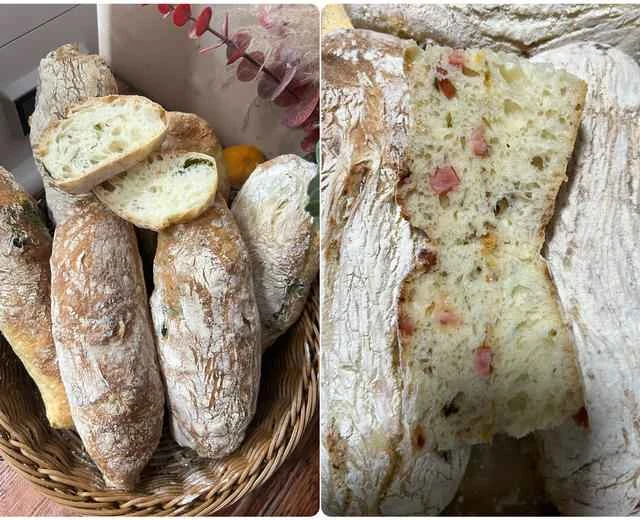
Everything can be made into chapata, and chapata tastes good no matter what you fill it with! Today I'm using cilantro and ham/mushroom/pork floss, but feel free to use either! For the original flavor, please refer to my previous recipes!
Materials
Steps for making Cilantro/Ham, Mushroom, and Pork Floss Chapata (filling can be substituted as desired)
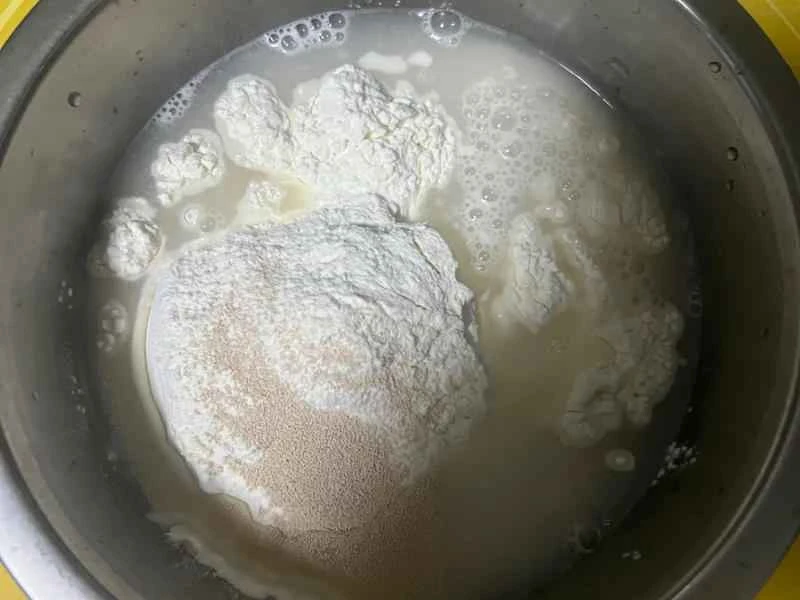
All the wonderful flavors of bread begin with this bowl of "starter." It gives the finished product excellent moisture retention, prevents it from hardening even when cooled, and releases a subtle fermented, tangy aroma. Ingredients: 100g high-gluten flour, 100g water, 1g dry yeast. Weigh all the ingredients into a small bowl.
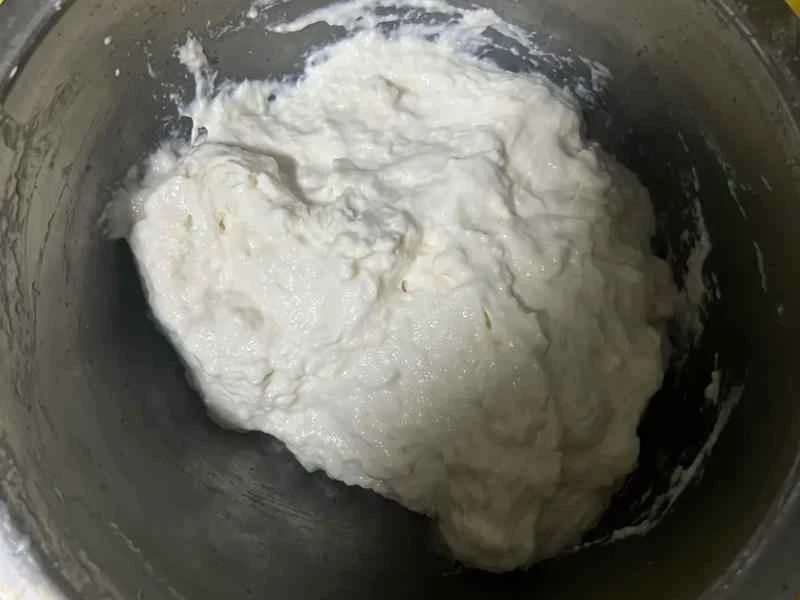
Use a spatula to mix until there is no dry powder left; do not overmix.
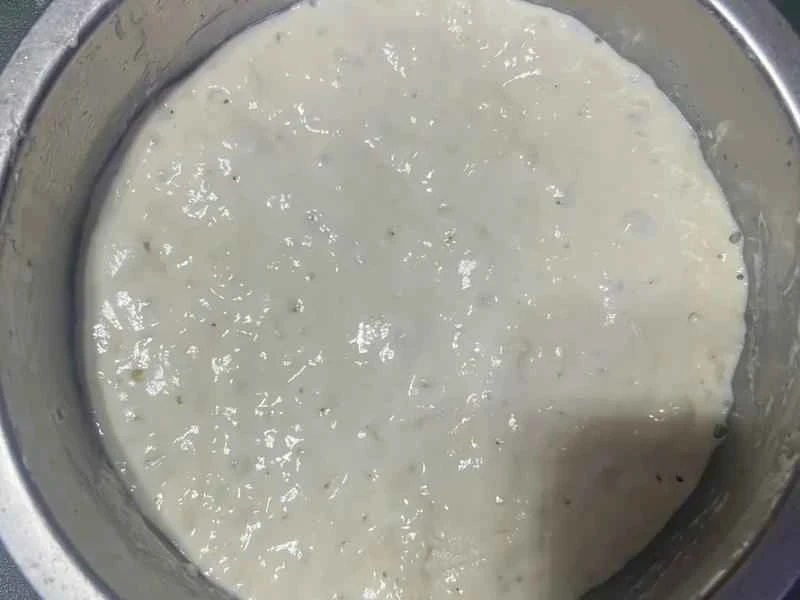
Cover with plastic wrap and let it sit at room temperature for 1 hour. Observe if it has slightly expanded, then refrigerate for at least 12 hours to ferment. A successful Polish starter will have a slightly sour taste, expand to 2-3 times its original size, have bubbles on the surface, and be filled with a uniform honeycomb-like network of holes inside.
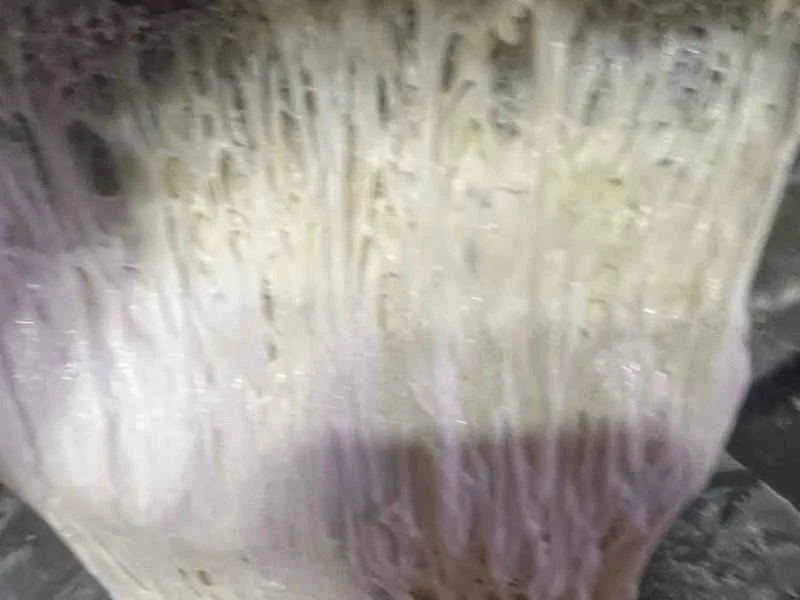
Combine all the Polish starter, 500g high-gluten flour, 350g ice water, 3g dry yeast, and 10g salt in the mixing bowl of a stand mixer.
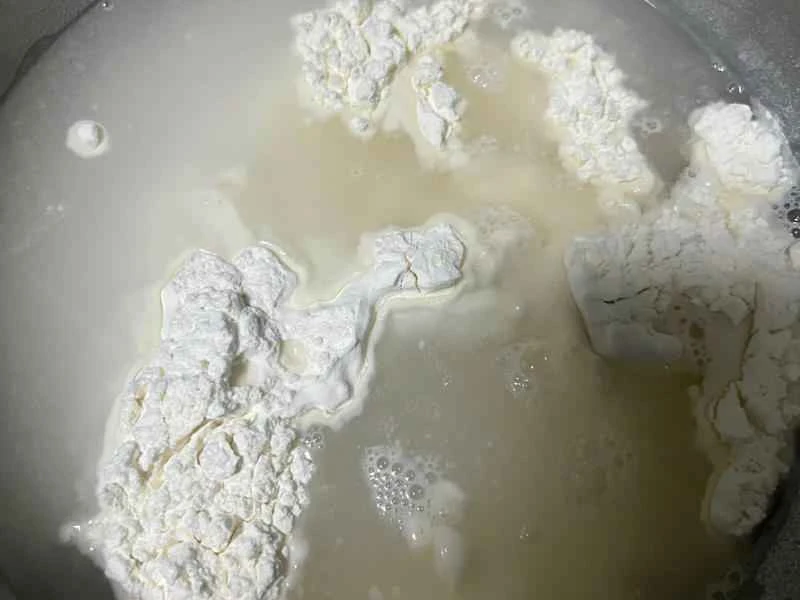
First, mix on low speed until all the dry ingredients are absorbed and the mixture forms a dough. Then, switch to medium-high speed and knead the dough until it reaches the initial gluten development stage, able to be stretched into a relatively thick membrane.
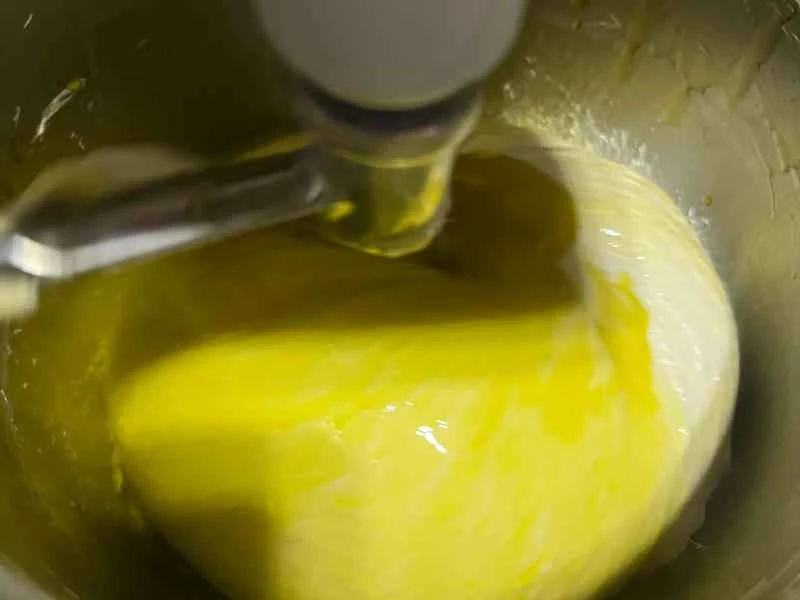
Add the separately prepared 50g of ice water and 30g of olive oil in four batches. Make sure to stir until the dough has fully absorbed the liquid after each addition. This ensures the high-hydration dough develops gluten effectively.
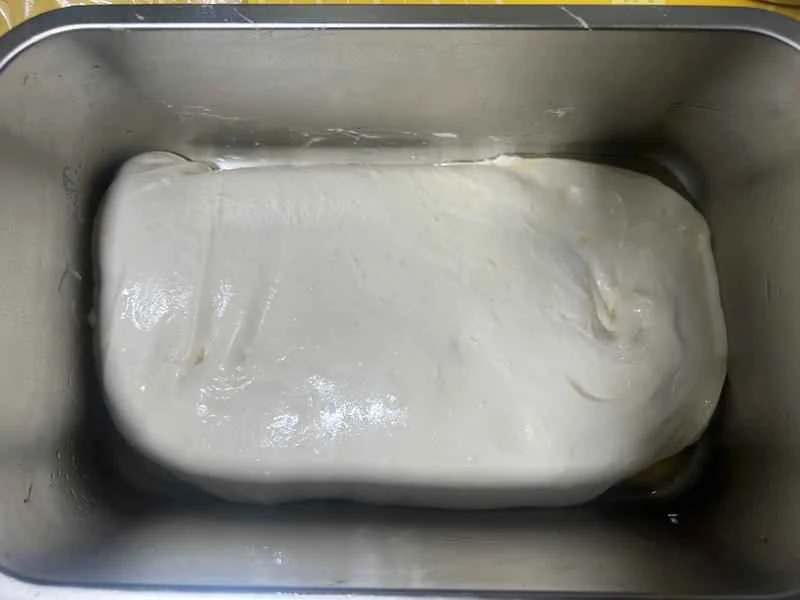
Continue mixing at high speed until the dough becomes smooth and can be stretched into a thin, elastic film that does not break easily.
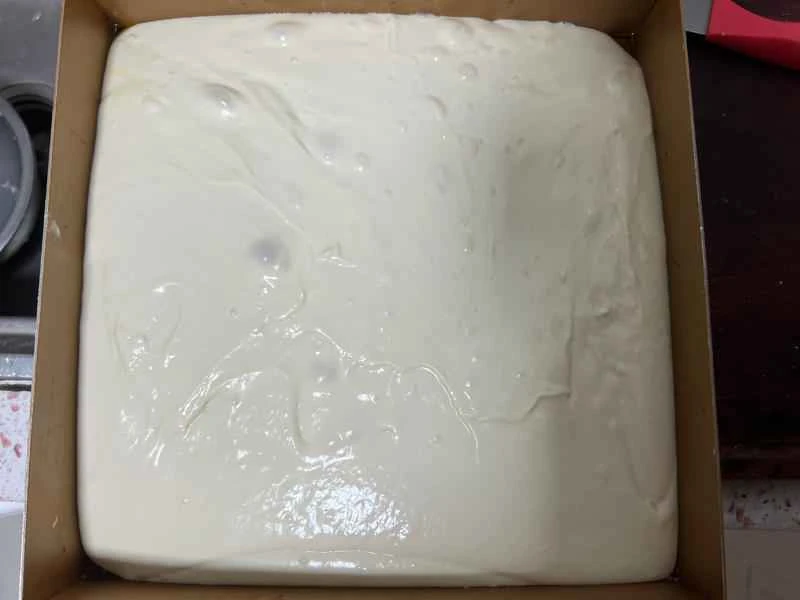
Grease your hands and the proofing box with olive oil. Fold and shape the dough, then place it in the proofing box and proof at room temperature (around 28 degrees Celsius) for 60 minutes.
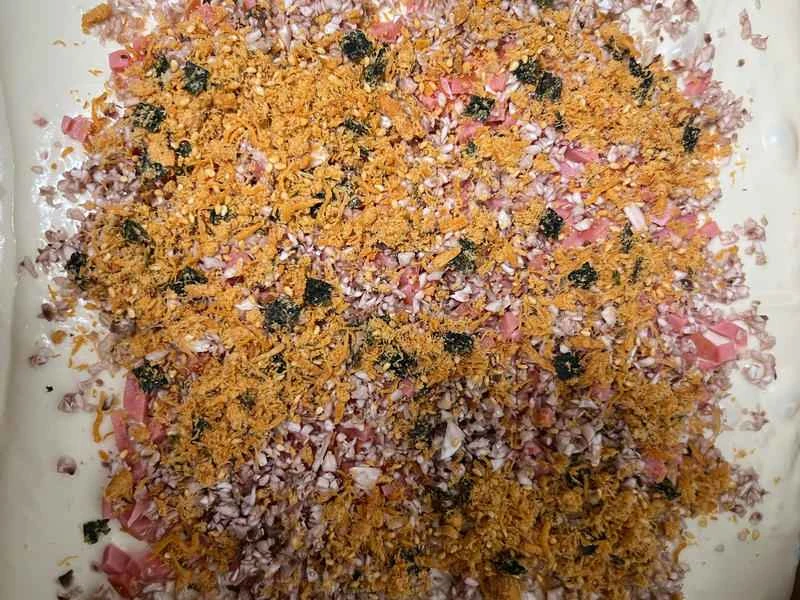
After 60 minutes, sprinkle a generous layer of chopped cilantro, or a mixture of diced ham, diced mushrooms, and pork floss as shown in my picture.
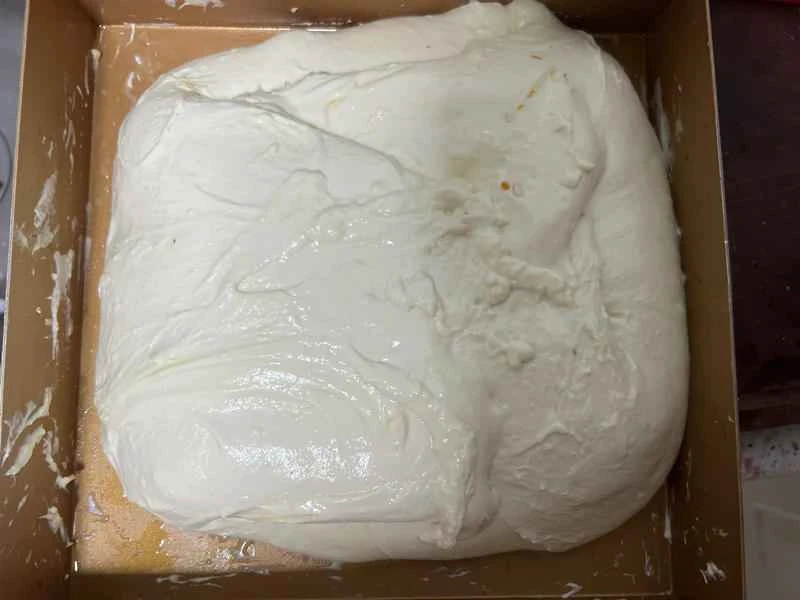
Wet your hands, no need to remove, fold the fabric from both sides towards the middle once, and then fold it from top to bottom towards the middle once as well.
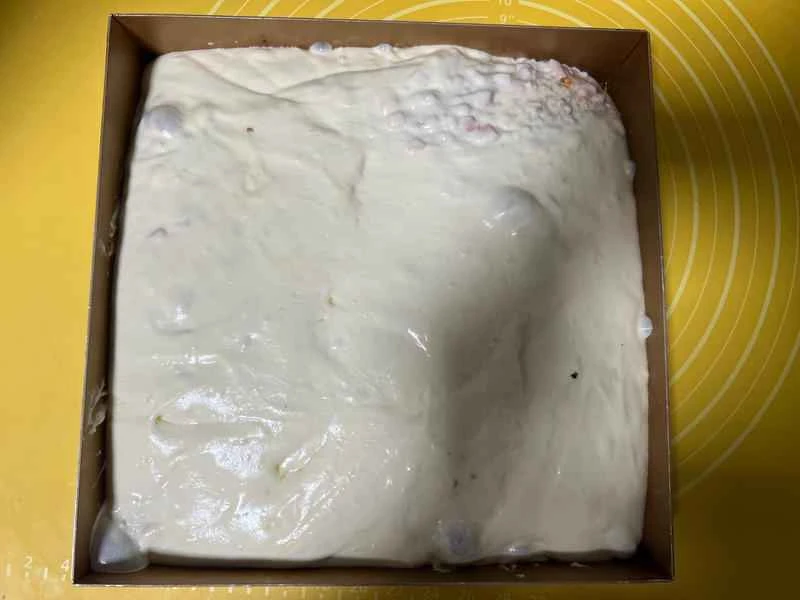
Fold the dough and let it rise for another 40 minutes, until it doubles in size.
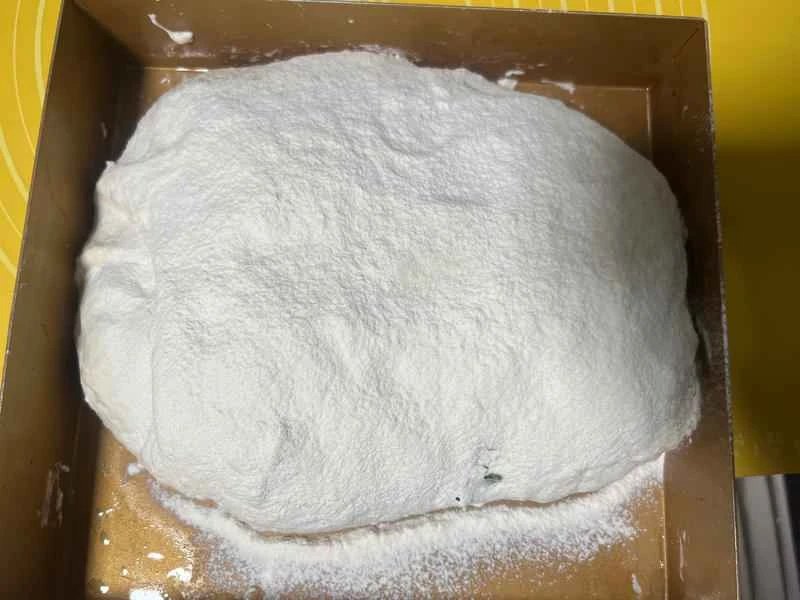
A thick layer of dry powder on the surface.
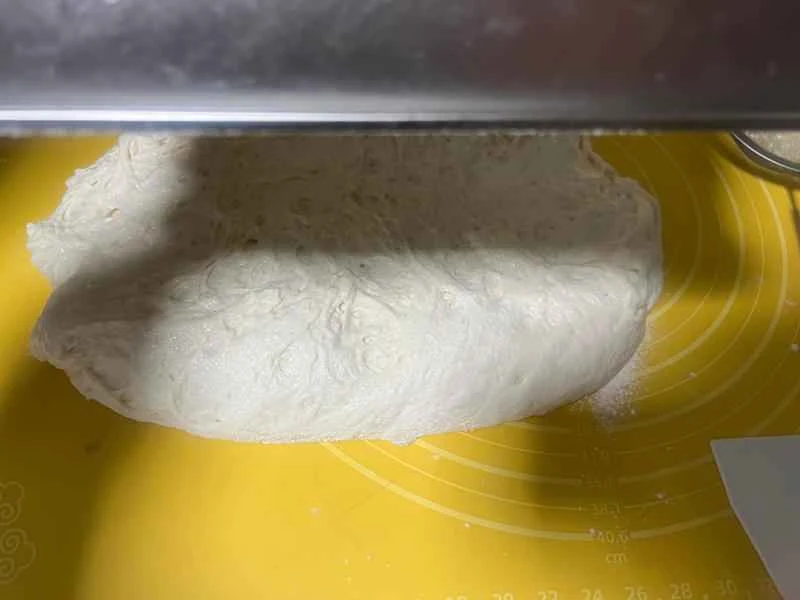
Pour the dough onto the kneading mat.
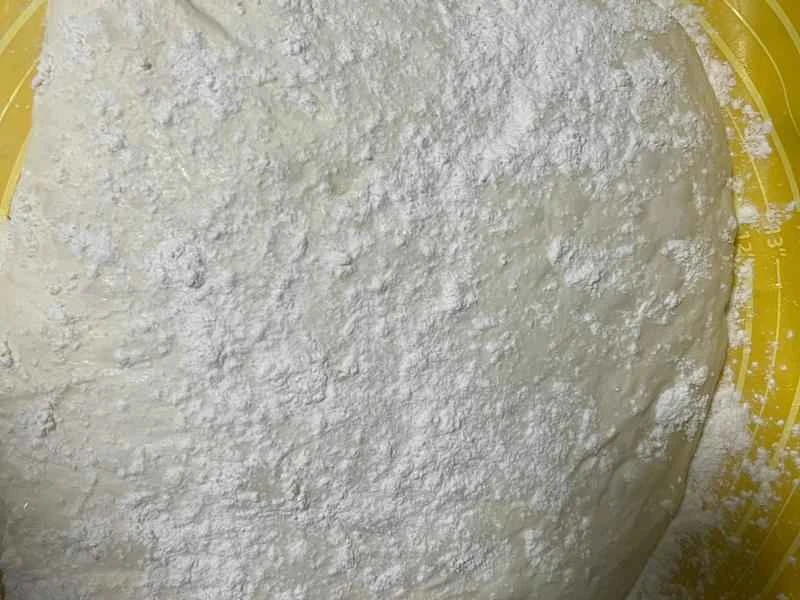
Now, turn the bottom up and sprinkle dry powder all over the top as well to make it easier to cut.
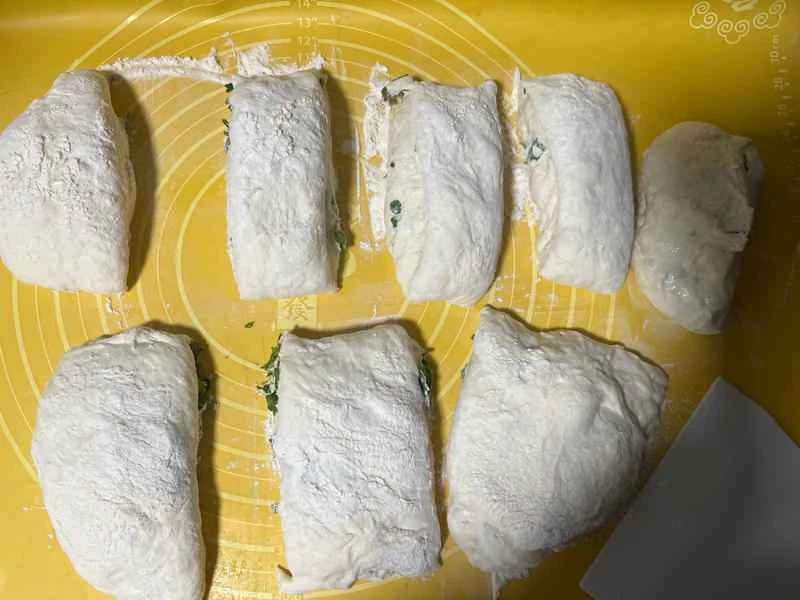
Use a scraper to slightly shape the dough into a more square shape, then cut it into 4-6 equal portions in one go.
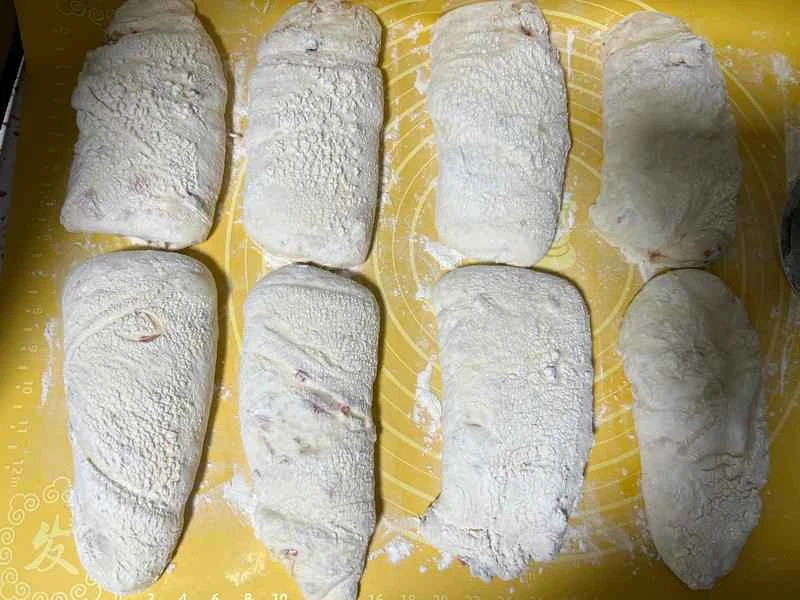
Use the scraper to scrape inwards from both sides repeatedly in small increments. This will create a bark-like texture on the bottom of the dough that is currently in contact with the kneading mat.
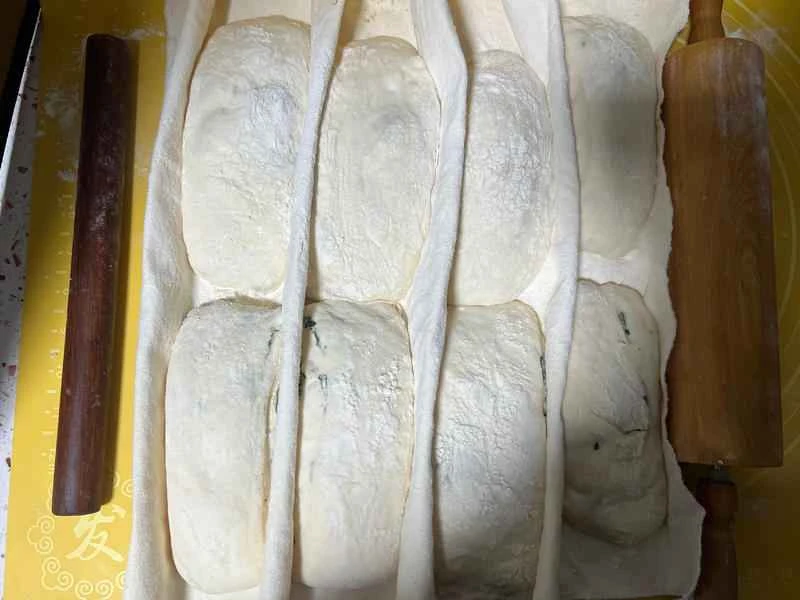
Sprinkle plenty of dry flour on the proofing cloth, and use a scraper to transfer the cut dough pieces flat onto the cloth, ensuring the bark texture is facing down. Cover with the proofing cloth and let it proof for the third time at room temperature for 40 minutes.
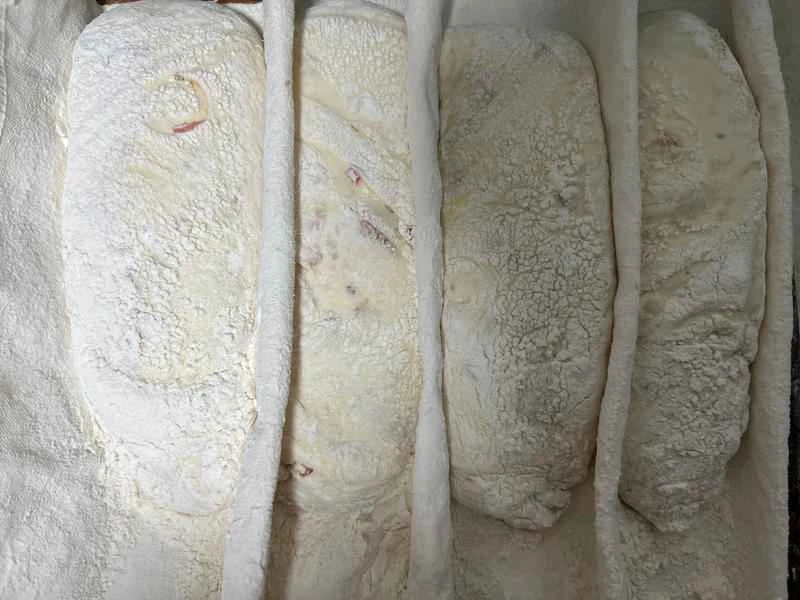
Preheat the oven 10 minutes in advance. During this time, use a scraper or transfer board to transfer the bread dough to a baking sheet lined with parchment paper. Note that at this point, the side with the bark-like texture should be facing up.
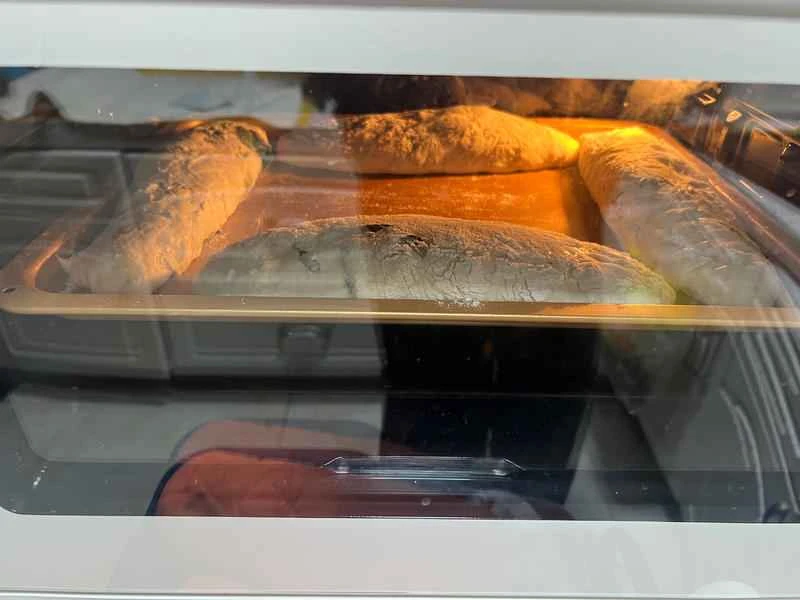
In conventional oven mode, preheat to 230 degrees Celsius. Once the oven is fully preheated, place the baking tray in the oven and quickly spray steam for half a minute (if there is no steam mode, simply turn on the oven and spray cold water 5 times).
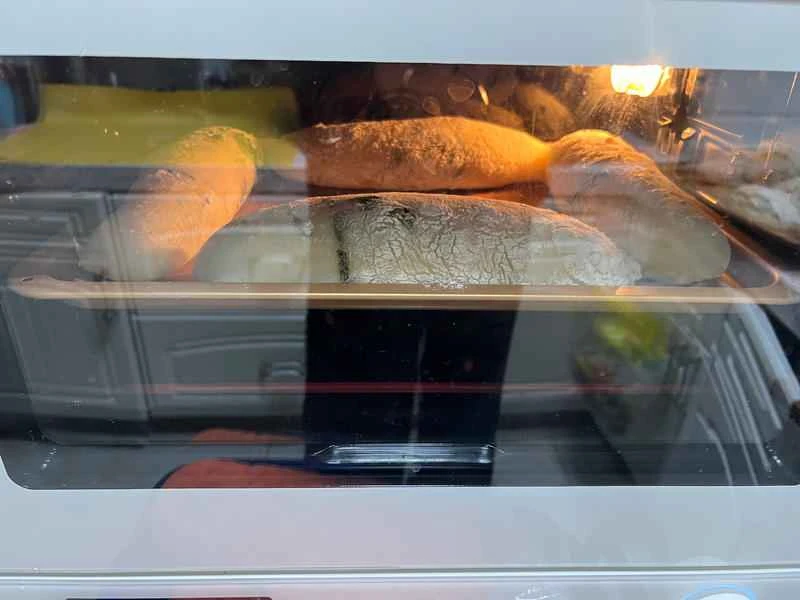
Bake for about 3 minutes, then spray with steam for another half minute.
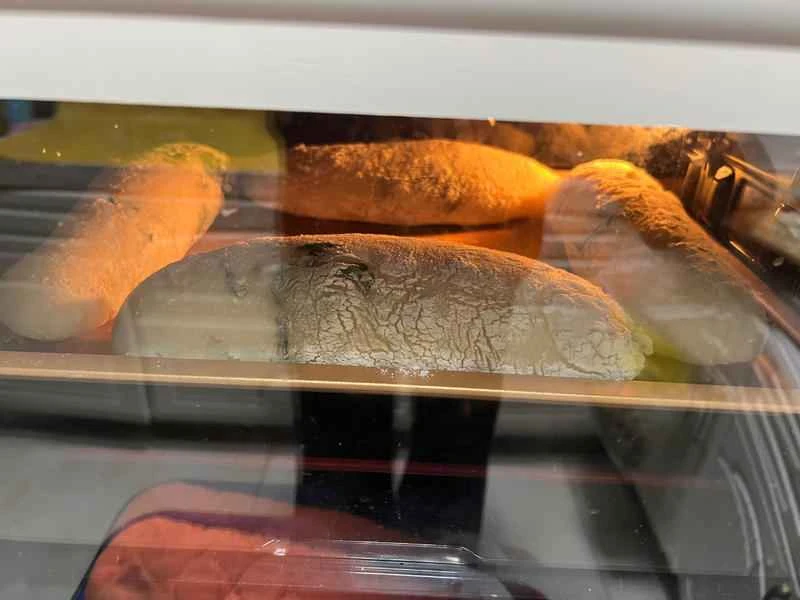
Bake for about 18 minutes, or until golden brown.
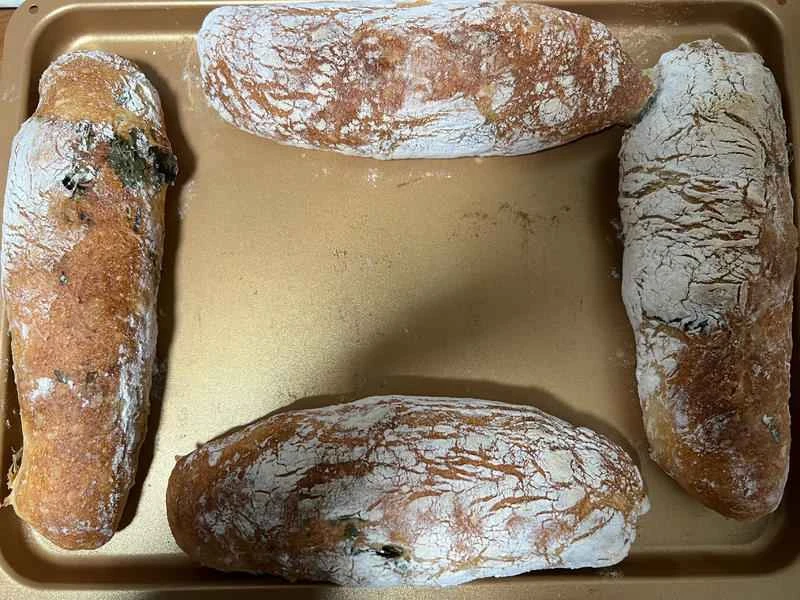
To make my chapatitas more three-dimensional, I always place the dough against the edge of the baking pan, which helps support the dough and prevents it from expanding outwards.
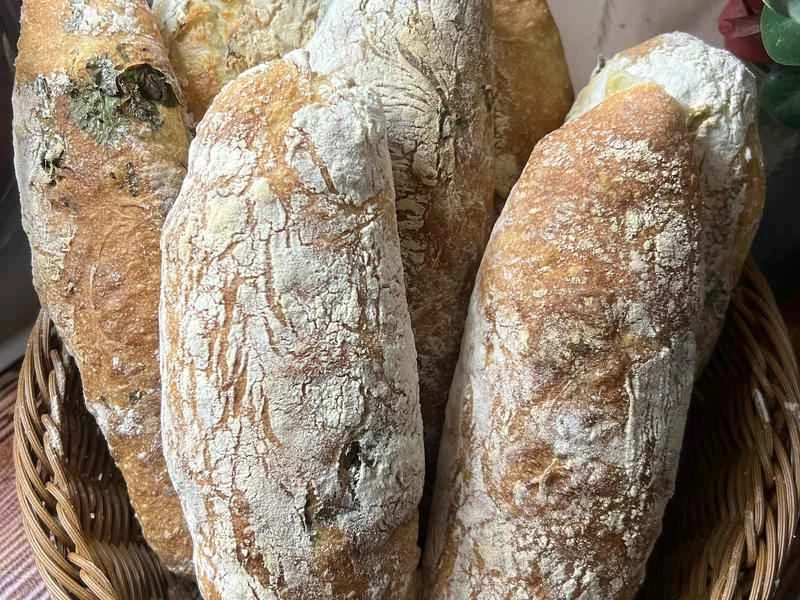
This more three-dimensional shape is a common feature of hard European-style architecture.
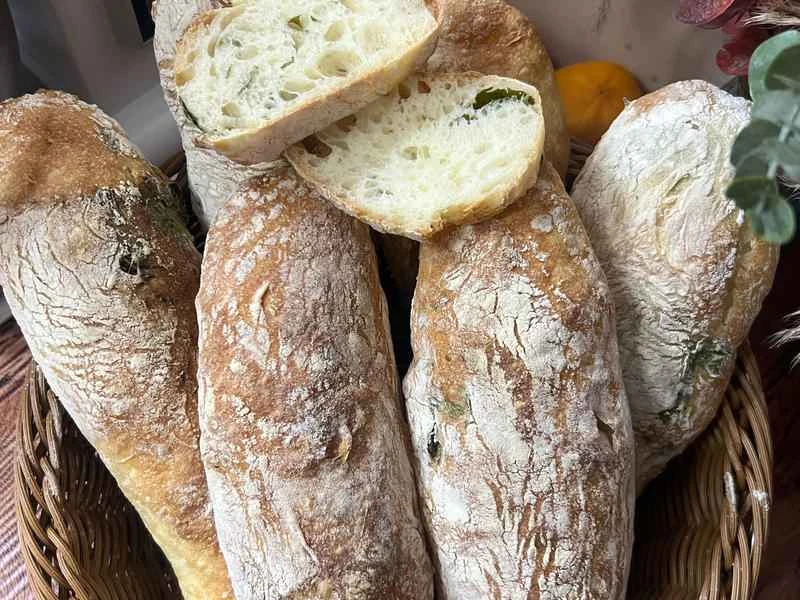
This one has a cilantro filling. It has a simple appearance, but large, evenly spaced air pockets inside. When freshly baked, the crust is thin and crispy, while the inside is moist and soft. After cooling, the crust becomes soft and chewy, while the inside remains tender.
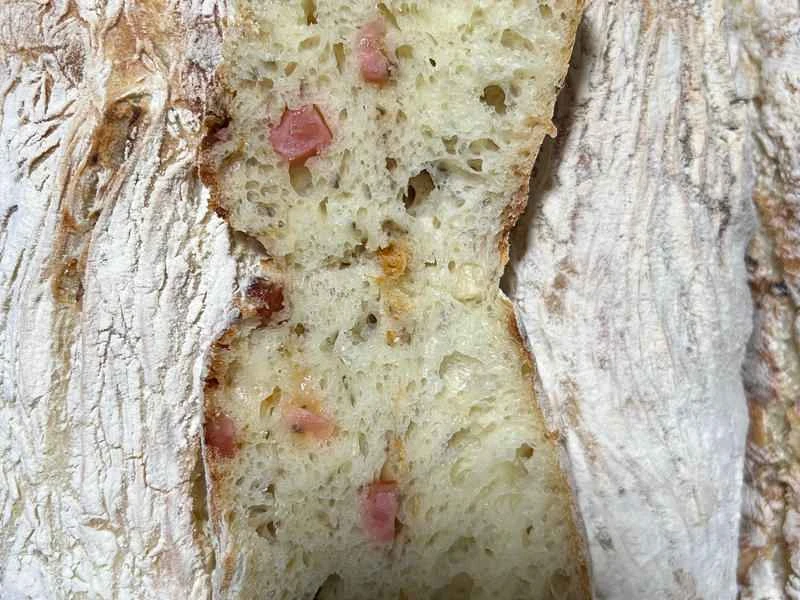
This one has a ham, mushroom, and pork floss filling; it's savory and delicious.