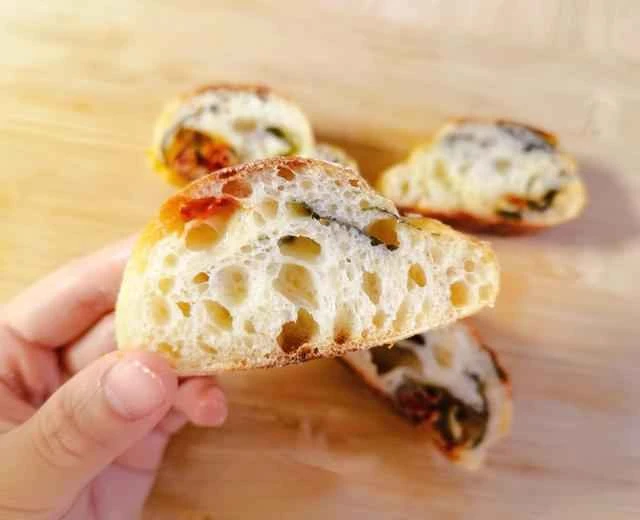
The Gouda and Cheddar cheeses I used will melt after baking; they mainly add flavor and protein. The oil-soaked cherry tomatoes need to be drained a bit, otherwise they'll easily break. Beginners shouldn't add too many ingredients, as they'll be difficult to shape!
Materials
Steps for making perilla cheese soft pastry
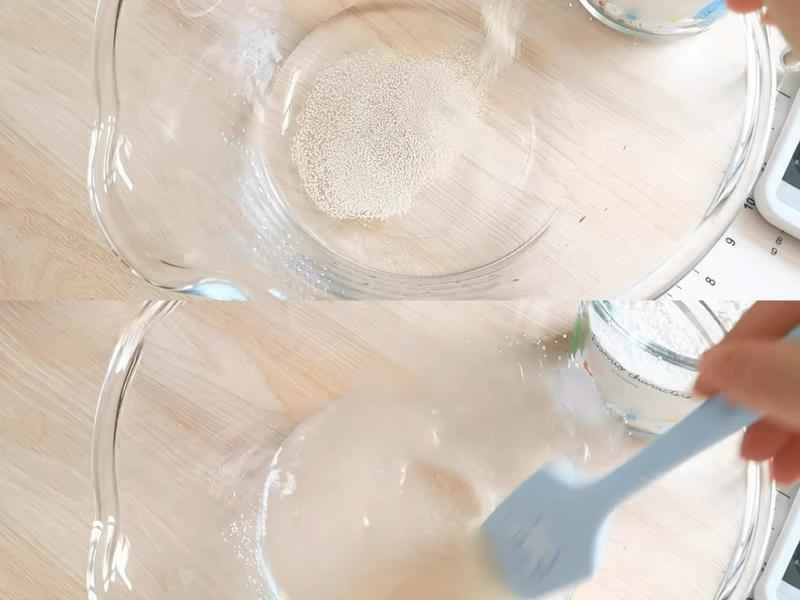
Sprinkle the dry yeast into the water and stir well.
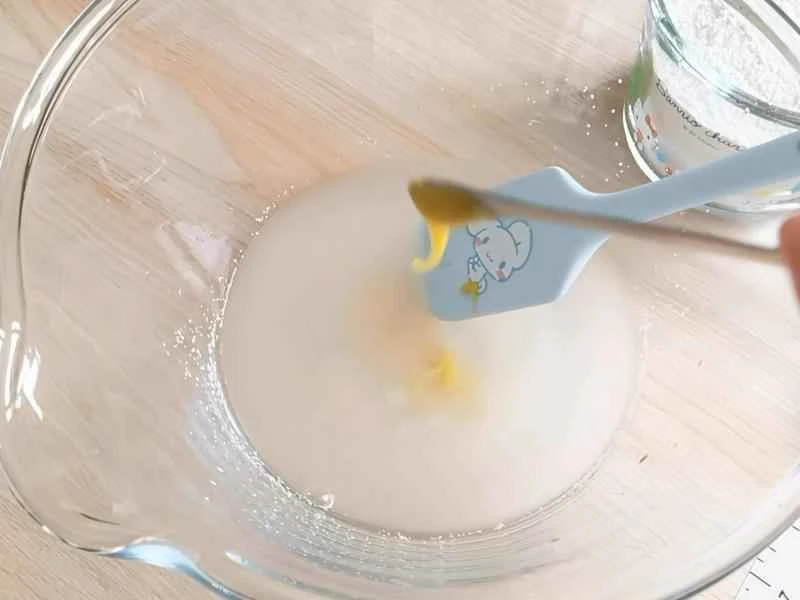
Add honey and stir. It's mainly for coloring; you can skip this step if you don't have any.
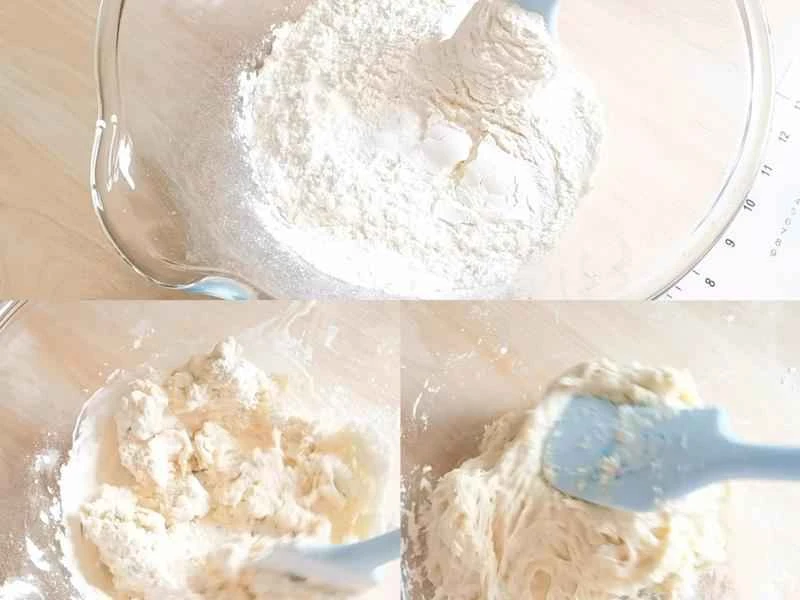
Add high-gluten flour and salt. First, stir until it forms clumps, then press and mix it into a dough.
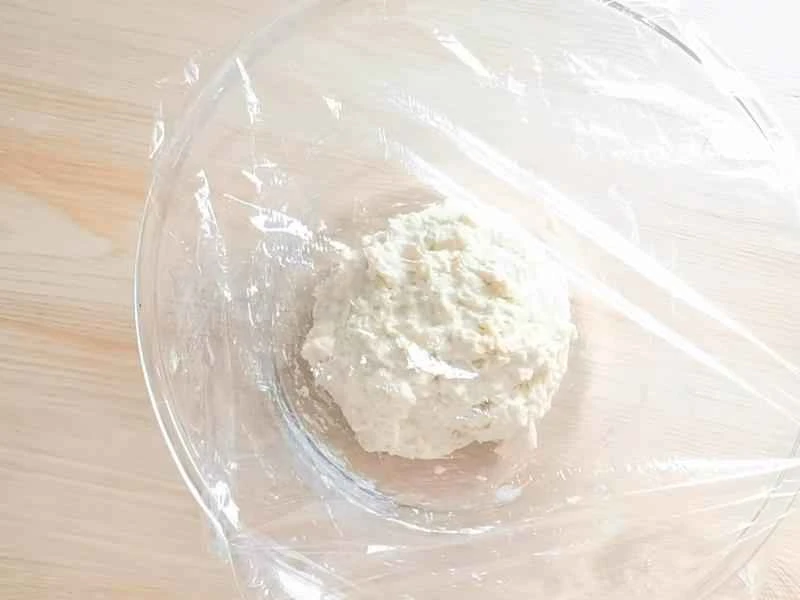
Refrigerate for about 30 minutes.
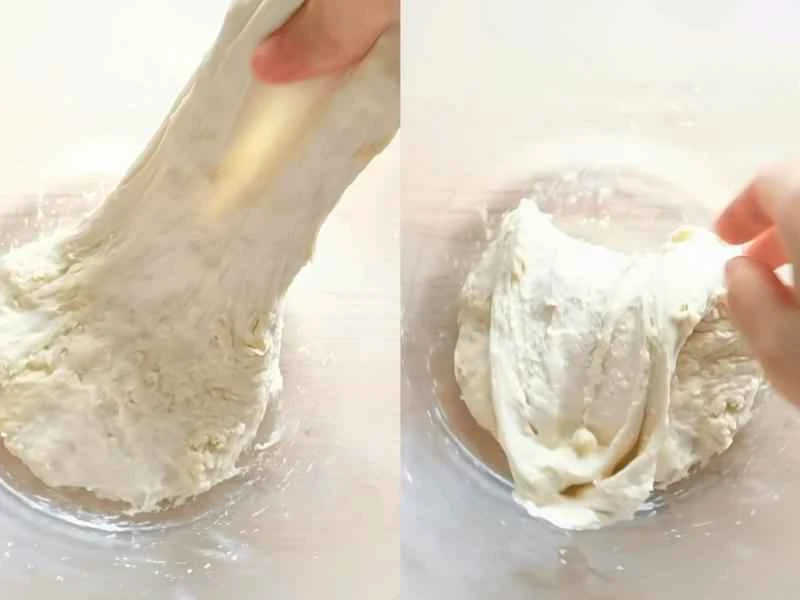
Perform the first stretch fold (SF). SF on all four sides once. It should be too heavy to stretch anymore. Stop when it can't be stretched anymore.
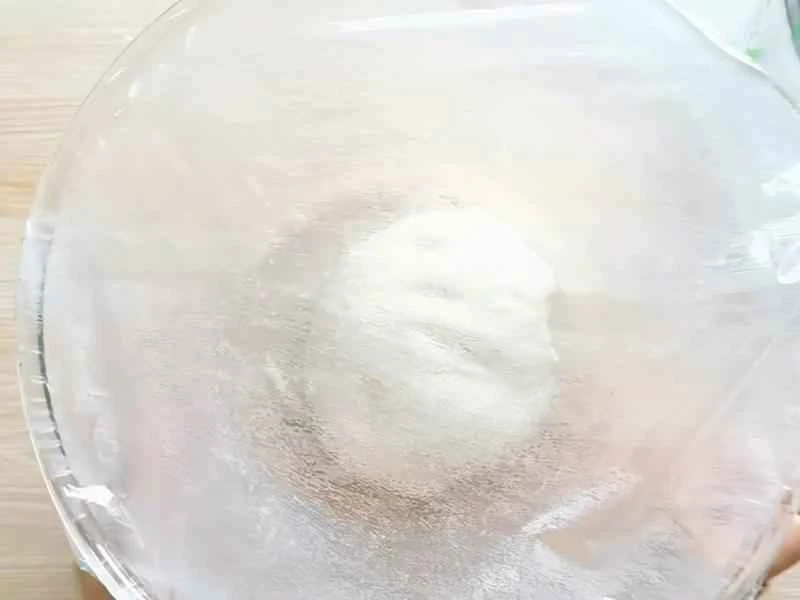
Refrigerate for a second time for 30 minutes.
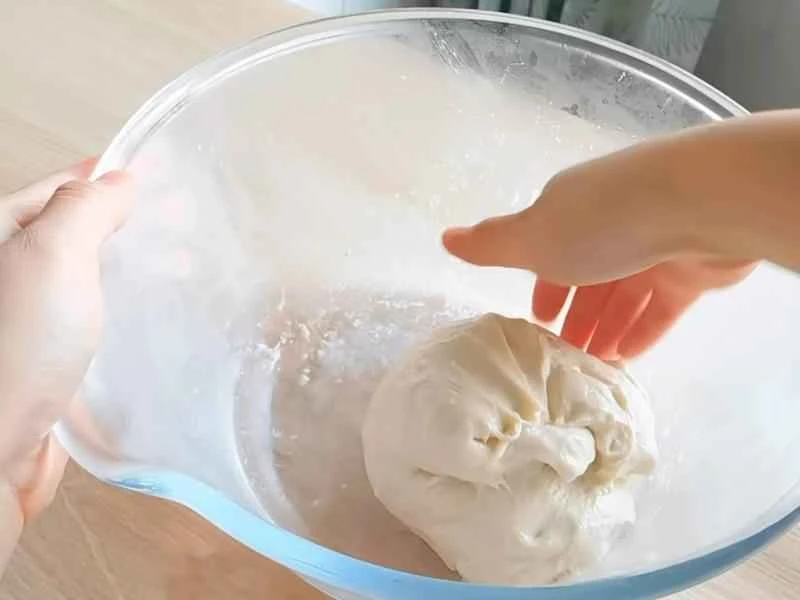
The second time, I did one lap with SF, and I stopped again when I couldn't pull it any further.
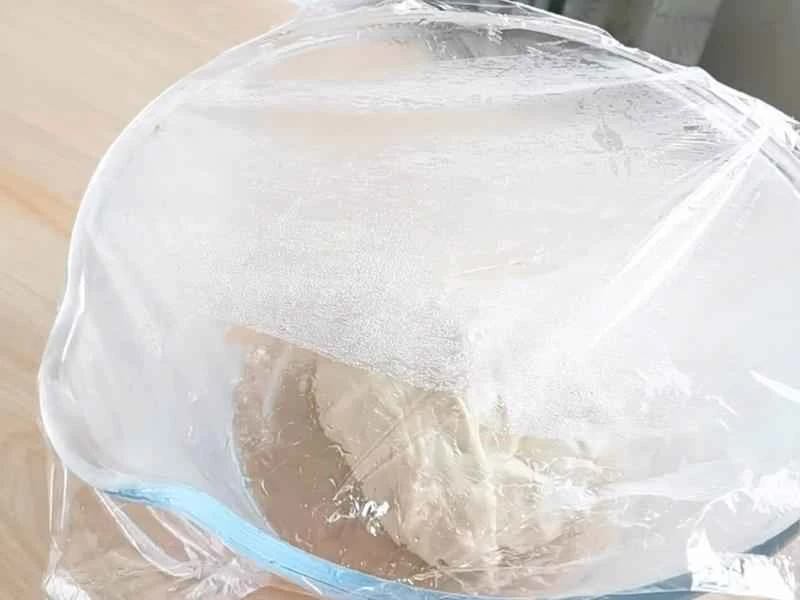
Refrigerate for a third time for 30 minutes.
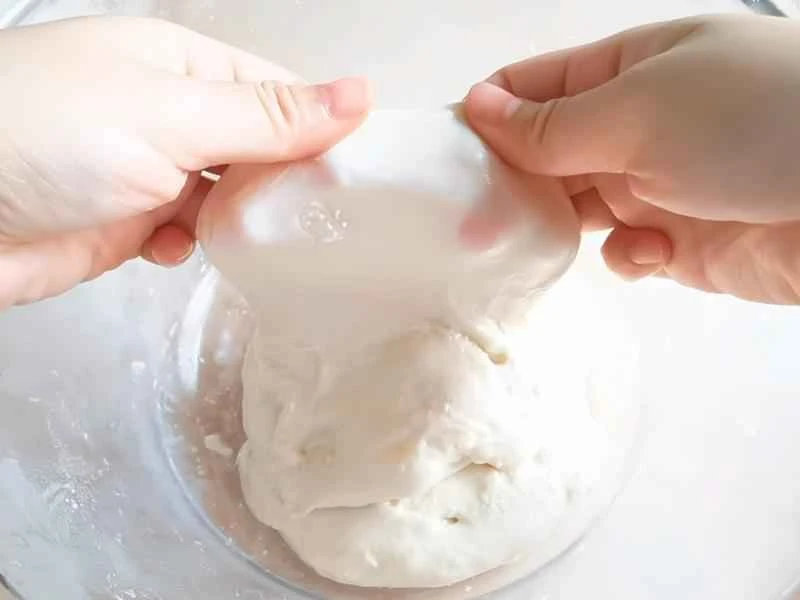
Two SF (steam initial fermentation) cycles and three refrigeration cycles should be enough to develop the gluten. The number of SF cycles and refrigeration cycles is for reference only; the exact number of cycles depends on the dough's gluten development. The dough is ready when it can be stretched into a thin film that doesn't easily break, with smooth edges around any tears.
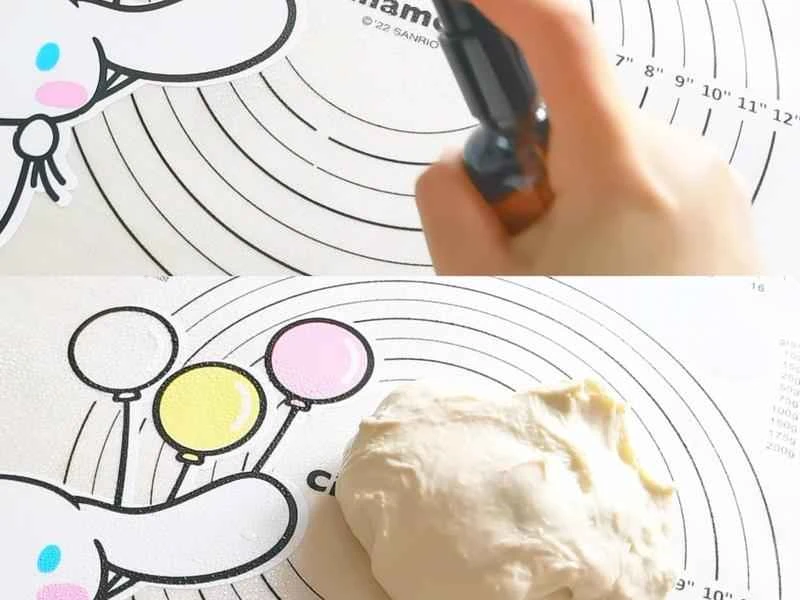
Spray drinking water onto a silicone mat and transfer the dough out.
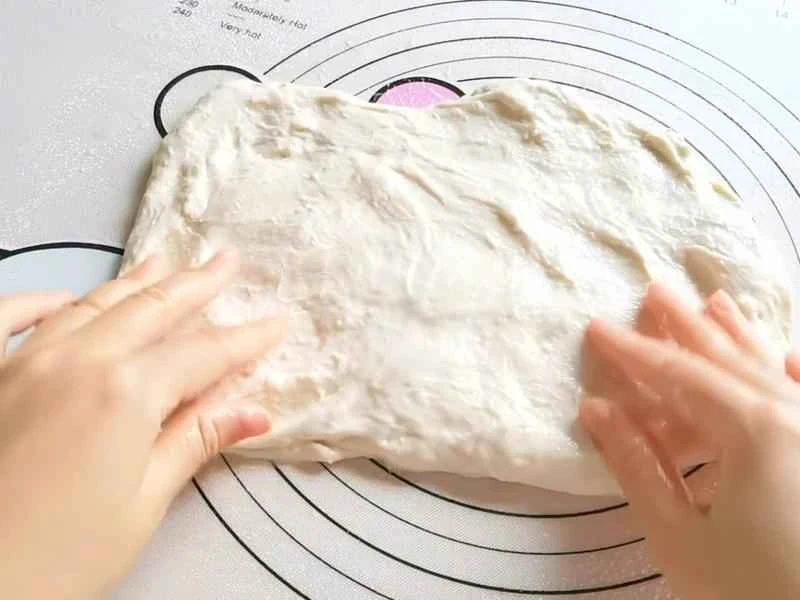
Gently spread out the dough and roughly shape it into a rectangle.
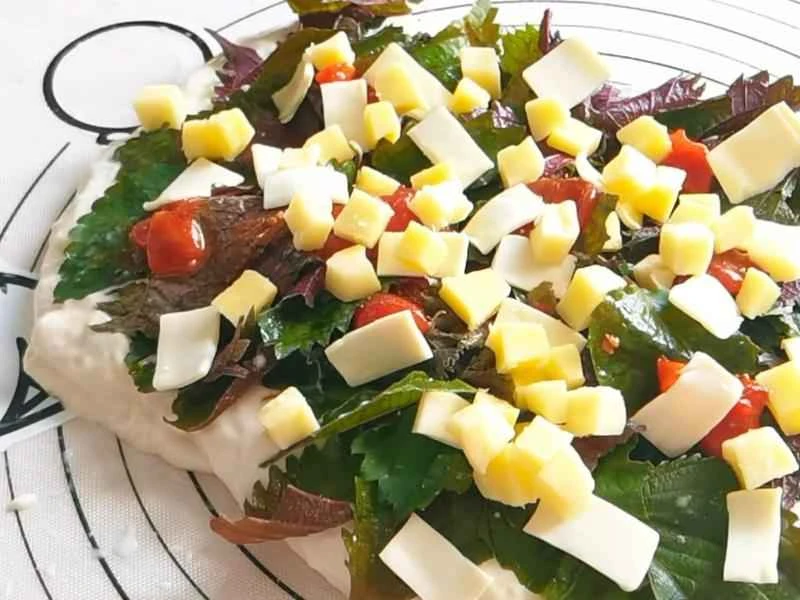
Add more toppings, fill it up yourself!
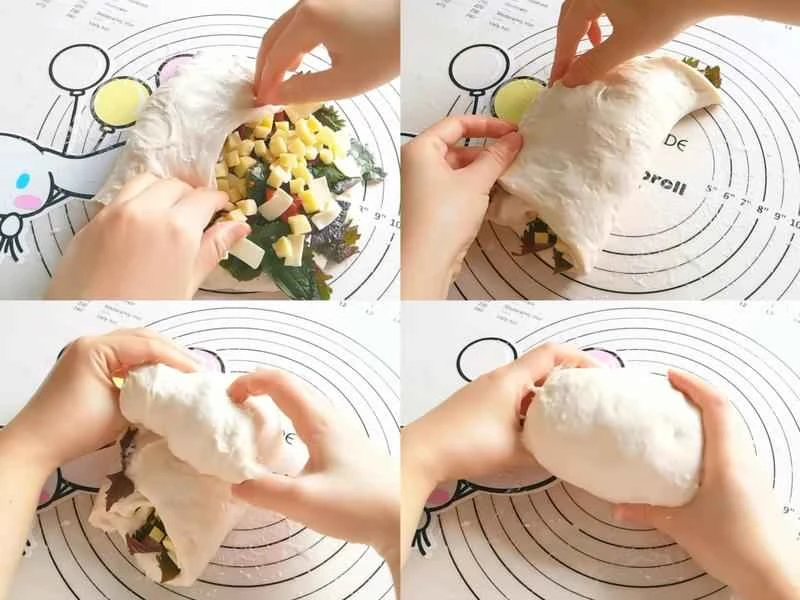
Fold it up using the same method as folding a quilt.
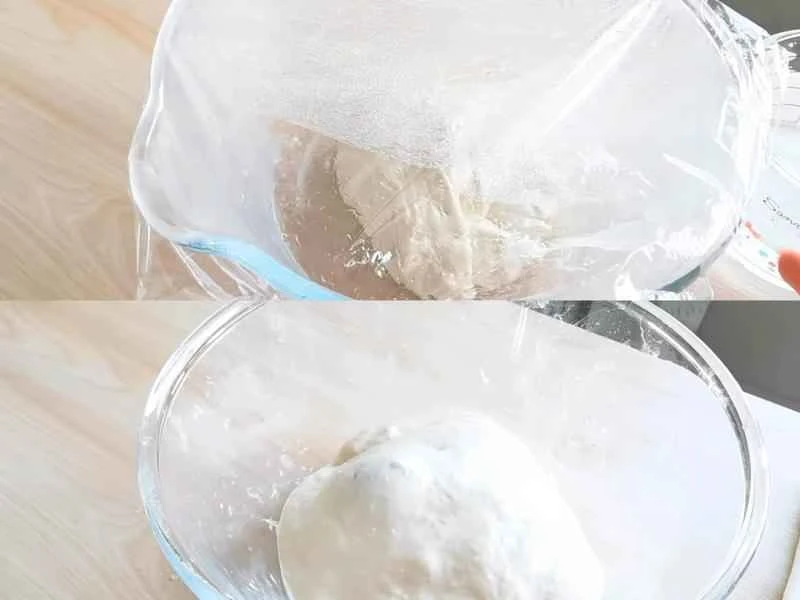
Ferment at room temperature for about 3 hours, or refrigerate for about 12 hours, until doubled in size.
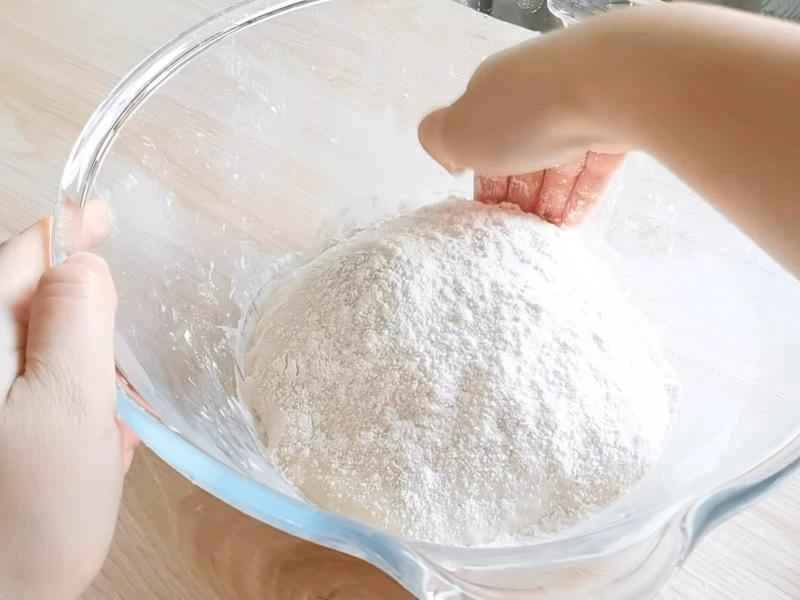
Sprinkle flour evenly on the surface and peel the dough apart by hand.
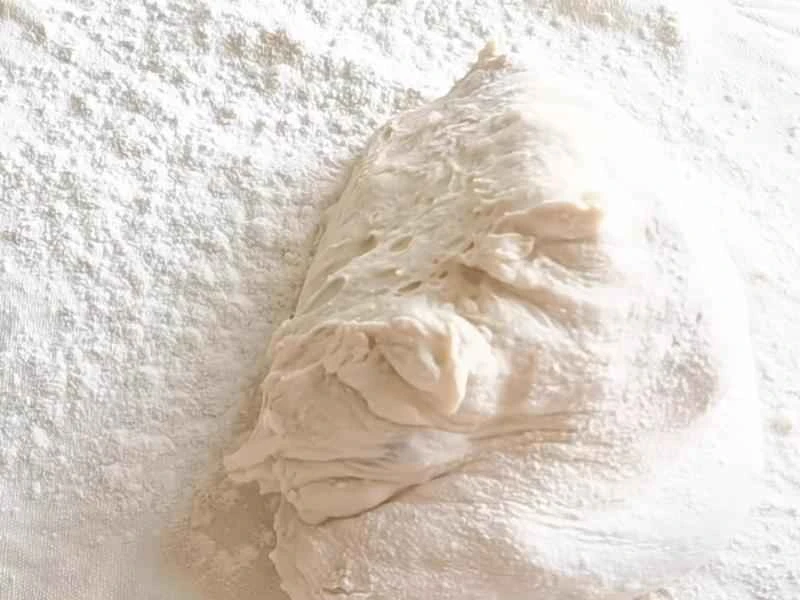
Sprinkle flour evenly on the fermentation cloth, then invert the dough to release it.
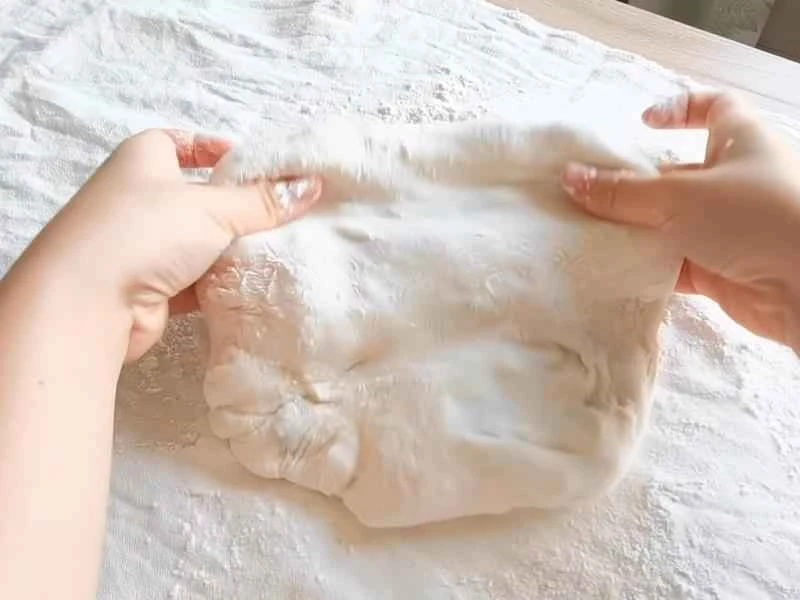
Gently pull and shape it into a roughly rectangular shape.
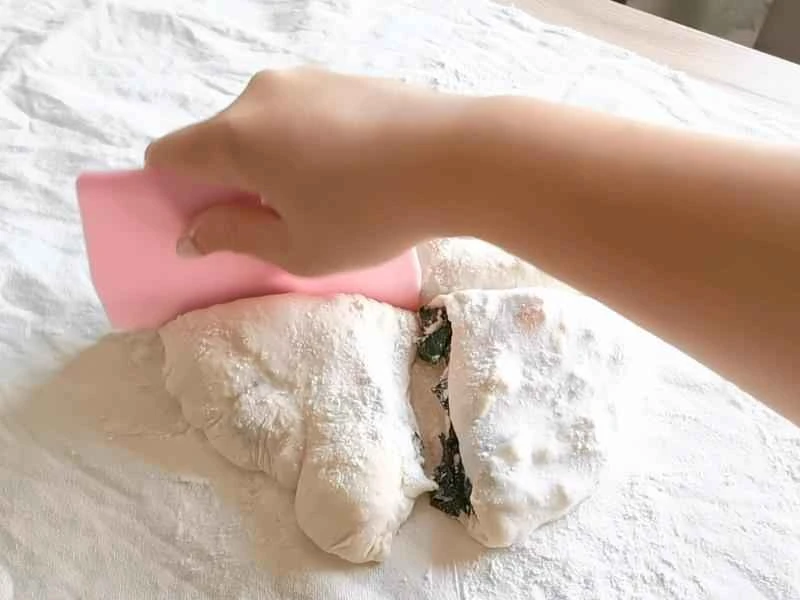
Divide it into 4 parts using a scraper.
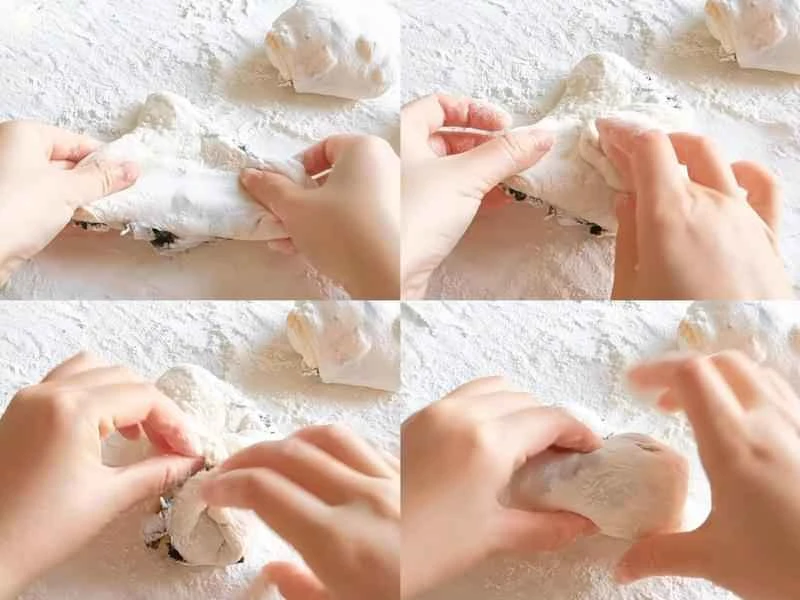
Pull it open diagonally, fold it inwards, and roll it up.
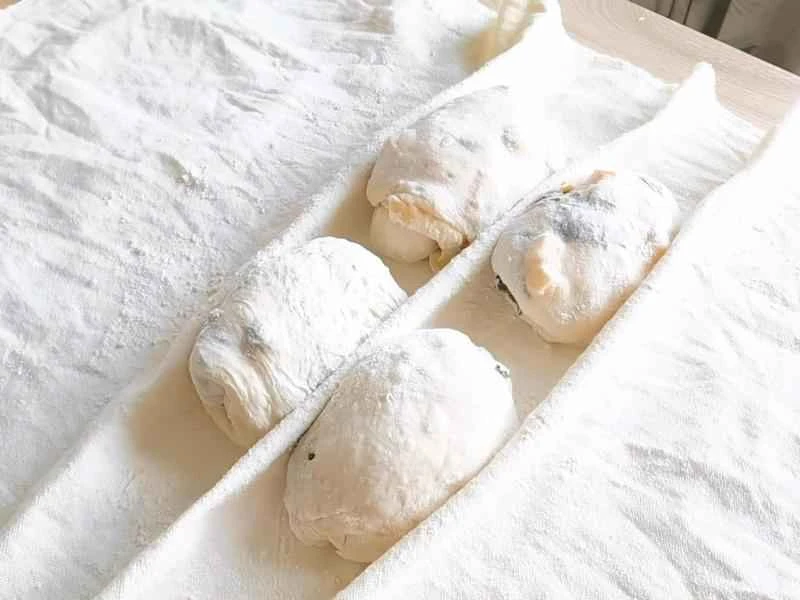
Separate the fermentation cloth, cover with the fermentation cloth, and let it relax for about 15 minutes.
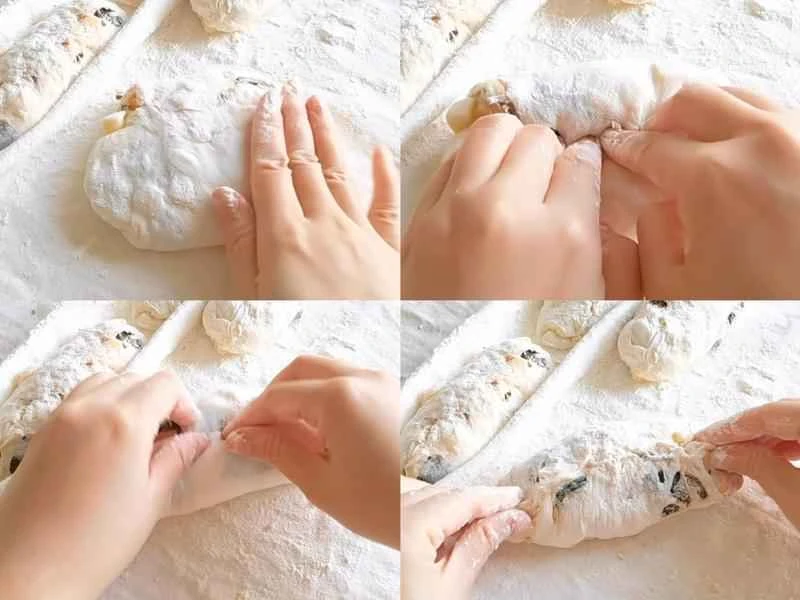
Open your palm slightly, fold both sides towards the middle, then fold it in half again, and pinch the seam closed.
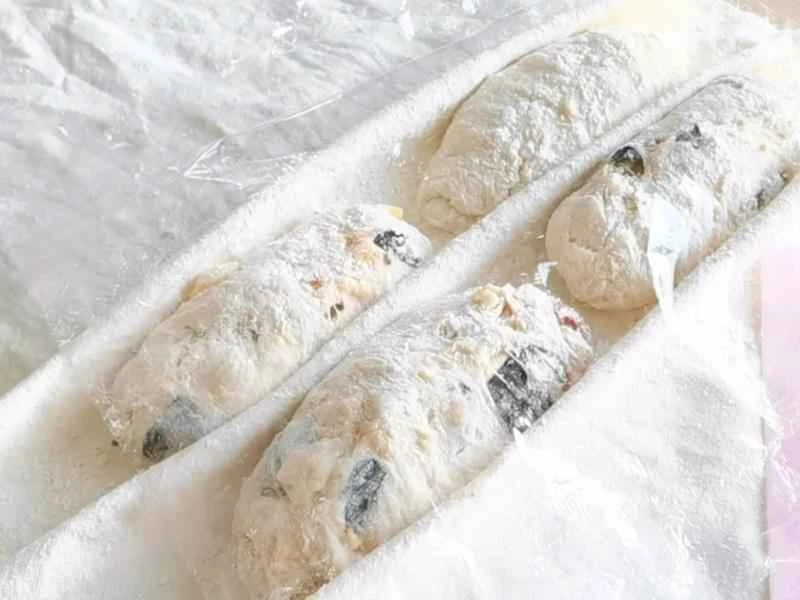
Separate the fermentation cloth, cover with plastic wrap, and ferment until it doubles in size.
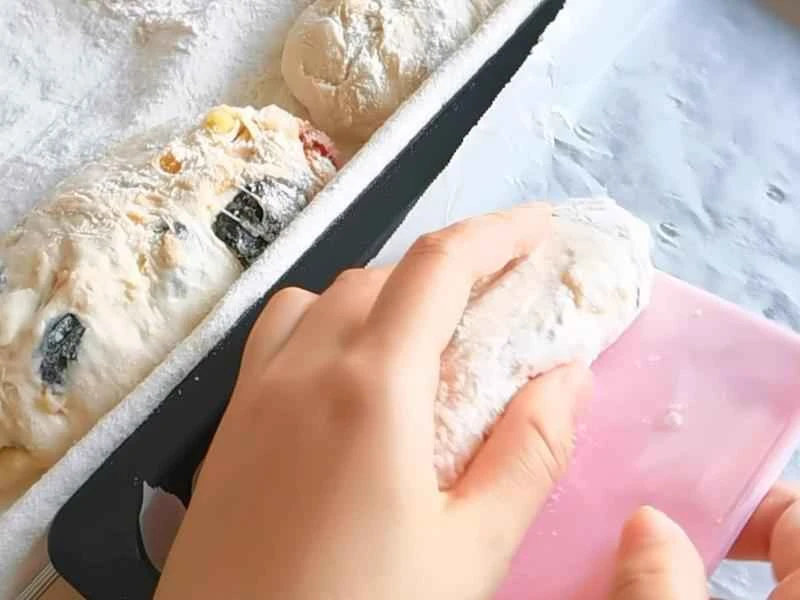
Transfer to a baking pan using a scraper.
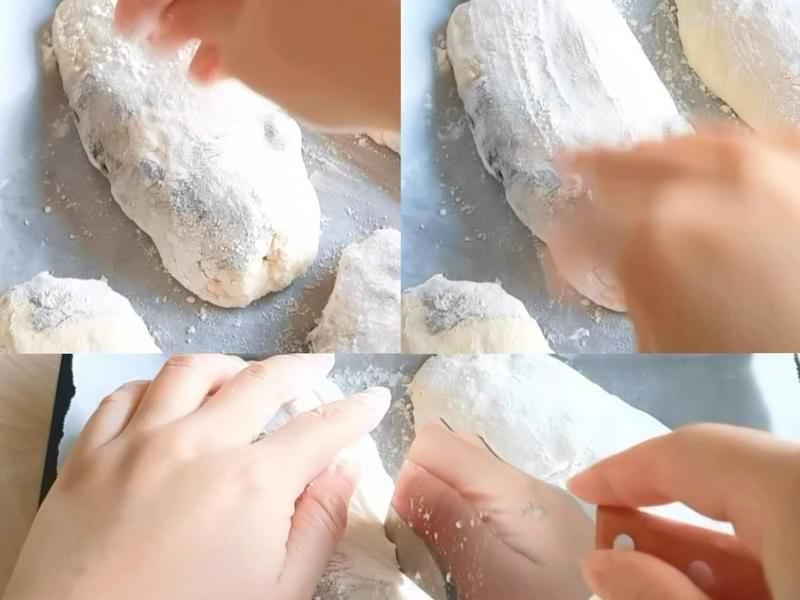
Sprinkle powder on the surface, smooth it out, and cut the bag.
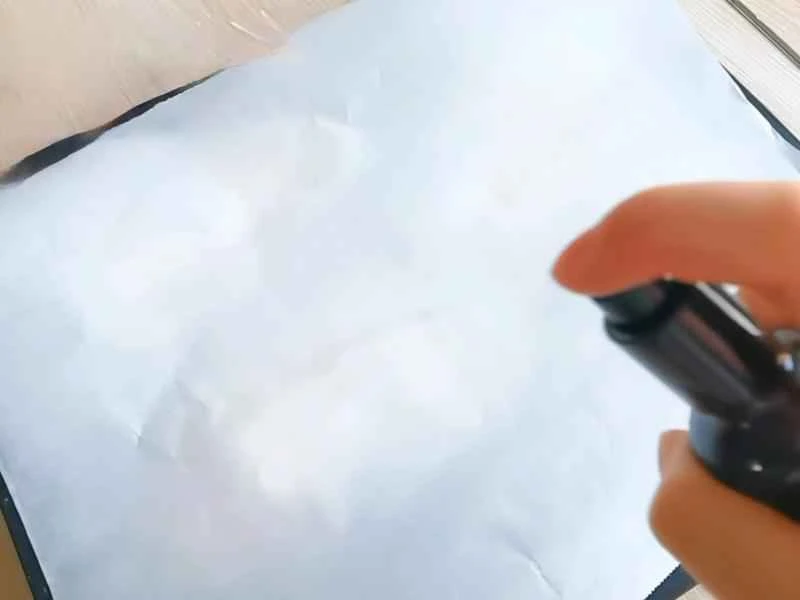
To simulate steam operation for ovens without a steam function, cover the surface with parchment paper and spray plenty of drinking water.
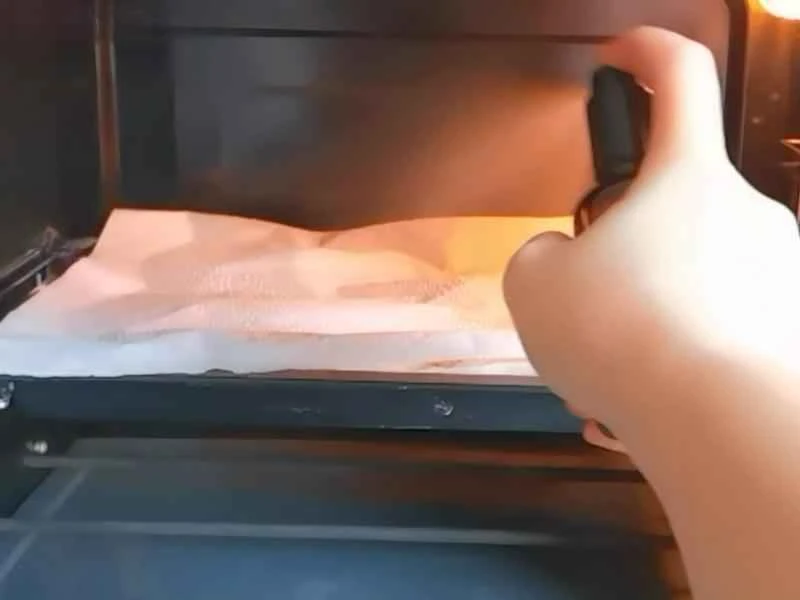
Bake in a preheated oven at 230℃ for about 25 minutes. Immediately after placing the food in the oven, spray it with a little water and close the oven door quickly.
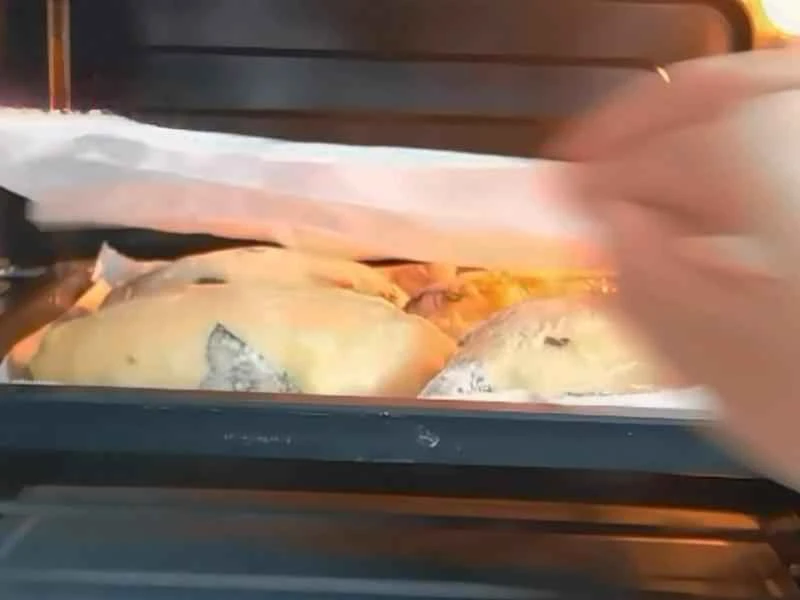
Remove the parchment paper after baking for 10 minutes and continue baking until finished.
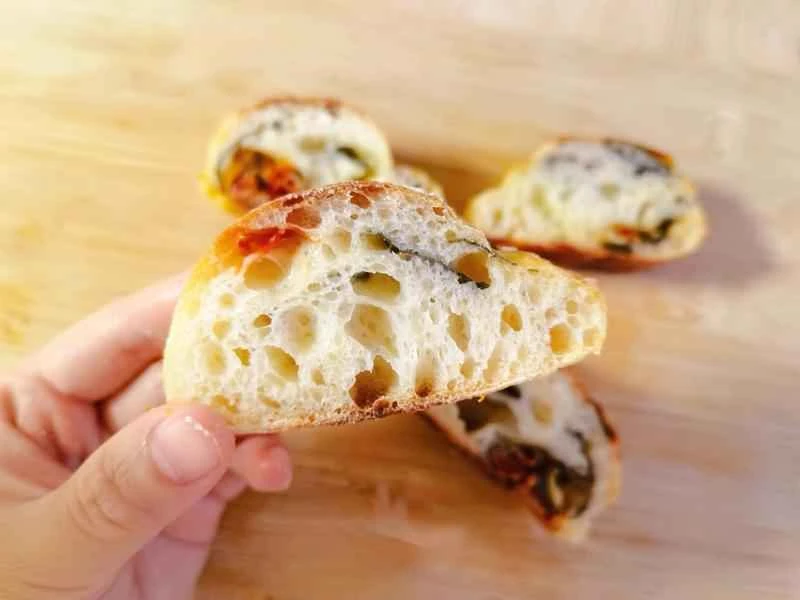
It tastes best when it's fresh out of the oven—crispy on the outside, tender on the inside, and chewy.