The key to preventing facial hypertrophic scarring lies in timely and appropriate treatment and care to promote wound healing and reduce the risk of scar formation. Prevention and treatment of facial hypertrophic scarring involves multiple aspects, including wound management, medication use, and daily care. These measures work together to effectively reduce the likelihood of hypertrophic scarring.
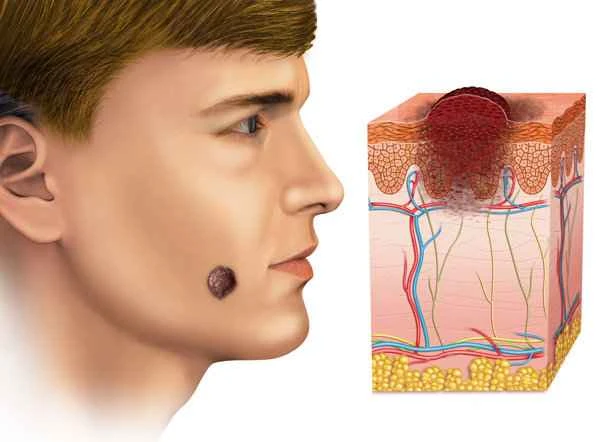
Timely and proper wound care is the first step in preventing hypertrophic scarring. After injury, the wound should be cleaned immediately to prevent infection. Keeping the wound moist helps promote healing, so using a moisturizer or a doctor-recommended ointment is essential. Avoid prematurely removing scabs from the wound, as this can lead to scar formation. During the wound healing process, proper bandaging and protection can reduce external irritation, thereby lowering the risk of hypertrophic scarring.

Medication also plays an important role in preventing hypertrophic scarring. Some topical medications, such as silicone gel patches and vitamin E ointment, can help reduce scar formation. These medications work by promoting wound healing, reducing inflammation, and improving skin tissue regeneration. In some cases, doctors may recommend the use of medications such as corticosteroids to further reduce the likelihood of hypertrophic scarring. These medications should be used under the guidance of a doctor to ensure safety and effectiveness.

During treatment and care, patients need to understand some common misconceptions and risks. For example, some people believe that using home remedies such as onion juice and garlic can effectively prevent hypertrophic scarring, but in reality, these methods lack scientific basis and may even cause skin irritation or infection. Overuse of certain medications or treatments may lead to side effects such as skin allergies and infections. When choosing treatment methods, patients should follow their doctor's advice and avoid trying unproven methods on their own.
[Prevention Tips:]
1. Keep the wound clean to prevent infection.
2. Use medications and moisturizers recommended by your doctor to promote wound healing.
3. Avoid removing the scab from the wound too early and protect the wound from external irritation.
4. Regular check-ups and timely adjustments to the treatment plan.