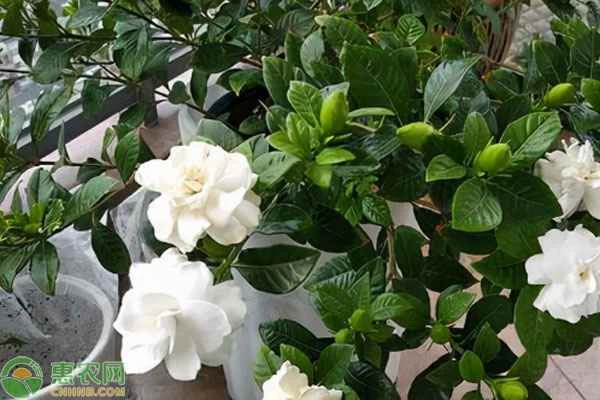
Gardenias have emerald green leaves and pure white flowers that emit a rich fragrance after blooming. They also purify the air, making them a great addition to any home. While they are resilient, many people struggle to grow gardenias successfully. So, what are the taboos when growing gardenias? Let's take a look.
1. Avoid moving the location.
Gardenias are quite sensitive to environment and light. Frequent relocation during their growth period, especially after flower buds have formed, will cause them to drop buds constantly and disrupt their biological clock. Gardenias need a well-ventilated location with ample indirect sunlight; otherwise, flowering will be affected, and they will not grow well.
2. Avoid repotting immediately after bringing the product home.
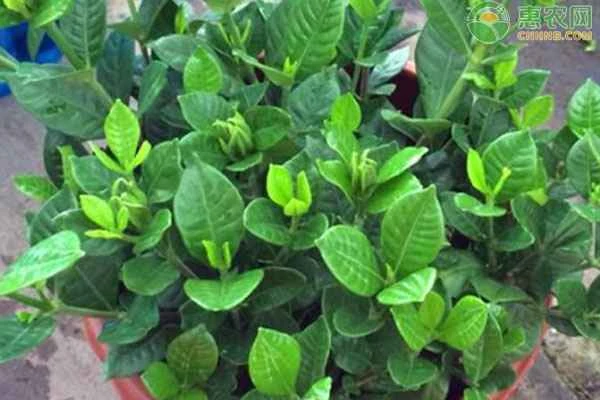
Many gardening enthusiasts buy gardenias in disposable planting pots, which are not aesthetically pleasing. So, they want to repot the gardenias as soon as they get home. However, it's important to note that gardenias prefer loose, well-draining, acidic soil and are quite sensitive to soil conditions. Generally, vendors use specialized soil suitable for gardenias to care for them. Repotting the gardenias as soon as you get home can cause double harm to them.
a: Improper use of soil
When repotting, many flower enthusiasts simply use garden soil. This may prevent the gardenia from adapting to the new pot and hinder its growth. At best, it may not bloom or grow slowly; at worst, it may wither, turn yellow, and die.
b: Double damage
Gardenias have just moved from a suitable greenhouse environment to the natural environment at home, and adapting to the new environment is already very difficult for them. If they are repotted, it will also damage their root system. After repotting, gardenias not only need to adapt to the new environment, but also need to settle into the new pot, which is a double blow to them.
3. Avoid overwatering.
Most people know that gardenias like water, so many people think of watering them excessively after bringing them home. However, many people are mistaken about this. Gardenias simply prefer a humid environment, not heavy watering. The soil only needs to be kept moist. Especially for potted gardenias, they are very susceptible to waterlogging. Prolonged waterlogging will cause root rot and yellowing leaves. Therefore, potted gardenias should never be overwatered.
4. Avoid long-term application of compound fertilizers.
Gardenias prefer acidic, well-draining, and loose soil. If compound fertilizer is used to grow gardenias for a long time, it can easily cause poor root respiration and soil compaction. This will prevent the gardenias from growing and may even cause yellowing leaves. It is recommended to use a mixture of farmyard manure and compound fertilizer alternately when growing gardenias.
5. Avoid heavy pruning in spring.
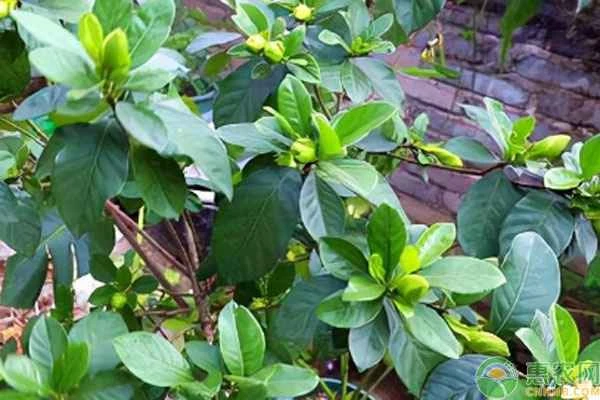
To encourage gardenias to bloom more, it's necessary to eliminate apical dominance and prune them appropriately to promote flowering and branching. Generally, when the main stem of a gardenia reaches 20 cm in length, you can leave 3-4 branches and remove the top. After flowering, light pruning is necessary, and spent flowers should be removed promptly, along with weak or diseased branches. However, excessive pruning of the top branches in spring should be avoided, as this will hinder flowering that year.