Developing high-quality blueberry seedlings with high uniformity, strong resistance, and robust growth, combined with the application of standardized cultivation techniques, can effectively increase blueberry yield and the rate of high-quality marketable products. So how are blueberry seedlings cultivated? Let's find out below.
1. Seed propagation and seedling raising
In summer or autumn, when blueberries ripen, select healthy mother trees to collect ripe, plump berries free from pests and diseases. Crush the berries, wash them with clean water to extract the plump seeds, and then let them dry. Next, germinate the seeds by placing them on a slightly damp cloth or paper towel. Once small sprouts appear, they are ready for sowing.
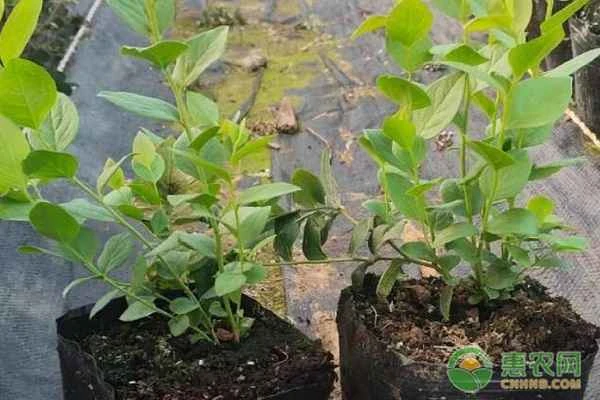
2. Propagation by cuttings
Propagation by cuttings involves cutting healthy blueberry branches into small sections and inserting them into a seedling substrate, allowing them to root and form new plants. This method preserves the genetic characteristics of the parent plant and has a relatively high survival rate.
3. Grafting seedling cultivation
Grafting is mainly used for highbush and rabbiteye blueberries, and the primary method is bud grafting. Grafting should be done when the cork cambium is highly active and the bark is easily peeled off, while the specific grafting procedure is basically the same as bud grafting for other fruit trees.
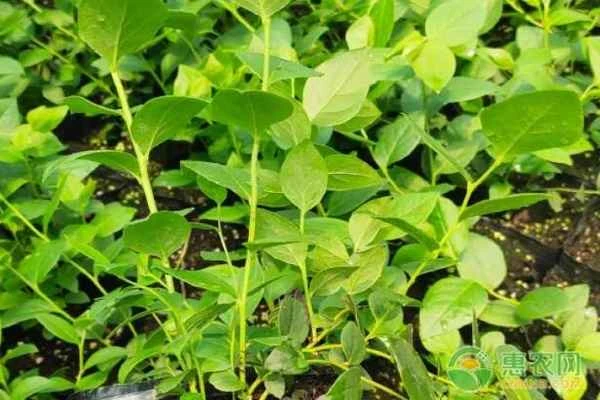
4. Seedling cultivation in nutrient pots
Seedling cultivation in nutrient pots includes two stages: small nutrient pot cultivation and large nutrient pot cultivation. Seedlings that have passed the small nutrient pot stage can be directly used for open-field planting. If it is necessary to continue cultivating them into larger seedlings (large blueberry seedlings have a higher survival rate, and commercial seedlings are mainly large seedlings), then the seedlings are transferred to larger nutrient pots for cultivation.
5. Tissue culture seedlings
This method involves extracting cells or tissues from blueberry plants under laboratory conditions and inducing them to differentiate into complete plants in a controlled environment. While tissue culture can rapidly and massively propagate high-quality blueberry seedlings, it requires a high level of technical expertise.