Low temperatures in northern regions significantly impact agricultural production, particularly the spraying of herbicides in wheat fields. Spraying must be tailored to the specific temperature conditions. So, what is the best temperature for applying herbicides to wheat ? Let's find out.
What is the best temperature for applying wheat herbicides?
Wheat herbicides are quite sensitive to temperature. Low temperatures can affect the weeding effect and may also cause phytotoxicity. Generally, it is not recommended to use herbicides when the temperature is below 10°C. The optimal application temperature is between 10 and 20°C. If there is a cold snap, frost, or significant temperature drop 3-5 days after application, it is not recommended to use mesosulfuron-methyl.
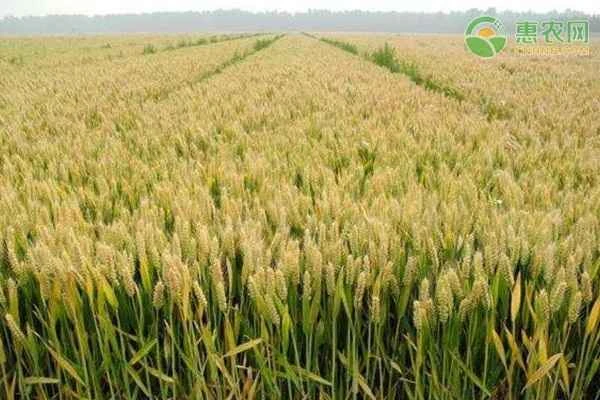
Instructions for using wheat herbicides
1. Usage time
The herbicides used in wheat fields before the Lunar New Year are mainly used to control grassy weeds such as jointed goatgrass and wild oats. Herbicides can be used after the wheat leaves have reached the three-leaf stage or the four-leaf stage, which is around mid to late November.
2. Pay attention to the weather.
When using wheat herbicides, it is recommended to apply them on a sunny day, between 10:00 AM and 3:00 PM. Choosing a windless day is also important to ensure the herbicide's effectiveness and to avoid herbicide damage. Check the weather forecast before spraying; ideally, there should be no rain within a week.
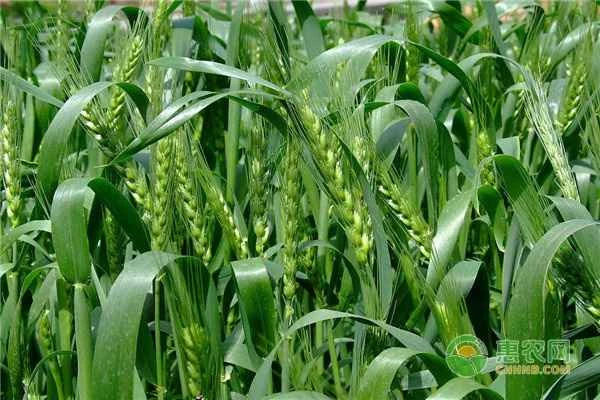
3. Mix thoroughly
When using wheat herbicides, the solution should be mixed evenly. During the spraying process, avoid missing any spots or overlapping sprays to ensure the final weed control effect.
4. Note the need for secondary dilution.
First, add a small amount of water to the medicine to prepare a stock solution, then add enough water while stirring to dilute the solution to the required concentration.