Ginseng is a relatively precious traditional Chinese medicine with extremely high medicinal value. It has been hailed as the "King of Herbs" since ancient times, thus its cultivation prospects are very broad. Ginseng is usually grown from ginseng seeds. So how are ginseng seeds planted? Let's find out below.
1. Seed selection
Choose high-quality seeds. Generally, excellent seeds should be plump, free from pests and diseases, and have a high germination rate. It is recommended to purchase seeds from reputable sources and carefully check the seed labels to ensure seed quality.
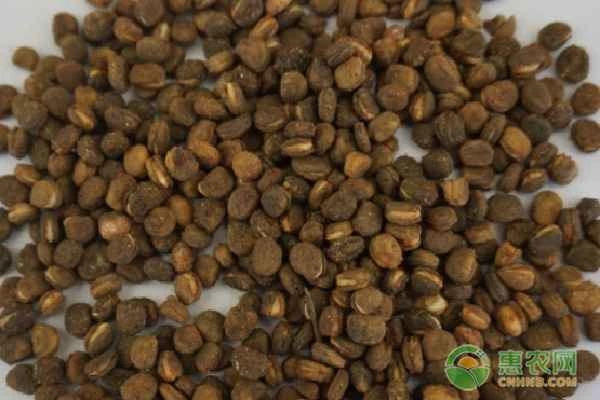
2. Seed treatment
Soak ginseng seeds in clean water for 48 hours to allow them to fully absorb water. Then, place the soaked seeds in a container with prepared soil and put it in a warm, sunny place. The seeds will open in about 1 to 3 months, and then they can be sown.
3. Sowing time
Ginseng seeds are best sown in spring or autumn. Spring sowing can be done in March or April, while autumn sowing can be done in September or October. At these times, the temperature is suitable, which is conducive to seed germination.
4. Site selection and land preparation
The soil should be sandy , rich in humus, loose, fertile, well-drained, and with a pH of around 5.5-6.5. After selecting the site, plow it 1-2 times before the ground freezes, to a depth of 20 cm. The following spring, during thawing, combine plowing with application of 4000 kg of fully decomposed farmyard manure per mu (approximately 0.067 hectares) that meets harmless and hygienic standards. About one month before sowing, break up soil clods, remove debris, and prepare the land into raised beds 1-1.5 meters wide and 25-30 cm high.
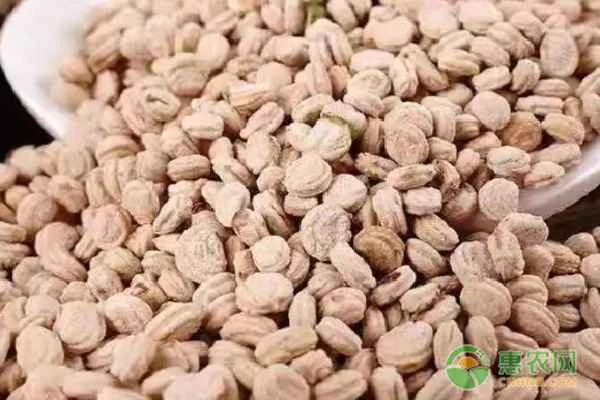
5. Planting methods
On the prepared seedbed, sow seeds in rows with a spacing of 5 cm between rows and 3 cm between plants, cover with 2 cm of soil, and then cover with 3-5 cm of straw to retain moisture.
6. Key points for transplanting
Spring planting should be completed in mid-to-late April, ideally before the overwintering buds sprout. Autumn planting should be completed in mid-to-late October, ideally before the soil freezes. Before emergence, a canopy with a front eaves height of 100-133 cm and a rear eaves height of 66-100 cm should be erected for shade. Plant immediately after digging, generally at a row spacing of (15-30) × (6-12) cm, either horizontally or at an angle, and cover with 5-9 cm of soil.