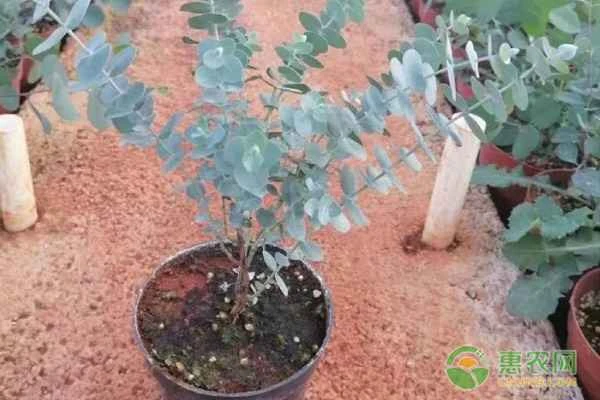
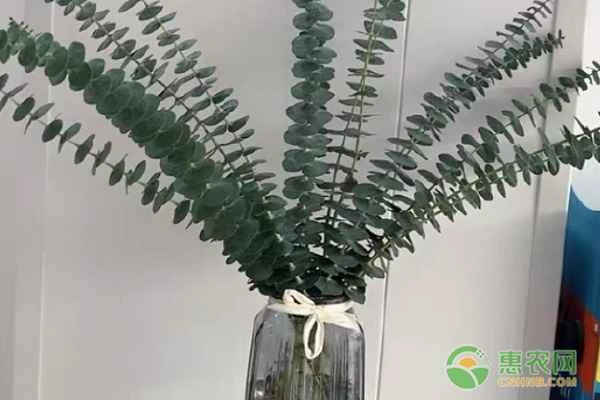
Eucalyptus has become a popular foliage plant in recent years. Its leaves are a sophisticated silvery-green with a misty surface and a natural fragrance. It can be trained into a tall, slender shape, adding a touch of elegance to any home. So how do you care for eucalyptus? Let's find out below.
1. Soil selection
Choose loose, fertile, and well-drained soil. You can mix peat moss, leaf mold, garden soil, etc., and add an appropriate amount of organic fertilizer to increase soil fertility.
2. Lighting control
Eucalyptus trees thrive in sunlight and should be kept in a sunny location. Ample sunlight promotes healthy growth and helps prevent excessive stem growth and lodging.
3. Temperature Management
Eucalyptus prefers a warm environment, with an ideal growing temperature between 15℃ and 25℃. In the summer heat, avoid direct sunlight to prevent leaf burn. The overwintering temperature is around 5℃; it can safely overwinter indoors, but ensure good ventilation.
4. Watering tips
Eucalyptus is a drought-tolerant plant, so it doesn't need to be watered too frequently. You can wait until the soil in the pot is mostly dry before watering, and when you do water, water it thoroughly. Alternatively, you can observe the plant's condition; if the leaves appear wilted and droopy, it's time to water it.
5. Apply fertilizer appropriately
Generally, if garden soil is used in the soil medium, fertilization is not necessary, or only occasional application of compound fertilizer is required. Lightweight media generally do not contain nutrients, so water-soluble fertilizer or compound fertilizer can be applied regularly, once every two weeks or once a month.
6. Scientific pruning
When eucalyptus seedlings are young, all the tender buds at the top should be removed. During the spring pruning season each year, all dead, old, and useless branches should also be pruned. A single-trunk pruning can also be performed, which not only increases the ornamental value but also promotes growth.