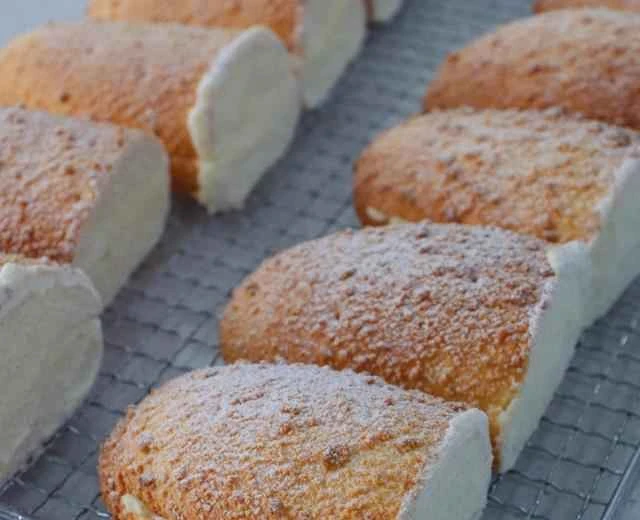
Let's achieve cheese bread freedom together today! This cheese bread is rich in milk flavor and very easy to make. One bite is incredibly satisfying—you definitely have to try it!
Materials
Who understands this joy? | Steps to make a soft, juicy cheese bun
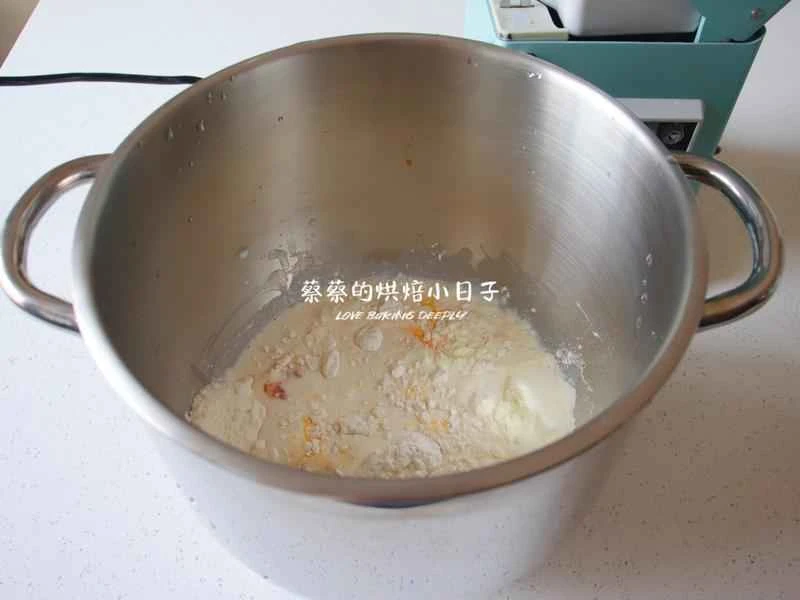
Except for the butter and salt, put all the dough ingredients into the stand mixer bowl and knead. First, start on low speed to set the dough's consistency, then switch to high speed. Flour absorbs water differently, and there are variations in temperature and humidity between northern and southern climates. If you are a beginner, you can reserve a little milk and add it as needed, depending on the dough's consistency.
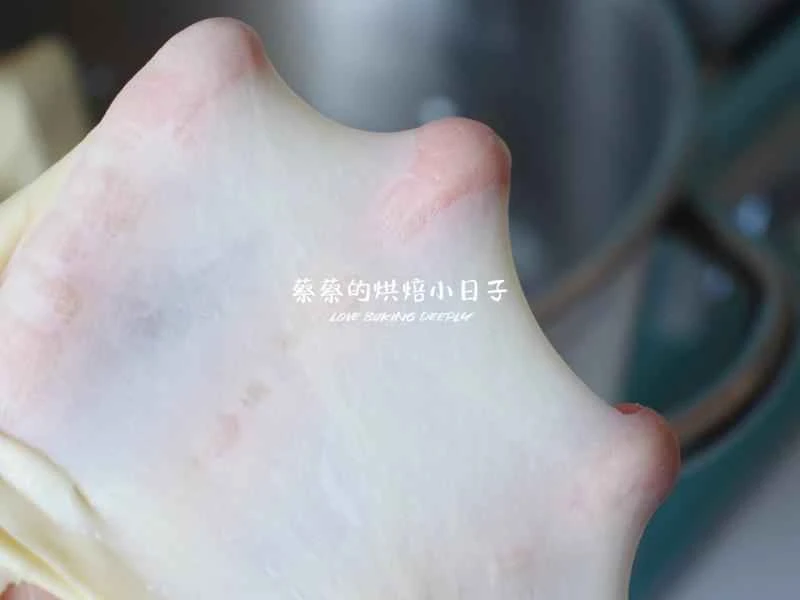
After kneading to the extended stage, add butter and salt, and knead until it forms a smooth, elastic membrane that doesn't easily break.
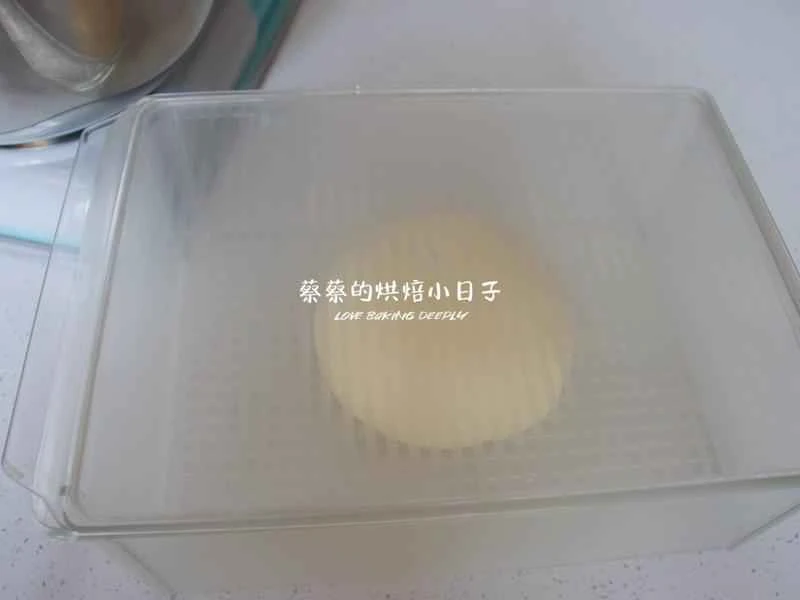
Shape the kneaded dough into a roughly round shape and place it in a proofing box. Let it rise in an environment of about 25-28 degrees Celsius.
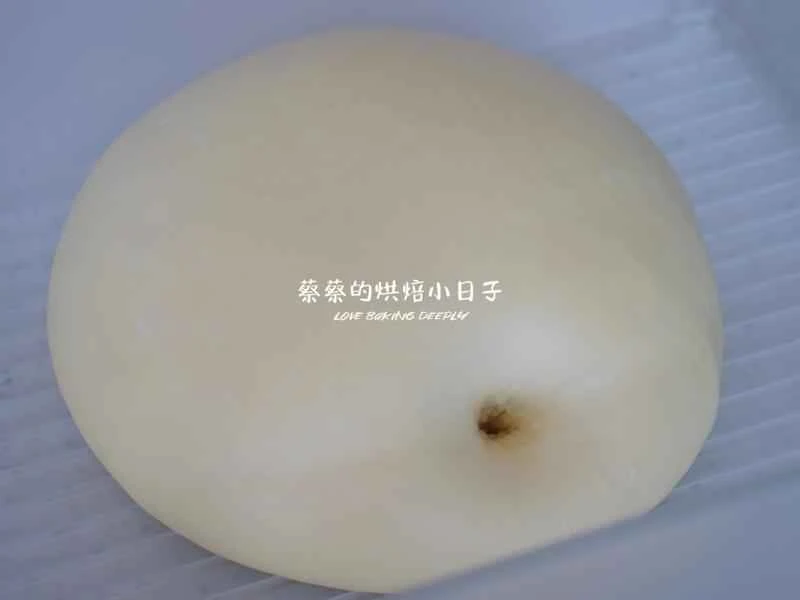
Ferment until it doubles or triples in size. When you poke a hole with a floured finger, it should not spring back or collapse. In warm weather, a very slow, slight shrinkage at the bottom indicates successful fermentation.
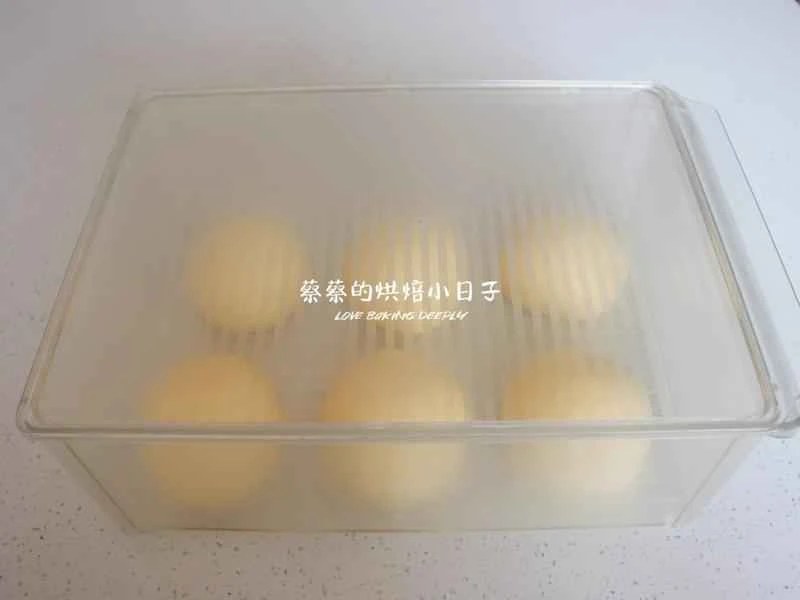
Deflate the risen dough by gently patting and pressing out large air bubbles. Divide the deflated dough into 6 portions, roughly round them, cover them, and let them rest for 15 minutes in an environment of about 25-28 degrees Celsius.
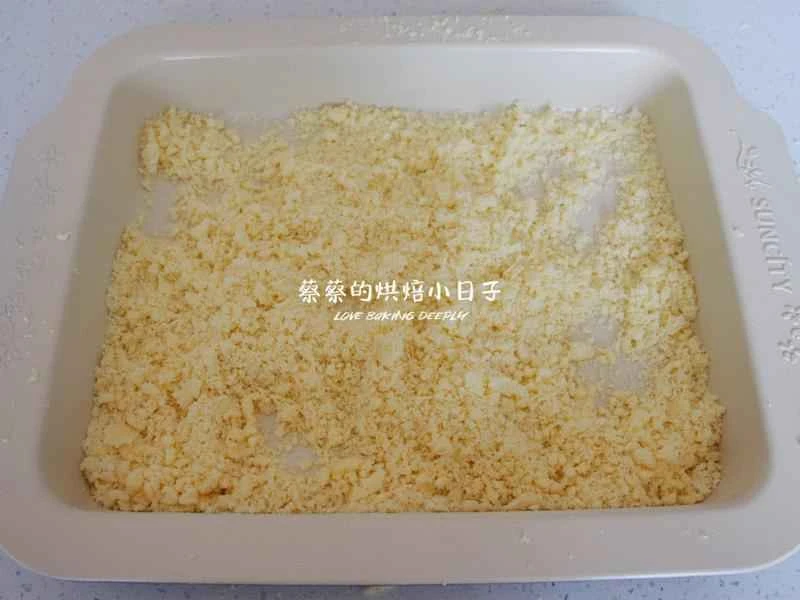
Mix all the ingredients for the streusel together until well combined. The picture shows a lot because I doubled the recipe. After making this bread, I also need to make streusel toast, so I made it all at once. If you follow the recipe exactly, you won't get this much.
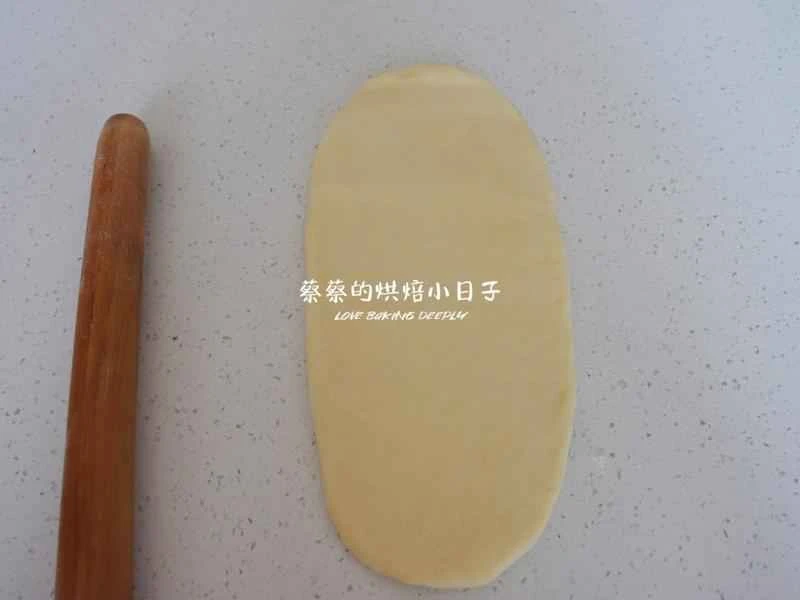
Roll out the relaxed dough into a large oval shape, and gently pat out any large air bubbles around the edges.
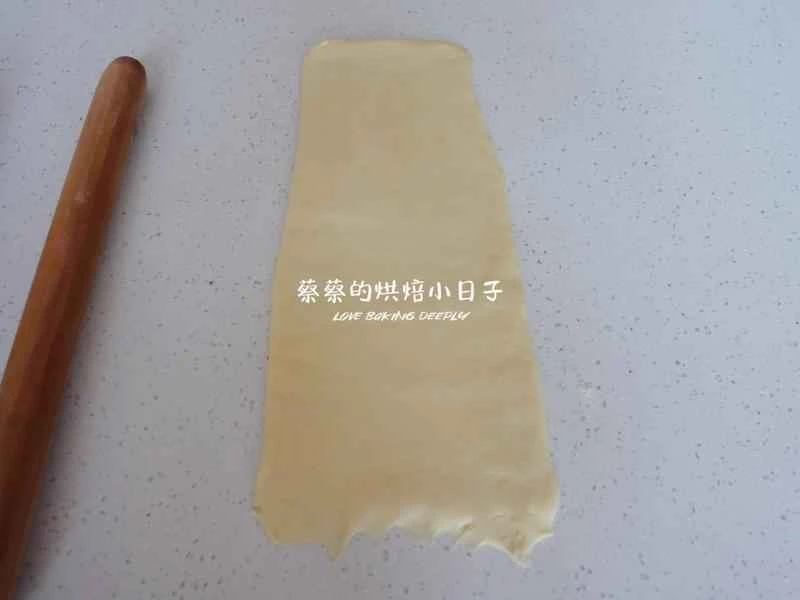
Flip it over so the smooth side is down, then roll it into a small rectangle and press the bottom edge thin.
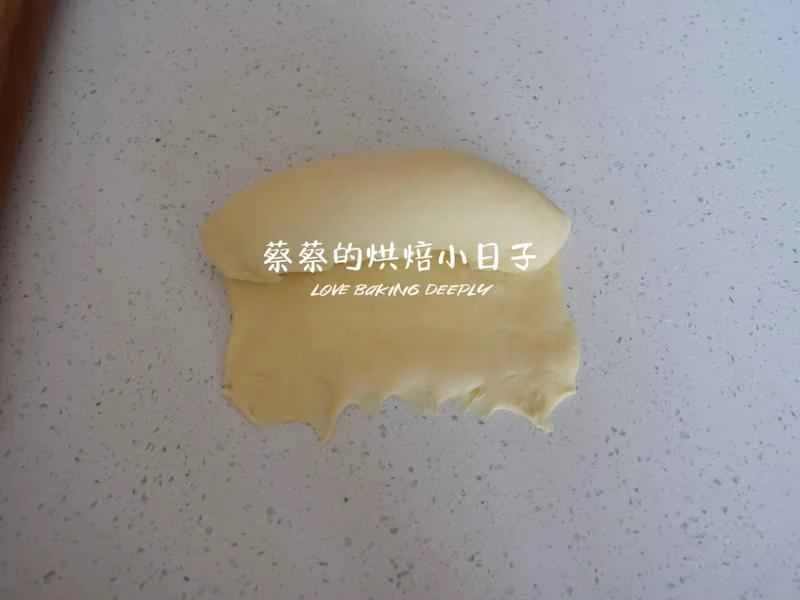
Roll it up from top to bottom, making it slightly tighter, and when rolling, bring both ends slightly towards the middle.
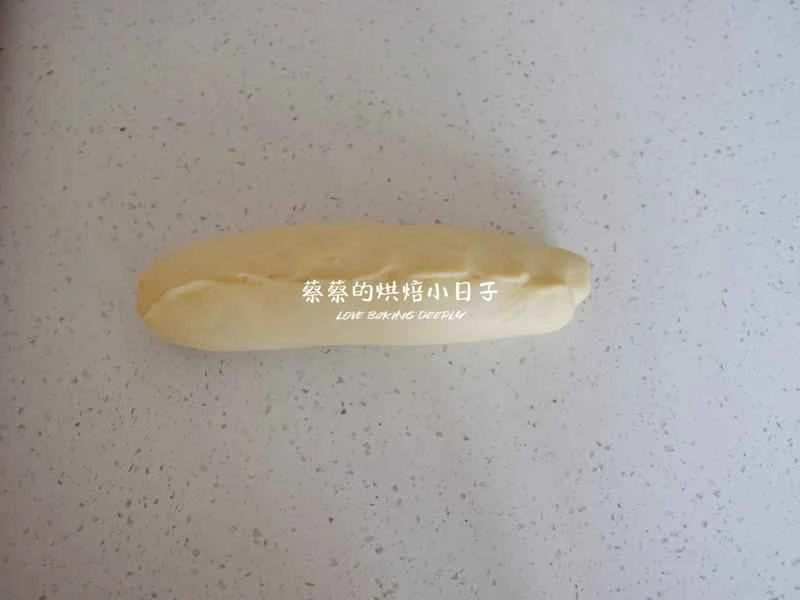
Pinch the opening tightly to seal it.
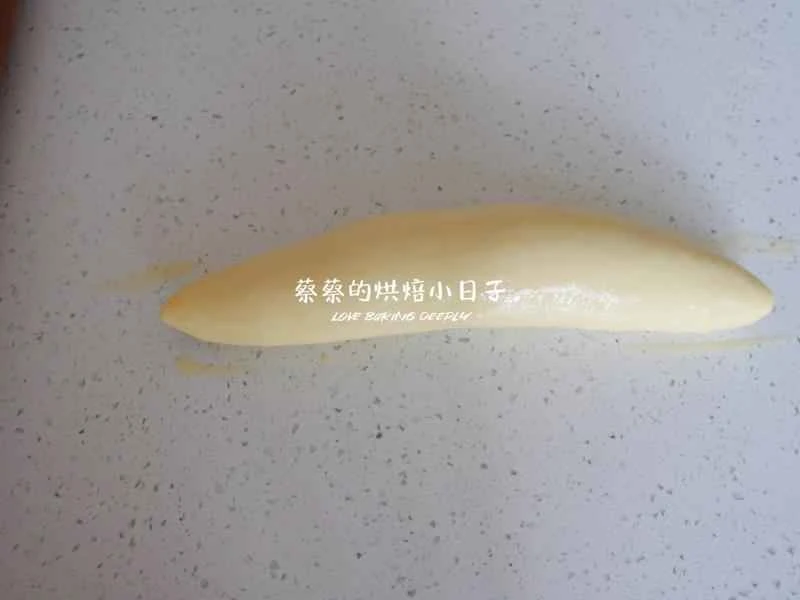
Slightly taper both ends to a point, roughly resembling an olive shape. Then brush the surface with beaten egg.
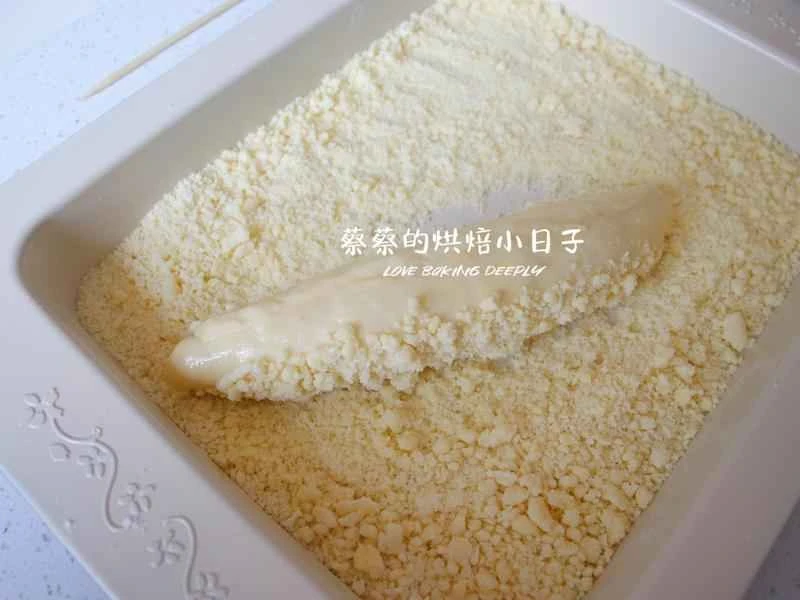
Apply streusel to the areas brushed with egg wash.
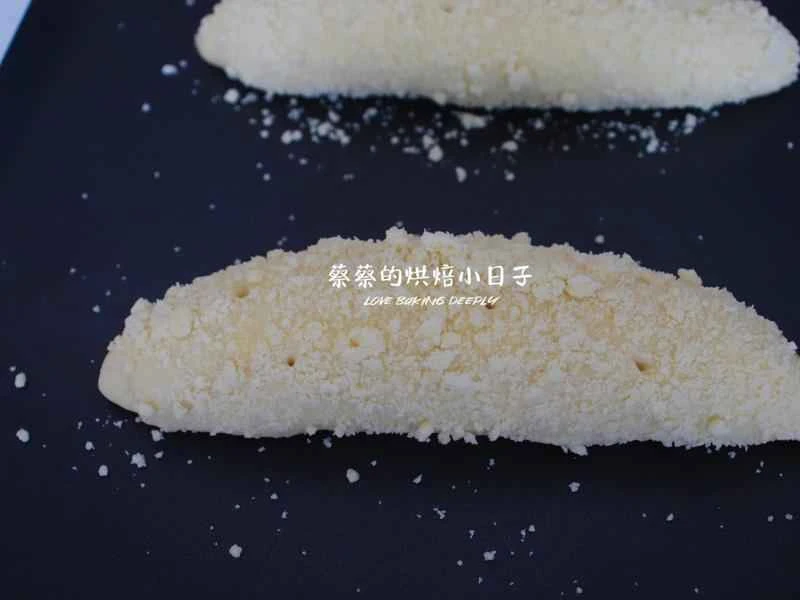
Place them on a baking tray and poke some small holes with bamboo skewers.
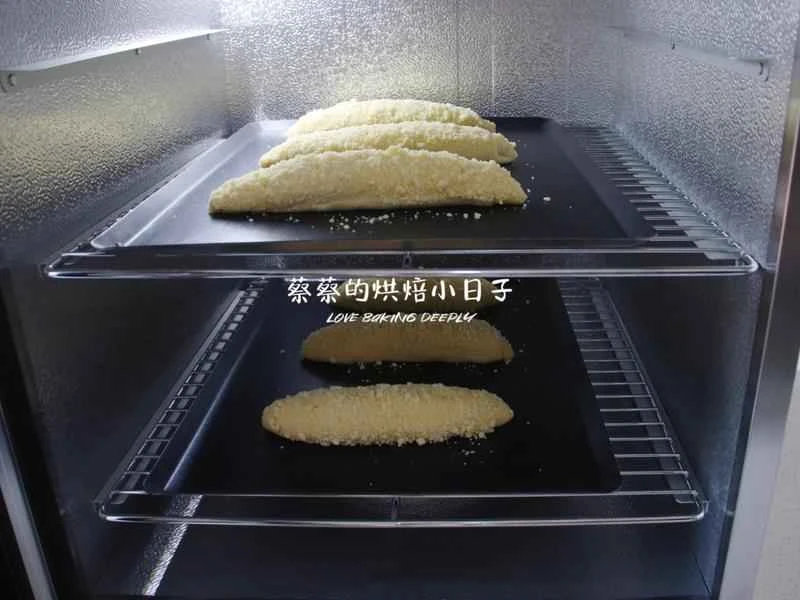
Place the dough in an oven or proofing box to proof at 35 degrees Celsius and 85% humidity for approximately 35 minutes, observing the dough's condition closely. If proofing in an oven, the humidity cannot be adjusted; place a little warm water inside to maintain approximate humidity. If proofing in an oven, remove the dough earlier, as it will continue to proof outside while the oven is preheating.
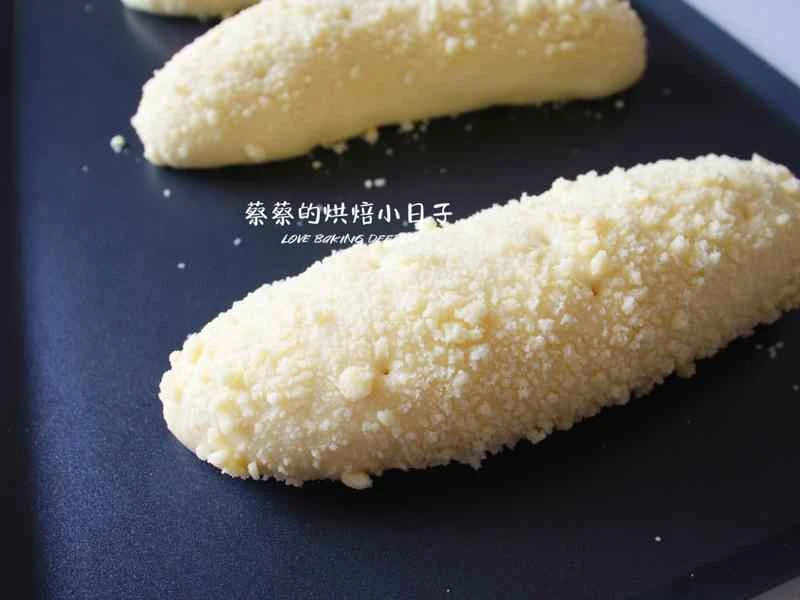
Let it rise to about 1.5 times its original size. The surface of the dough should be elastic and slowly spring back when pressed lightly.

Place in a fully preheated convection oven, using the convection setting to bake two racks simultaneously at 160 degrees Celsius for 20 minutes. The time and temperature are for reference only; please adjust according to your own oven.

Baking in progress~
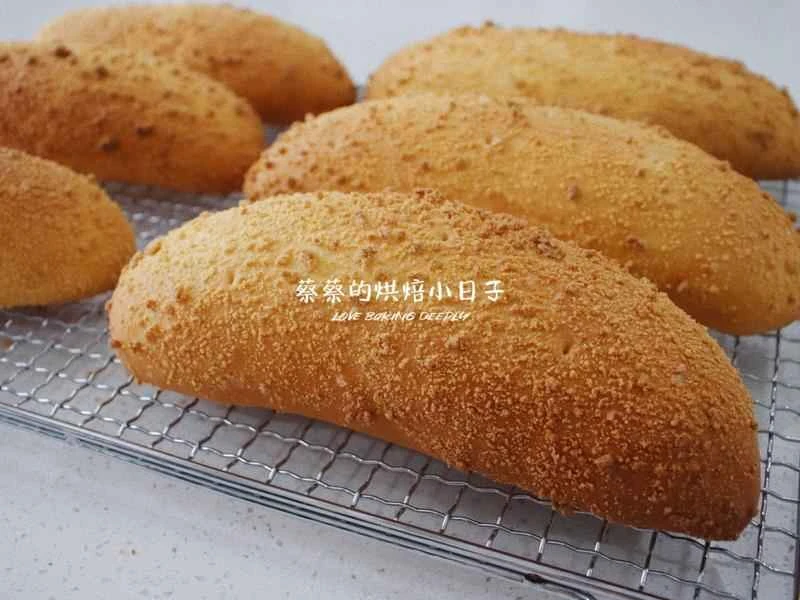
Once baked, gently tap the mold to release the hot air, then place it on a cooling rack to cool slightly.
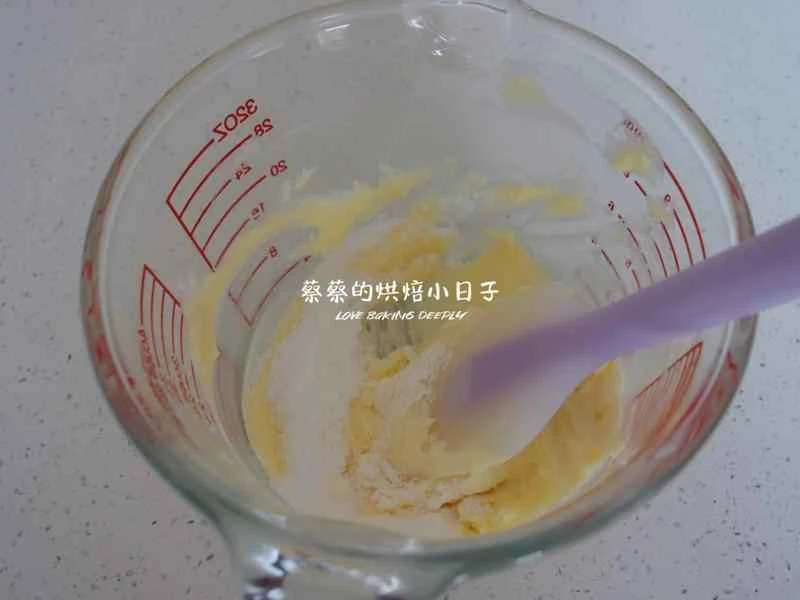
Soften the cream cheese at room temperature beforehand, then mix in the powdered sugar.
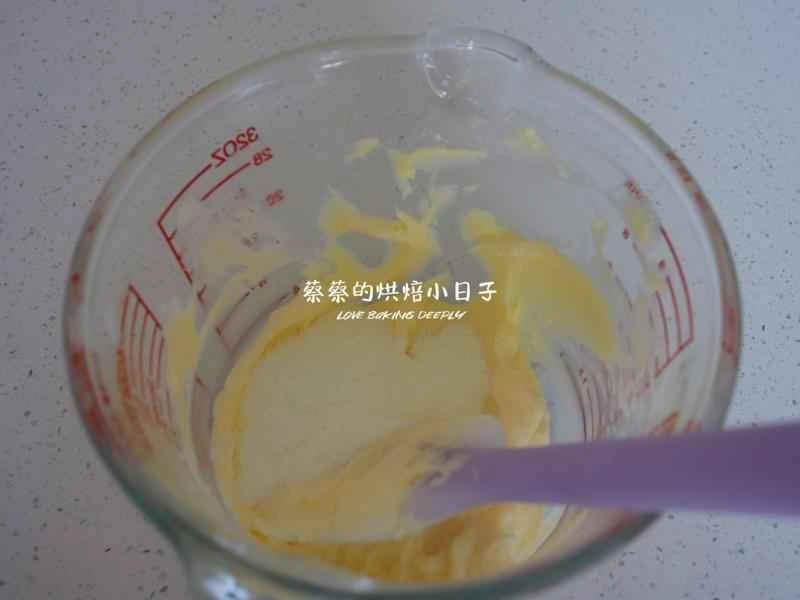
Add milk powder and mix well.
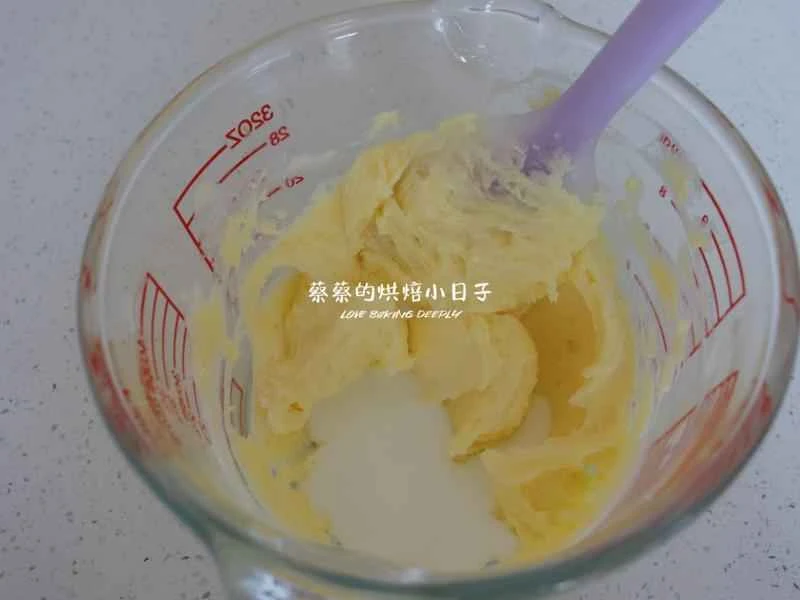
Add milk and mix well.
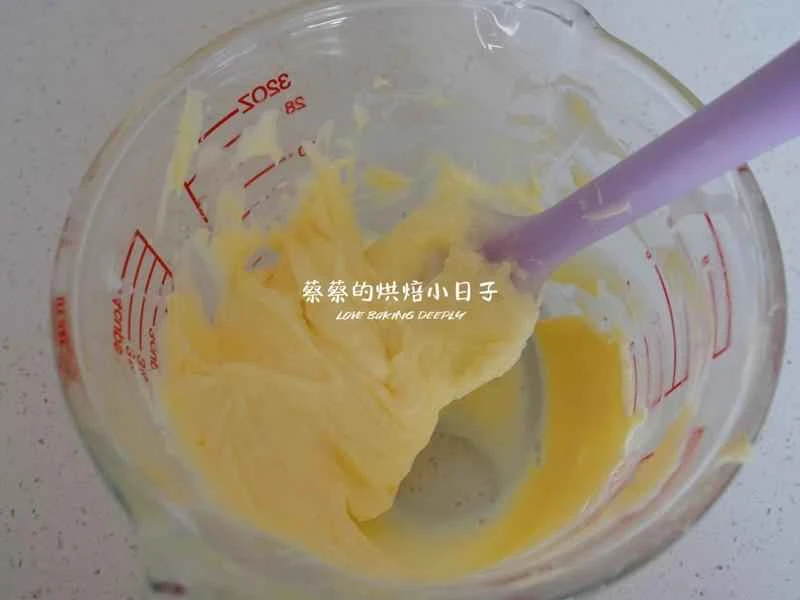
The prepared cheese sauce is incredibly smooth and has a rich, creamy flavor.
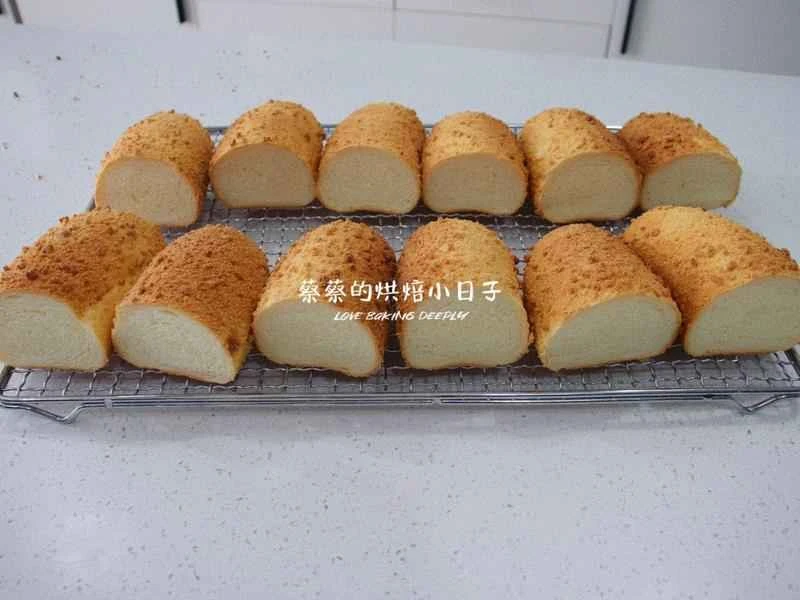
Cut it in half, and a loaf of bread will be divided into two pieces.
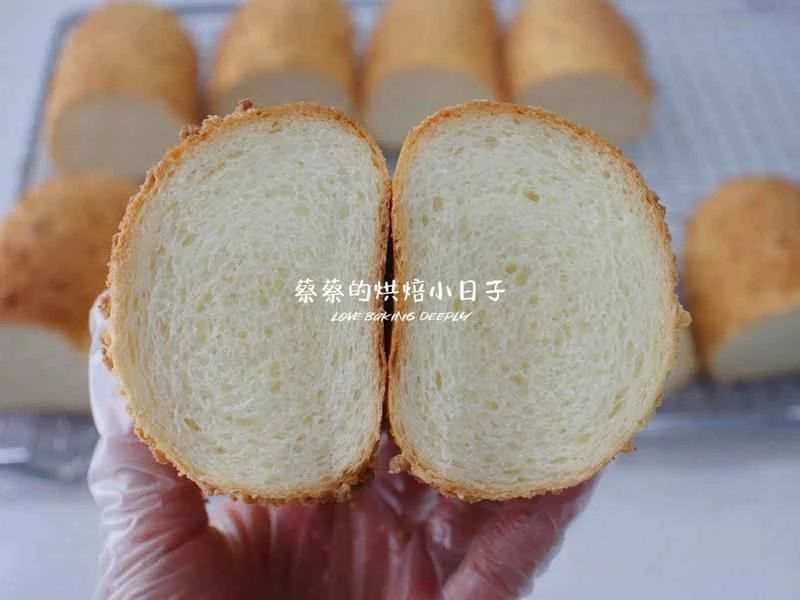
The organization is awesome!
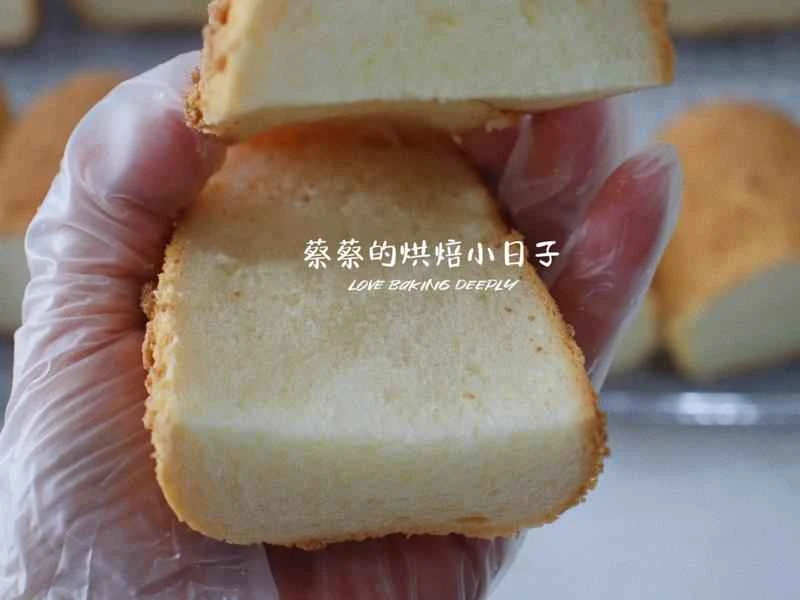
Cut it in half again, but don't cut off the top. You can also refer to the video above for the technique.

Spread plenty of cheese sauce on the cut surface.
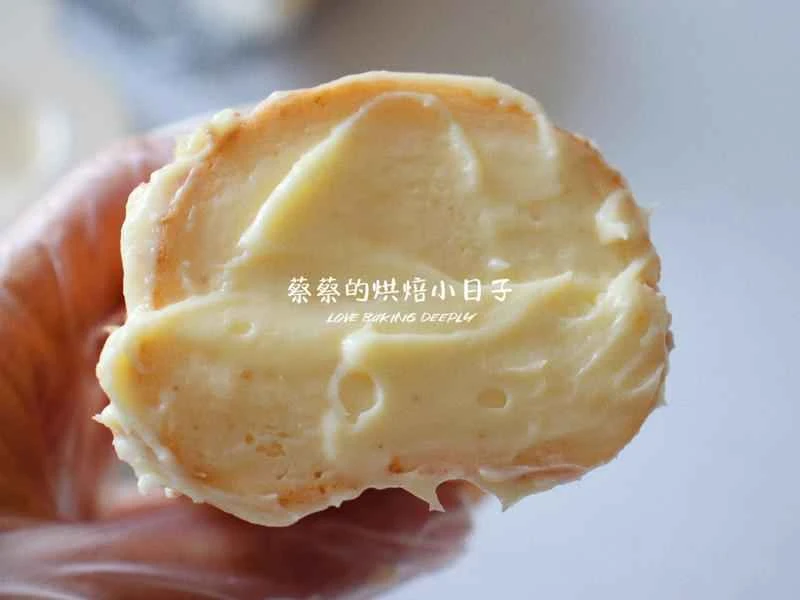
The outer slice is also covered with a generous amount of cheese sauce.
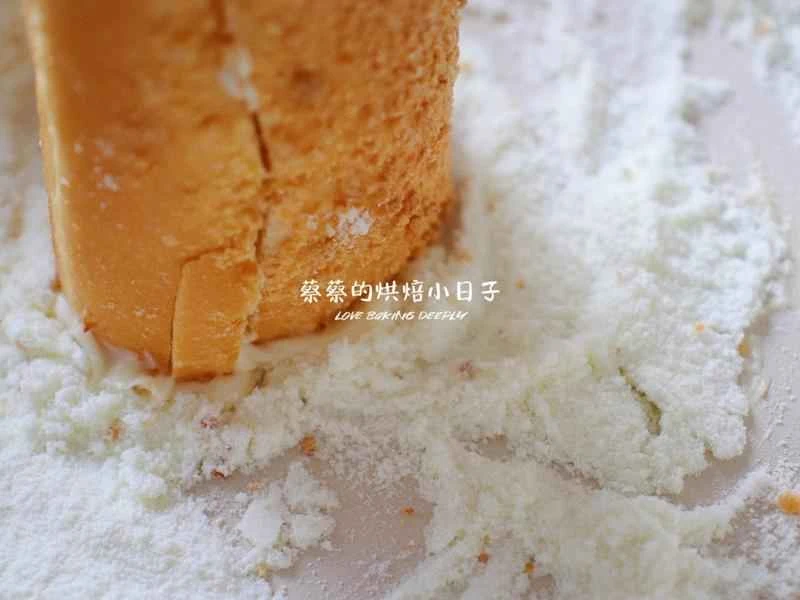
The outer cut surface is coated with milk powder, but the filling inside doesn't need to be coated with milk powder.

Sift some more moisture-resistant powdered sugar on the surface.
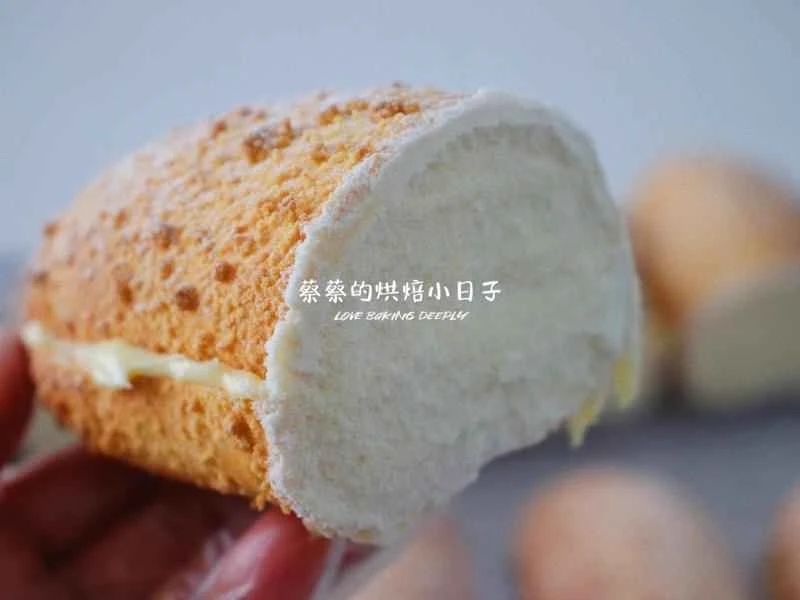
That's it!
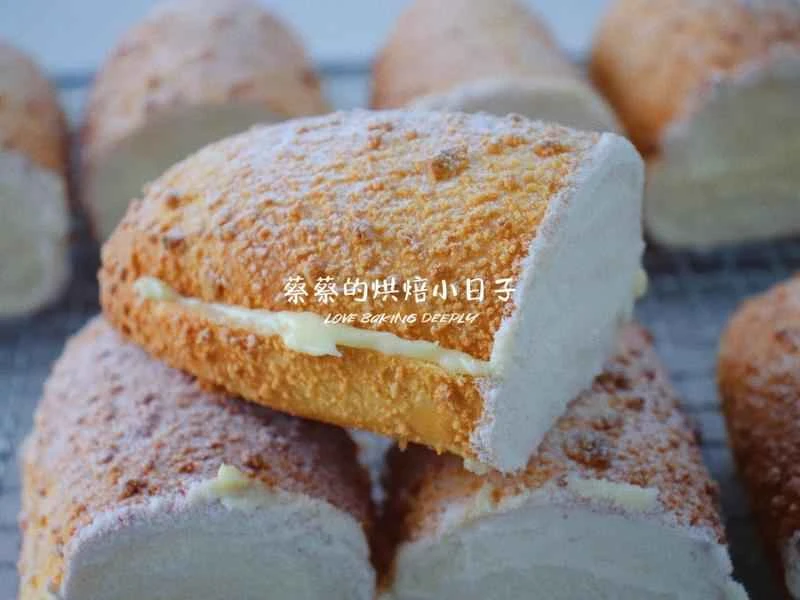
The bread is soft, the filling is delicious and not greasy, and the whole bread has a very strong milky aroma. You must try it.
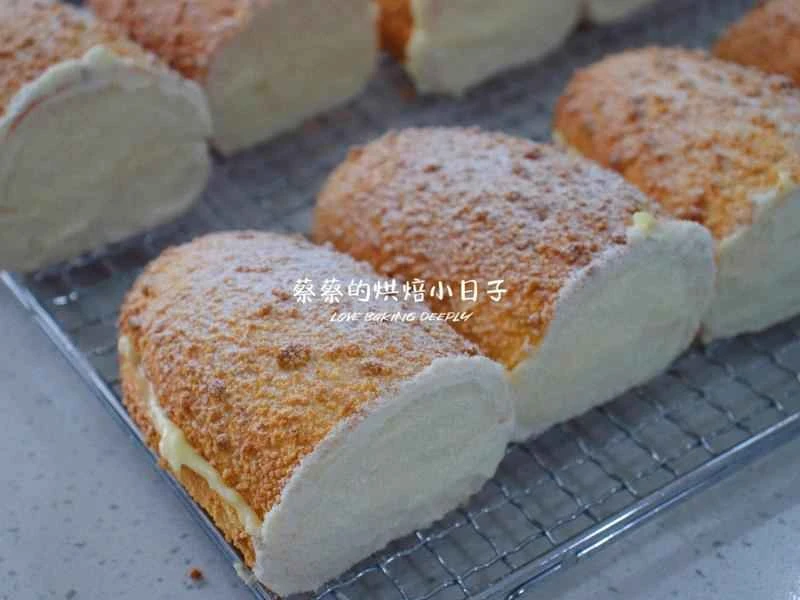
I've achieved cheese bag freedom! Yay!

A cheese bun that bursts with flavor in every bite—so satisfying!
Who understands this joy? | Tips for making a soft, juicy cheese bun
Many friends have asked: "I followed the recipe exactly, why is mine too wet? Why is mine too dry? Why...why..." Making bread requires flexibility in adjusting the liquid content of the recipe. Flour absorbs water differently, and the climate and humidity vary from north to south. You must observe the dough's consistency and add liquids accordingly—this is a well-worn topic! Homemade yogurt is thicker than store-bought. If using thinner yogurt, remember to reserve some and add it as needed, observing the dough's consistency. Adjust the time and temperature according to your own oven. Large and small ovens differ significantly, and even two identical ovens from the same brand will have temperature variations.