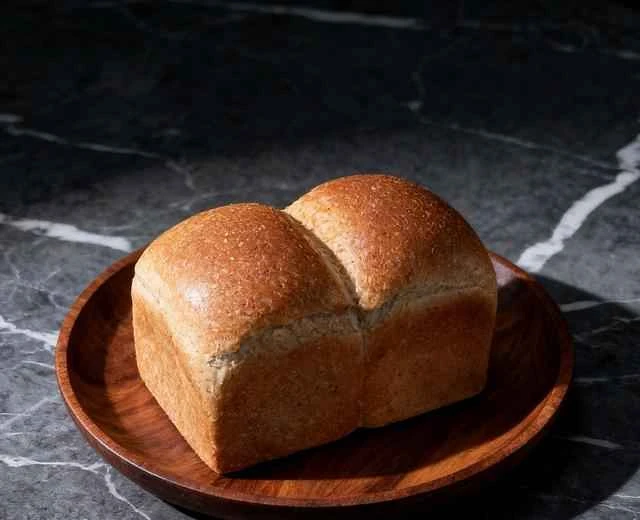
In whole wheat flour production, unless you're an experienced baker, never try recipes claiming 100% water or 100% whole wheat – that's simply wasting flour. You should stick to the most stable method: maintain a moisture content of 65% and a whole wheat content of no more than 40%. Otherwise, following extreme methods with excessively high whole wheat or water content will almost certainly lead to failure.
Materials
Whole wheat flour (preferably fine whole wheat; coarse whole wheat requires experience in kneading).
200 grams
High-gluten flour
300 grams
water
325 grams
dry yeast
5 grams
Essential knowledge for making whole wheat bread: "Baking principles" and steps
Step 1
Whole wheat dough needs to be kneaded slightly under-kneaded; it shouldn't be kneaded until it forms a membrane. If it looks like it's going to form a membrane, it's over-kneaded and can only be divided into several portions and frozen to be used as starter.