Replacing an oven is a headache! Because I wasn't a baking enthusiast when the house was first renovated, and the kitchen's western-style storage space isn't large enough, my oven size requirements were strict; anything over 40 liters was out of the question, leaving only small ovens. My initial Galanz 21-liter countertop oven in 2010 was a symbolic little appliance for baking egg tarts—I remember buying it casually while browsing Metro's membership supermarket. Until 2017, this tiny oven was used in conjunction with a bread machine, a period when my baking interest was just starting to grow. In 2018, I upgraded to a 28-liter Kanto steam oven, and in 2019, I added a 30-liter Hauswirt steam oven. These two treasures have witnessed my baking growth and helped me successfully obtain my pastry chef qualification certificate. In early 2024, I replaced them with my current 40-liter CAS CO540 air-conditioning oven and a 35-liter Robam DB610 steam oven. With more time to study baking, I'll upgrade my tools more frequently. When I renovate my house later, a large kitchen that integrates both Western and Chinese cooking methods will be a top priority. Every time I receive a new (steam) oven, I'm eager to try it out. However, getting used to the baking temperature and time of each machine is a long process, which dampens my enthusiasm. Like a novice, I'm cautious, fiddling around, struggling, frustrated, and stumbling... constantly battling, recording countless times, adjusting and changing... until finally succeeding. Baking a cake roll with the CAS CO540 oven was a process like this. Initially, I followed the 150℃ 30-minute method recommended by bloggers on various apps. The surface and height of the roll were indeed fine, but the towel-like surface was oily. So I wrestled with the oven, adjusting each temperature range, recording and improving, improving and recording again. Finally, perseverance paid off, and I found the temperature and time that prevented the towel-like surface from peeling off. I'll record it here. After countless experiments, I feel that the surface of the towel is closely related to temperature, time, number of layers, whipping of egg whites, and even room temperature and the age of the oven heating element. Some of these factors are complex and even a bit mysterious, but the most important factors are still temperature and time.
Materials
Record of baking temperature and time for cake rolls using the CAS CO540 air-conditioning and flat-top oven (both regular and towel-like rolls): Steps
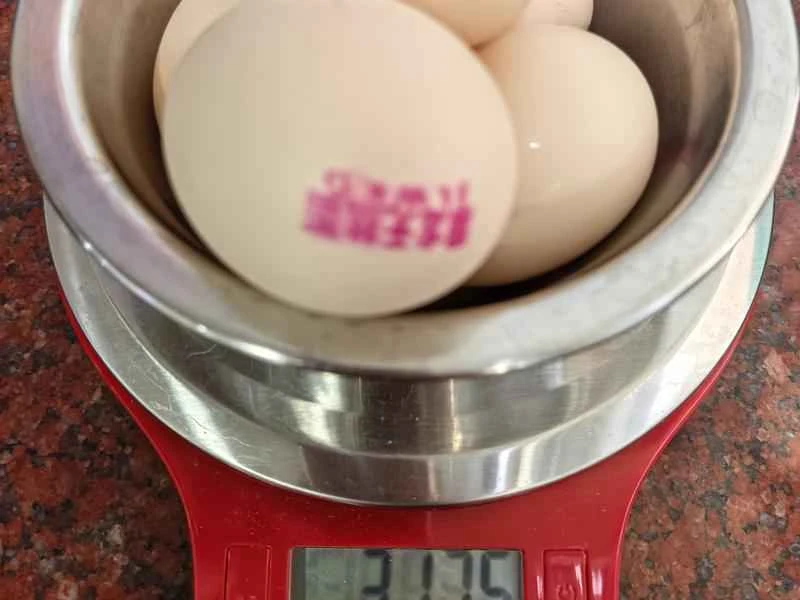
Weigh the eggs, which should weigh approximately 320 grams. Clean them thoroughly, dry them, and refrigerate them for later use.
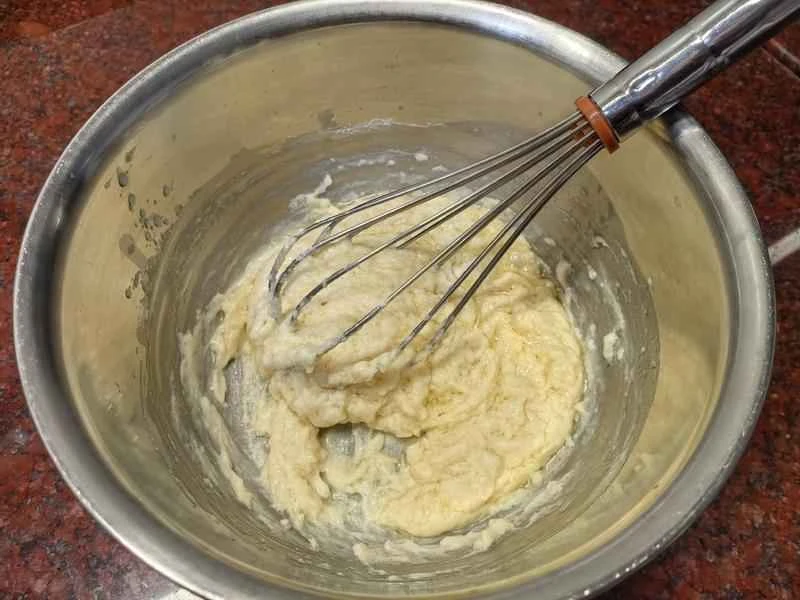
Mix corn oil, milk, salt, and almond powder thoroughly until emulsified. Then add low-gluten flour and mix until there is no dry flour.
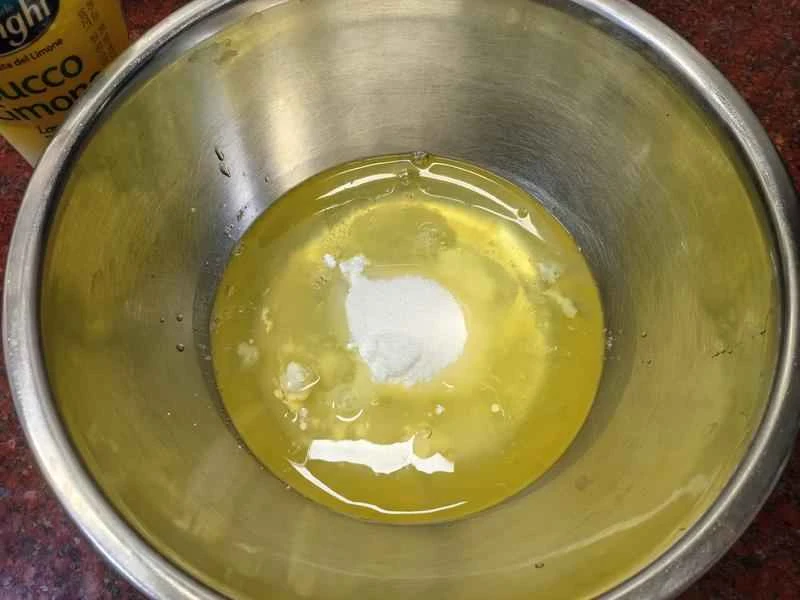
Separate the egg yolks and egg whites. Make sure the bowl for the egg whites is completely dry and free of oil. Add lemon juice, cornstarch, and granulated sugar to the egg whites, seal well, and freeze for 30 minutes. I usually store my whisk in the freezer, so I don't need to freeze it separately.
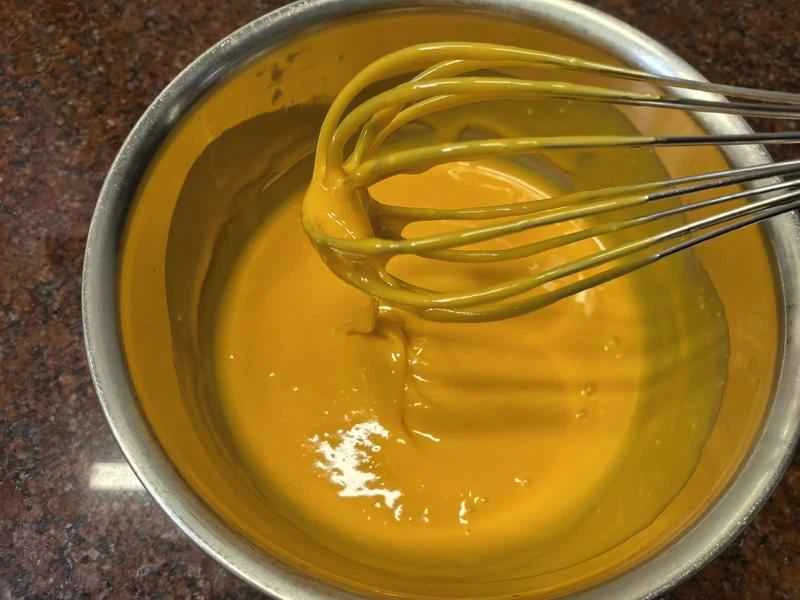
Using the post-egg yolk method, mix the egg yolk batter until it reaches a consistency where the drops can be stacked when the whisk is lifted. Cover with a damp cloth and set aside.
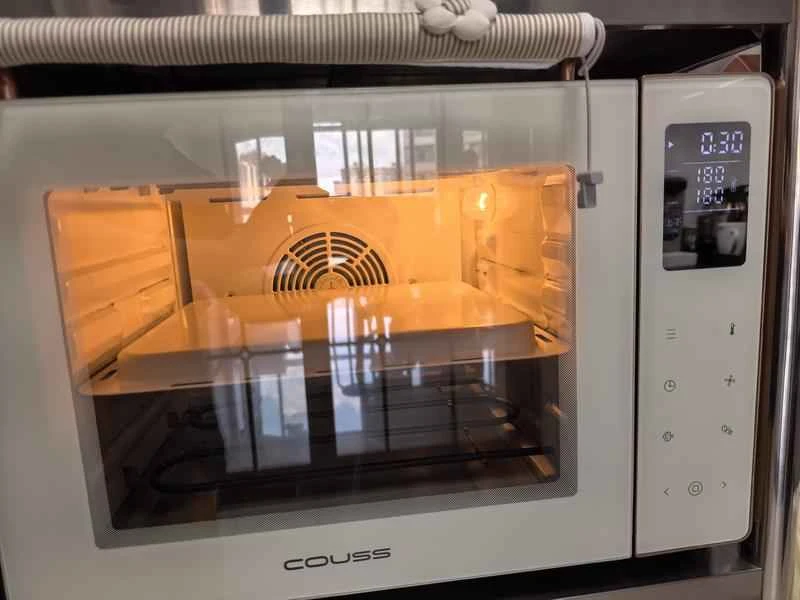
Preheat oven to 180℃.
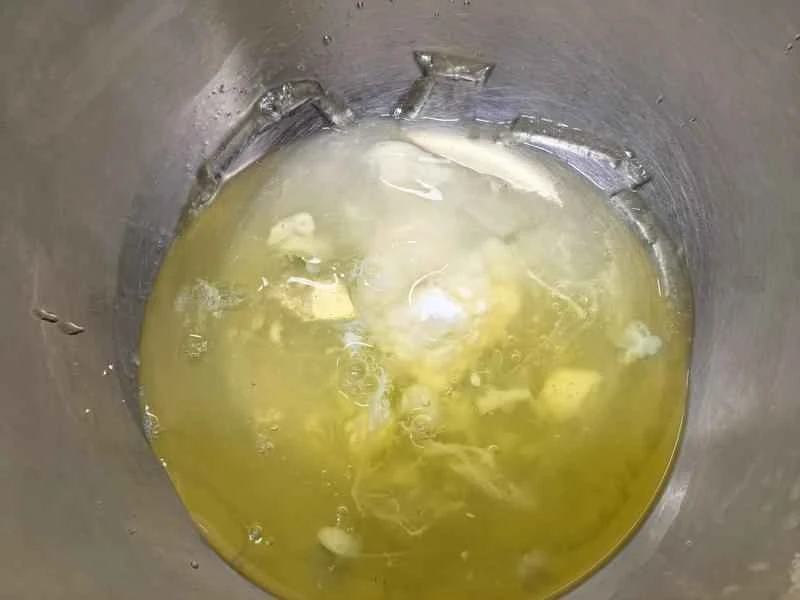
Take out the frozen meringue with a ring of ice crystals around the edge and whip it. Start at medium-high speed and then low speed to make it smooth. When checking the whipping state, be sure to move the whisk around in the bowl of meringue a few times before lifting it up to check. This will give you a true picture of its consistency and prevent uneven whipping.
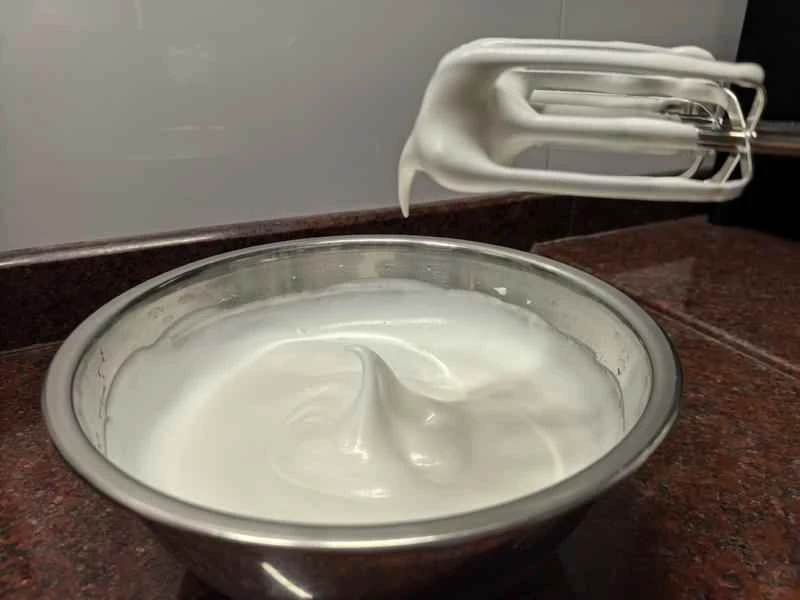
The final state of the meringue is a medium hook shape.
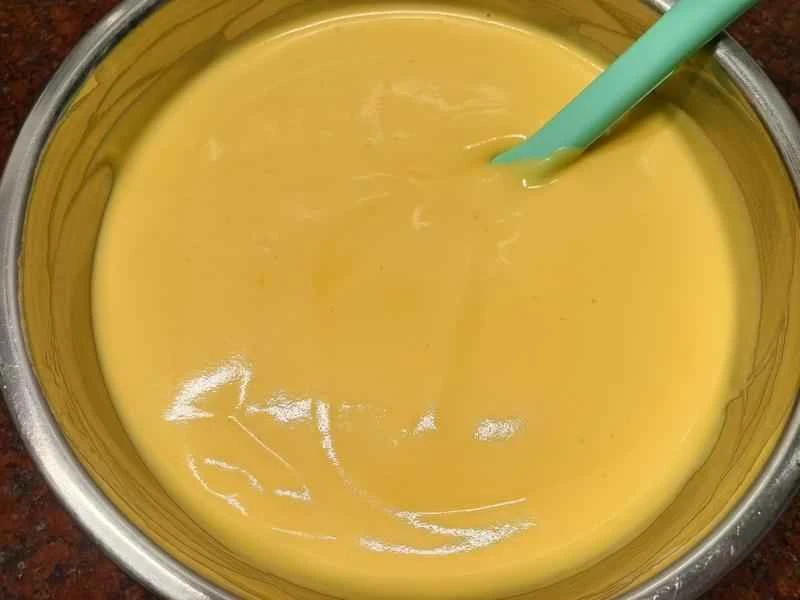
First, scoop 1/3 of the meringue into the egg yolk mixture and fold it in until well combined. Then, pour the egg yolk mixture back into the remaining 2/3 of the meringue and continue to fold it in until well combined.
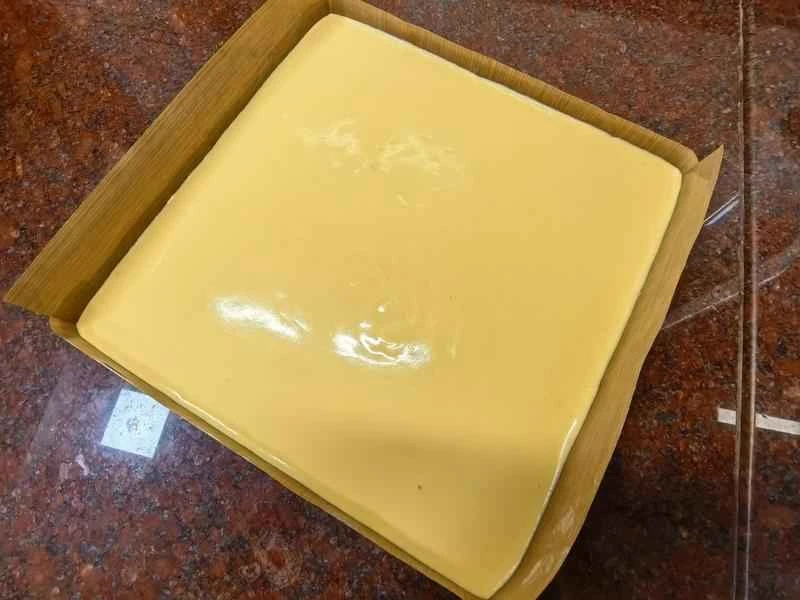
Pour the batter into a 28*28 baking pan from a height and gently tap to level it.
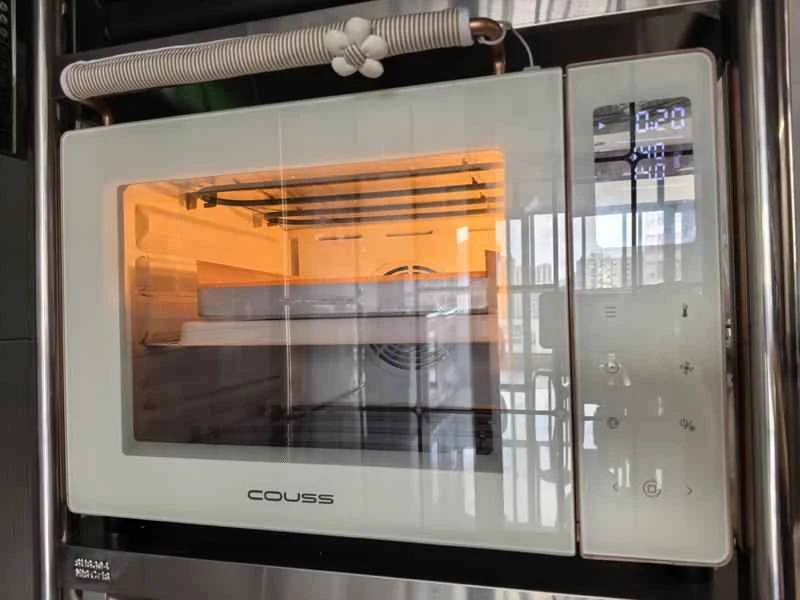
This CO540 oven has four racks. Placing the cake on the middle two racks wasn't ideal—either too high or too low. After several attempts, I decided to place the baking pan upside down on the second-to-last rack, which puts it perfectly in the middle. I poured in the cake batter, baked it at 140℃ (top and bottom heat) for 20 minutes, and kept the oven door closed the entire time. A well-sealed oven is prone to bulging.
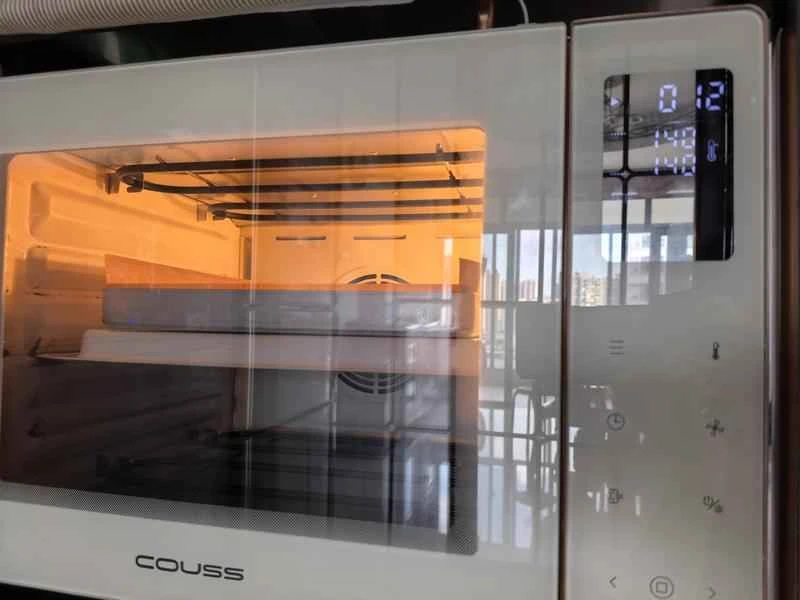
When there are 12 minutes left in the baking time, turn on the oven's convection function to speed up the even drying of the cake roll's surface.
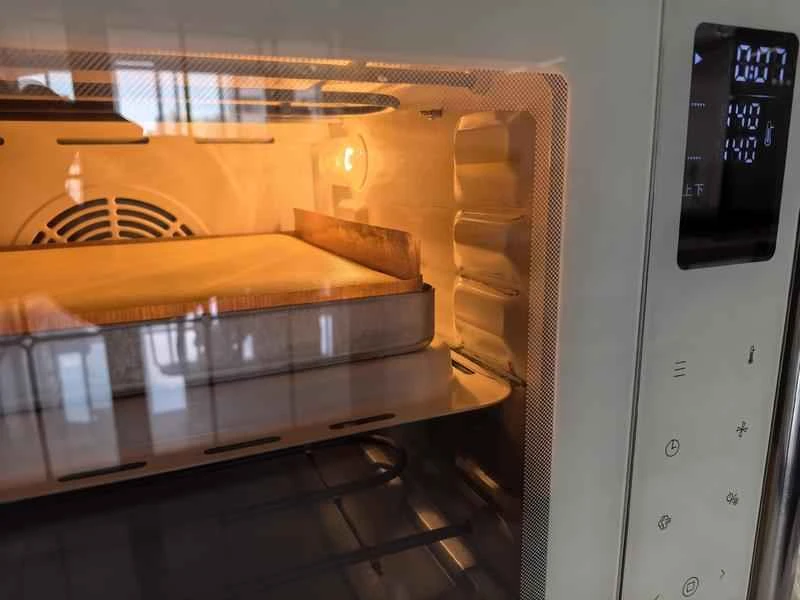
This is what it looks like with 7 minutes left in the baking time.
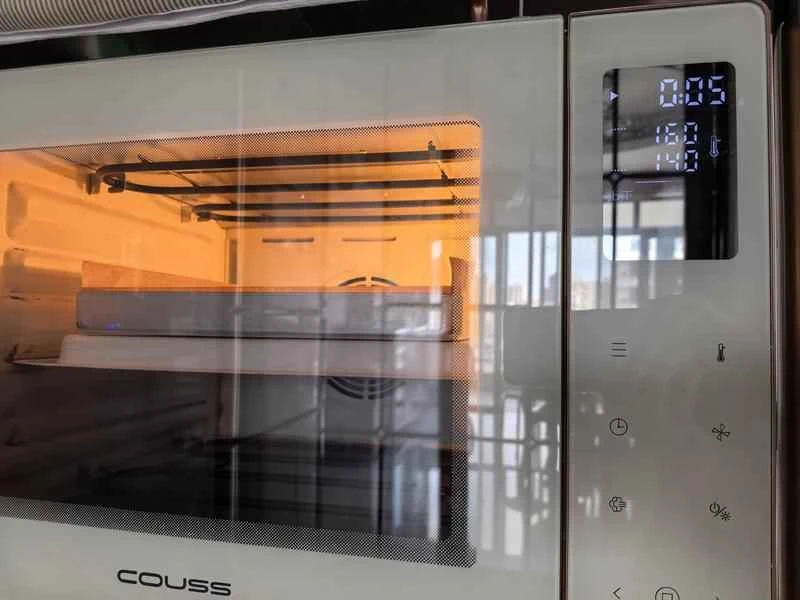
When there are 5 minutes left in the baking time, increase the top heat temperature to 160°C, while keeping the bottom heat at 140°C.
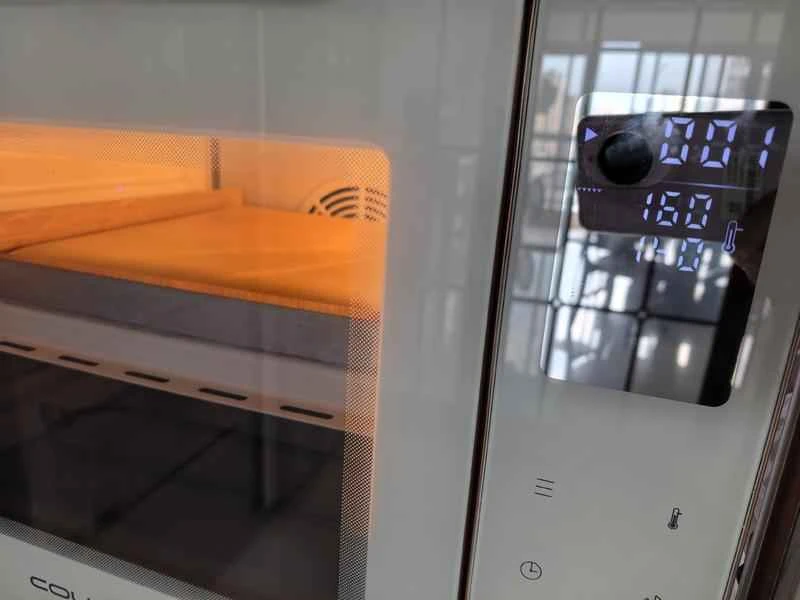
Bake for about 1 minute with the last bit of baking time remaining.
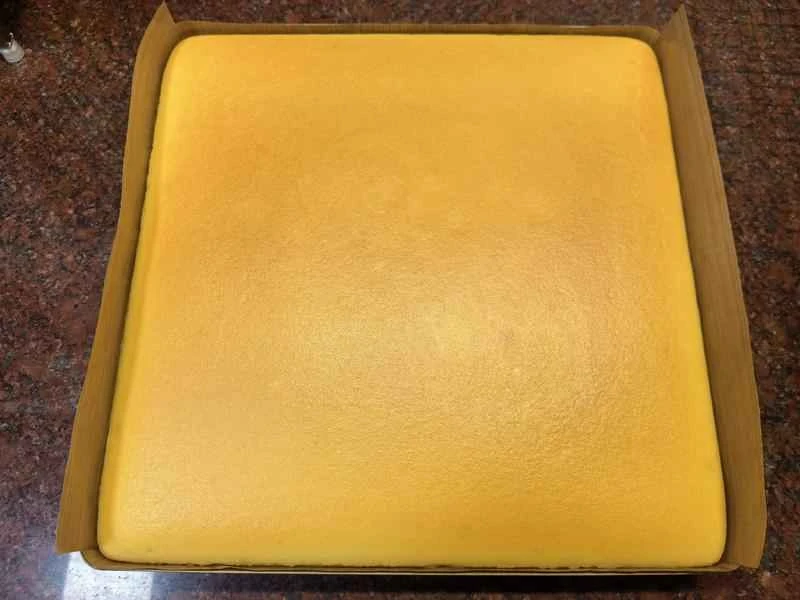
Remove from the oven immediately after baking and use a vibrating plate to cool off any remaining hot air.
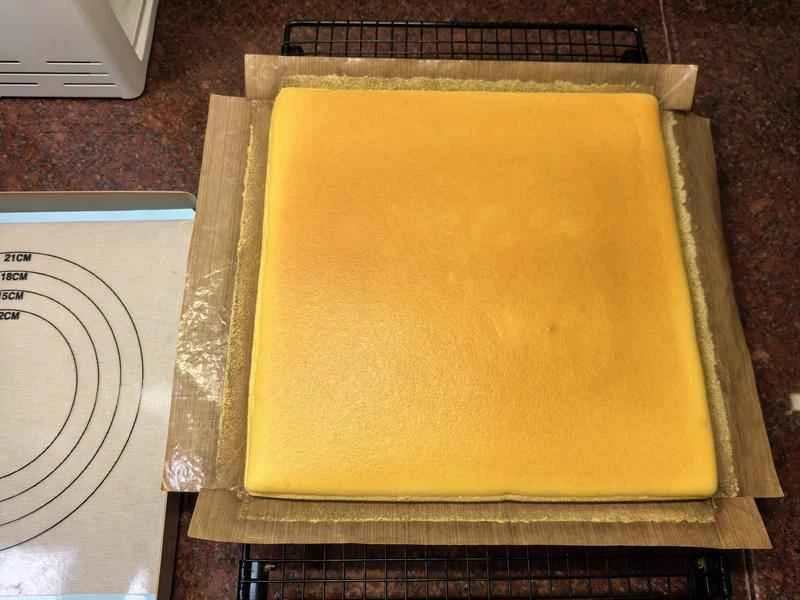
Place it on a wire rack to cool. You can tear open the edges of the oilcloth while it's still hot to accelerate heat dissipation.
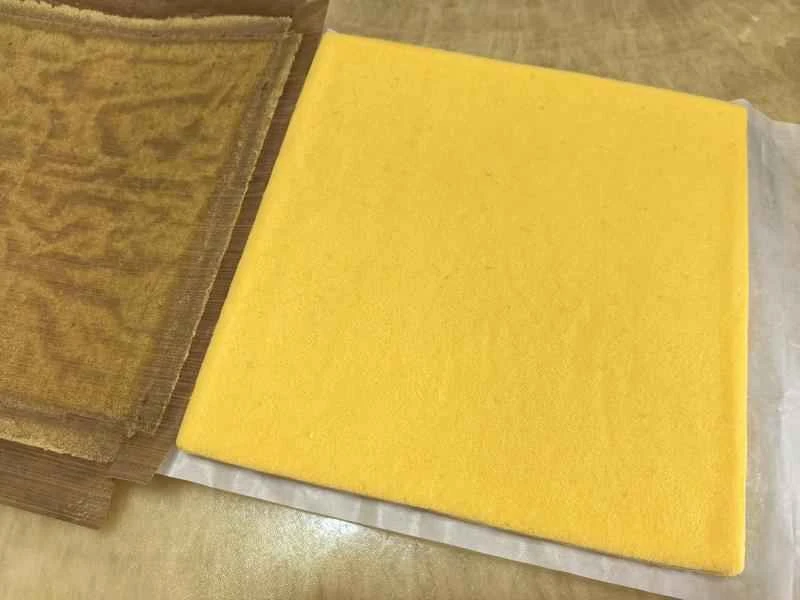
Let it cool for about 30 minutes until it reaches hand temperature, then flip it over, peel off the oilcloth, and the beautiful towel-like side is revealed. (P.S. When I had very oily skin before, I suspected it was the oilcloth that was the problem, and I tried many different oilcloths.)
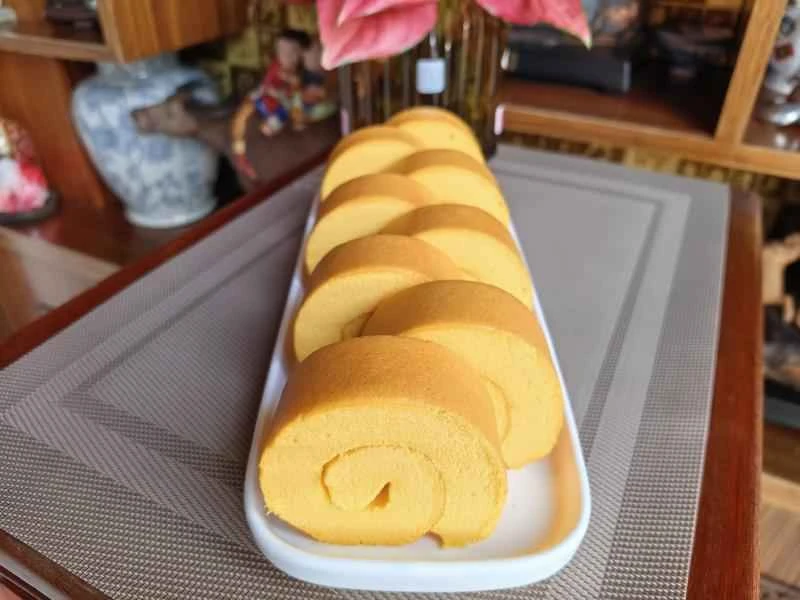
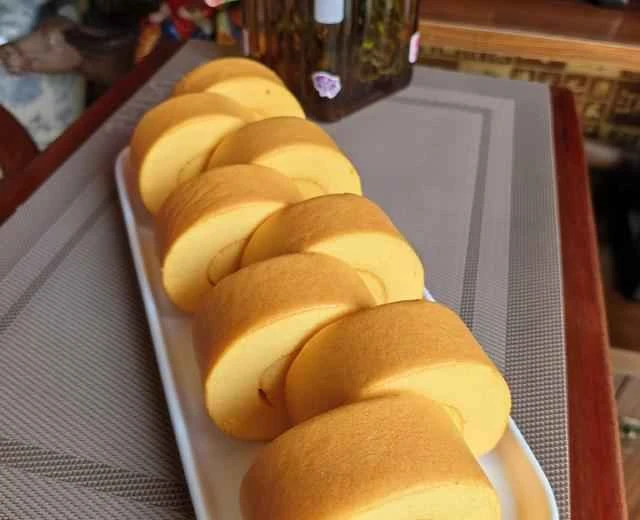
Using a rolling pin and a steel ruler, roll it up, place it in a roll mold to shape it, refrigerate for 30 minutes, then cut it into pieces and arrange it on a plate.
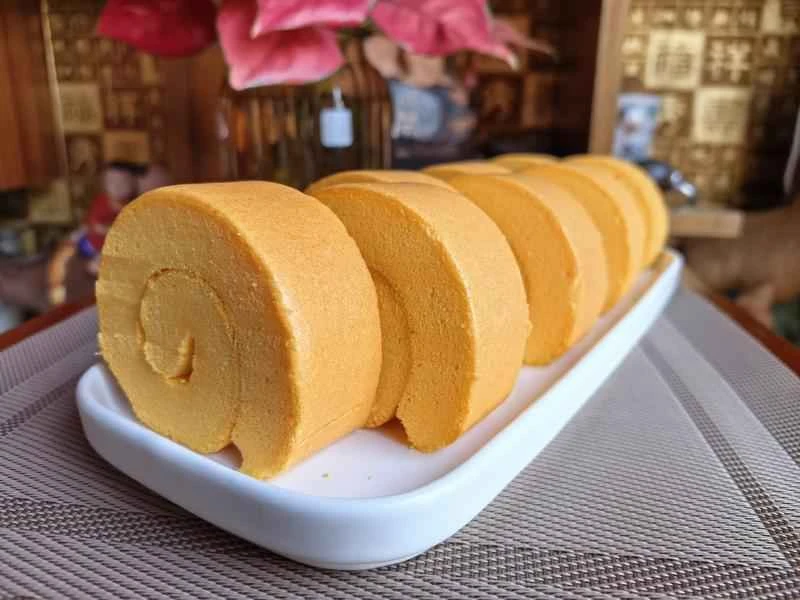
We can eat now.