Kuding tea is a health-promoting tea. Do you know this? Let's learn about it together.
Kudingcha
Kuding tea is a traditional Chinese all-natural health beverage, derived from the leaves of the large-leaved holly (Folium llicis Latifoliae), a plant in the Aquifoliaceae family. It grows on hillsides, in bamboo forests, and in thickets. It is distributed in the provinces along the lower reaches of the Yangtze River and in Fujian province.
Kuding tea (Ilex kudingcha CJ Tseng) is an evergreen tree belonging to the Ilex genus of the Aquifoliaceae family. Commonly known as tea buds, fuding tea, or gaolu tea, it is mainly distributed in Guangdong and Fujian provinces and is a traditional, all-natural health beverage in my country. Kuding tea contains over 200 components, including kuding saponins, amino acids, vitamin C, polyphenols, flavonoids, caffeine, and proteins. The finished tea has a fragrant aroma and a bitter taste followed by a sweet and cooling aftertaste. It possesses various health benefits, such as clearing heat and relieving summer heat, improving eyesight and intelligence, quenching thirst, promoting urination and strengthening the heart, moistening the throat and relieving cough, lowering blood pressure and aiding weight loss, inhibiting and preventing cancer, anti-aging, and promoting blood circulation. It is known as "health tea," "beauty tea," "weight loss tea," "blood pressure lowering tea," and "longevity tea." In recent years, research on kuding tea has focused on the nutritional and health benefits of processed tea and tea beverages. Various health foods, including tea bags, kuding tea granules, kuding tea tablets, and compound kuding tea, have been successfully developed. Currently, research on the cultivation, processing, physiology and biochemistry, and application of Kuding tea is very active. However, further in-depth research is needed on its refined processing, deep processing, trade, and physiological and biochemical mechanisms, especially the functional components of Kuding tea, in order to promote the development of Kuding tea beverage resource utilization.
The effects of bitter tea
Folium llicis Latifoliae
(UK)Broadleaf Holly Leaf
Also known as pineapple tree, large-leaf tea, and bitter lamp tea.
The source is the leaf of *Ilex latifolia* Thunb., a plant in the Aquifoliaceae family.
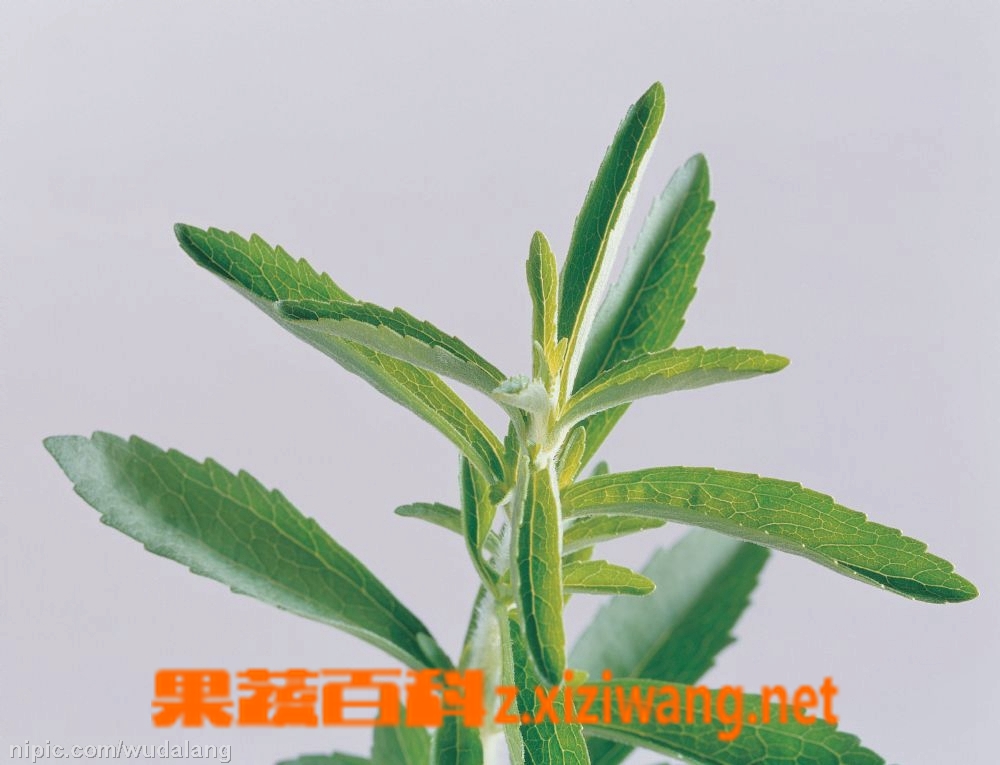
The plant is an evergreen tree, reaching up to 15 meters in height. The bark is ochre-black or grayish-black, rough, and shallowly fissured. The branches are thick, smooth, and angular with new shoots. The leaves are leathery and thick, spirally alternate, oblong or ovate-oblong, with an acute or slightly rounded apex, a blunt base, and sparsely toothed margins. The upper surface is glossy, and the midrib is prominent on the lower surface. The inflorescence is a cyme, mostly densely clustered in the upper leaf axils; male inflorescences have 1-3 flowers, while female inflorescences have only one flower; bracts are ovate and numerous; the calyx is 4-lobed, with ovate lobes that are ciliate and yellowish-green; petals are 4, elliptic, fused at the base, and three times the length of the calyx; male flowers have 4 stamens, longer than the petals, with straight filaments and ovate anthers, and a rudimentary ovary in the center; in bisexual flowers, the stamens are as long as the petals, and the ovary is globose-ovoid. The drupe is globose, red when ripe, and has a remnant style; it contains 4 3-angled pyrenes. Flowering period is from April to May, and fruiting period is in October.
It grows on hillsides, in bamboo forests, and in thickets. It is distributed in the provinces along the lower reaches of the Yangtze River and in Fujian.
Harvesting and processing: Can be done year-round; remove impurities and dry.
The leaves are ovate-oblong, leathery, not wrinkled, and some are slightly curled longitudinally. The upper surface is yellowish-green or grayish-green and glossy, while the lower surface is yellowish-green. The taste is slightly bitter.
Its chemical components include ursolic acid, styrin, lupeol, and taraxerol.
Its nature is extremely cold, and its taste is bitter and sweet.
Its functions and indications include dispelling wind-heat, clearing the head and eyes, and relieving thirst. It is used for headache, toothache, red eyes, fever with thirst, and dysentery.
Original article: Fruit and Vegetable Encyclopedia https://z.xiziwang.net