Potatoes, also known as Irish potatoes or yams, are highly nutritious, rich in protein and starch , and have a long history of cultivation in China. So, how can potatoes be grown for high yields? Let's find out below.
1. Soil selection
Potatoes have strict requirements for soil, preferring soil with high porosity and good aeration. Therefore, potatoes should be planted in soil with deep soil layers, loose texture, good drainage and aeration, and rich organic matter content. This is conducive to the full expansion of tubers and greatly contributes to high potato yield.
2. Seed dressing
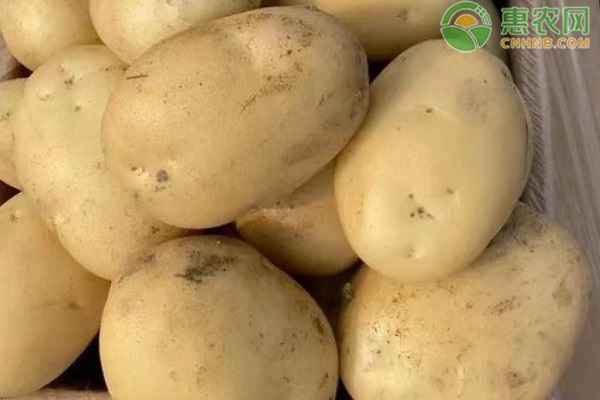
When cutting potatoes into chunks, each chunk should weigh 30-50 grams, and each chunk should have 1-2 healthy buds. The cut potato chunks can be mixed with wood ash before planting to prevent them from rotting and to promote early germination.
3. Cultivation and hilling
The first hilling can be done 10 days after the seedling stage; the second hilling can be done during the bud stage; and the third hilling can be done during the full bloom stage. The hilling should follow the principle of "deep first, shallow second, and rough third," and each hilling should be shallower than the last.
4. Scientific fertilization
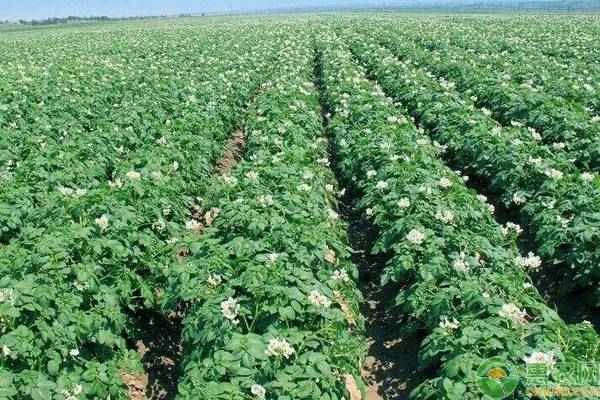
Potatoes are a fertilizer-loving crop. During land preparation, apply 1000 kg of fully decomposed pig manure and 40 kg of compound fertilizer per acre as base fertilizer. In addition to sufficient base fertilizer, topdressing is also necessary. After the plants bud, the underground tubers begin to swell; at this time, apply 20 kg of potassium sulfate per acre. Besides soil fertilization, foliar fertilization is also required. Foliar fertilization should be carried out 20 days after budding, spraying with a 0.3% concentration of potassium dihydrogen phosphate per acre, once every 7 days, for 2-3 consecutive applications.
5. Picking flowers and buds
After the potato plant flowers, timely removal of flowers and buds can effectively prevent the berries and tubers from competing for nutrients, which can increase yield by more than 20%.